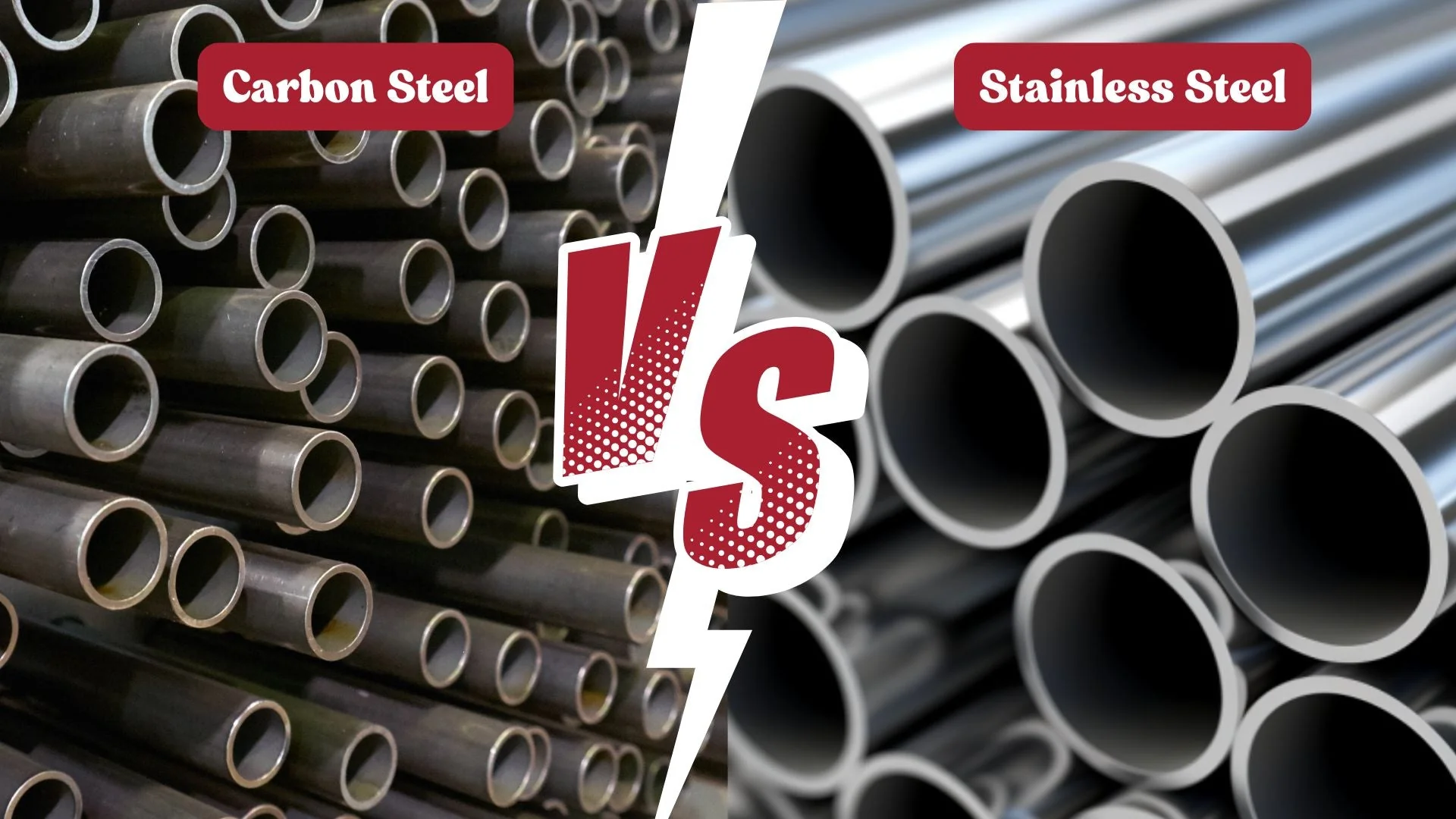
People often compare steel vs stainless steel as if they are completely separate materials, but that is where confusion usually starts. Stainless steel and carbon steel are both types of steel. The word “steel” by itself is often used more loosely in everyday buying language to mean standard steel or mild steel, especially in fabrication, construction, and general industrial work.
That distinction matters because buyers are not choosing between three unrelated metals. They are usually sorting through three material categories that overlap but serve different purposes. A fabricator reviewing quotes, specs, or replacement parts may compare common steel grades, stainless options, and carbon steel side by side before making a decision. In that process, a qualified carbon steel plate supplier is often part of the early conversation when strength, formability, and availability matter.
The real question is not which material is “best” in the abstract. It is the one that fits the service environment, the fabrication method, the maintenance expectations, and the budget. Once that is clear, the difference between steel and stainless steel becomes much easier to understand in practical terms.
Steel Is the Umbrella Term, While Stainless Steel and Carbon Steel Are Specific Types
Steel is an iron-based alloy. From there, chemistry changes the category. Carbon steel is steel where carbon is the main alloying element affecting performance. Stainless steel is steel that contains enough chromium to form a protective surface layer that helps resist corrosion. In other words, both belong under the steel umbrella, but they behave differently because they are built differently.
This matters in real buying situations because people often use shorthand. A purchaser may ask for “steel plate” when they really mean a general-purpose carbon steel grade. Another may ask for stainless steel because the part will be exposed to washdowns, chemicals, or outdoor moisture. A useful steel material comparison starts by recognizing that the category name alone does not tell the whole story.
The Main Difference Starts With Composition
If someone asks, “What is carbon steel?”, the plain answer is that it is steel made primarily from iron and carbon, with relatively limited amounts of other alloying elements. It is widely used because it offers strength, versatility, and cost efficiency across structural, industrial, and wear-related applications.
If someone asks, “What is stainless steel?”, the key point is chromium. Stainless steel contains at least 10.5% chromium, which helps form a passive surface layer that improves rust resistance. Other alloying elements, such as nickel or molybdenum in some grades, can further change performance.
Chemical makeup drives what buyers notice later on the shop floor or in service. It affects corrosion resistance, surface appearance, hardness, toughness, weld behavior, and long-term maintenance. That is why carbon steel vs stainless steel is not just a naming difference. It is a performance difference tied directly to composition.
| Material category | Main composition trait | What it usually offers |
| Standard or mild steel | Iron with relatively low carbon | General fabrication, structural use, lower cost |
| Carbon steel | Iron with higher carbon emphasis | Strength, wear resistance, and broad industrial use |
| Stainless steel | Iron with at least 10.5% chromium | Corrosion resistance, clean appearance, sanitary use |
Corrosion Resistance, Strength, and Durability Are Where Buyers Notice the Difference
In real service conditions, stainless steel is usually chosen where moisture, chemicals, hygiene, or rust prevention are major concerns. Food processing equipment, washdown areas, architectural applications, and marine-adjacent environments are common examples. When corrosion exposure is persistent, the benefits of stainless steel become obvious over time.
Carbon steel often makes more sense in heavy-duty industrial settings where strength, toughness, and cost control are major priorities. That includes structural parts, machinery components, pressure-related applications, and many fabricated products made from carbon steel plate. It can perform extremely well, but it usually needs coatings, painting, or maintenance if corrosion is part of the environment.
No material is automatically better in every case. Stainless steel may outperform carbon steel in wet or sanitary conditions, but carbon steel may be the better fit for dry-service structural work or applications where impact resistance and lower material cost matter more. Good selection depends on exposure, upkeep, and actual service demands.
Where stainless steel often makes more sense
- Wet or humid environments
- Food, beverage, and sanitary applications
- Locations exposed to cleaning chemicals
- Projects where visible rust is unacceptable
Where carbon steel often makes more sense
- Structural and industrial fabrication
- Heavy equipment and general plant use
- Applications where coatings can manage corrosion risk
- Jobs with tighter material budgets
Cost, Fabrication, and End Use Often Decide the Final Choice
Chemistry matters, but so do fabrication realities. Buyers weigh weldability, machining, finish, forming requirements, and surface condition, along with performance. Stainless steel can cost more and may require more attention during fabrication and finishing. Carbon steel is often easier to source for heavy industrial work and is commonly selected when function matters more than appearance or corrosion resistance.
That is also why the stainless steel vs carbon steel cost remains a common question. Stainless steel usually comes at a higher upfront material price, but in corrosive environments, it may reduce maintenance, coating needs, and replacement frequency. Carbon steel often wins on initial cost, yet lifecycle cost can shift if the service environment is aggressive.
When comparing availability, sizes, and forms, buyers often review a product page alongside technical requirements. For projects supported by Premium Plate, material selection often depends less on initial price and more on corrosion exposure, the intended service environment, fabrication requirements, and long-term maintenance expectations.
| Decision factor | Stainless steel | Carbon steel |
| Upfront cost | Usually higher | Usually lower |
| Corrosion resistance | Strong | Limited without protection |
| Maintenance needs | Often lower in corrosive service | Often higher in wet or outdoor service |
| Common use case | Sanitary or corrosion-sensitive work | Structural and general industrial work |
How to Choose the Right Material for the Job
A practical way to decide is to start with the environment. Will the material face standing water, chemicals, outdoor exposure, abrasion, repeated cleaning, or welded fabrication? Will appearance matter? Will coatings be practical to maintain? These questions usually narrow the choice quickly.
For corrosion-sensitive or sanitary settings, stainless steel is often the better answer. For many structural and industrial jobs, carbon steel remains the standard because it balances strength, availability, and cost. General steel options still have a place where fabrication needs are straightforward, and the service environment is not especially corrosive.
A smart material decision is rarely about labels alone. The better approach is to match the material to the real working conditions, not just the purchase price. That is what turns a basic steel material comparison into a decision that holds up in service.
Write and Win: Participate in Creative writing Contest & International Essay Contest and win fabulous prizes.
About the Author