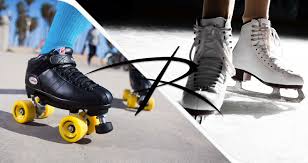
The world of skating continues to evolve as athletes demand more precision, comfort, and responsiveness from their equipment. In this environment, Riedell Skates has become closely associated with high-quality craftsmanship designed to support both artistic expression and competitive performance. Skaters today look for gear that balances control with comfort, allowing them to train longer while maintaining stability and confidence on ice or wheels.
From early learning stages to advanced competition levels, the right pair of skates can significantly influence progress, technique, and overall enjoyment of the sport. Modern skating is no longer just about movement; it is about precision engineering, ergonomic design, and materials that respond to the athlete’s needs in real time. As the sport grows globally, athletes increasingly prioritize equipment that enhances agility, reduces fatigue, and supports long-term development. This focus on performance-driven design is what continues to shape expectations across the skating community.
What Makes Premium Skating Equipment Stand Out?
Premium skating equipment is defined by its ability to deliver consistent performance under demanding conditions. Skaters require stability during jumps, smooth transitions during spins, and reliable support during long practice sessions. High-quality skates are engineered with attention to balance, blade alignment, boot structure, and energy transfer. Every component plays a role in ensuring that movement feels natural and controlled. Another key factor is customization, as no two skaters have identical foot shapes or skating styles. The best designs prioritize adaptability, allowing skaters to achieve a secure fit that enhances confidence on the ice or rink. Materials also matter, as lightweight yet durable constructions help reduce strain while maintaining strength. Ultimately, premium skating equipment is not just about appearance; it is about delivering a seamless connection between athlete and surface.
Why Do Skaters Prioritize Comfort and Fit?
Comfort and fit are essential because skating places continuous pressure on the feet and ankles. A poorly fitted skate can lead to discomfort, reduced control, and even injury over time. Properly designed boots ensure that the foot remains stable without restricting natural movement. This balance allows skaters to maintain proper posture and technique during complex routines. Padding, internal lining, and structured support systems all contribute to long-term comfort. Skaters who train for extended periods especially benefit from equipment that minimizes pressure points and reduces fatigue. Additionally, a secure fit improves responsiveness, meaning the skater can react more quickly to changes in direction or speed. Comfort is not just about feeling good; it directly impacts performance quality and progression.
How Does Design Impact Performance on Ice and Wheels?
Design plays a crucial role in determining how effectively a skate performs across different surfaces. The shape of the boot, the alignment of the blade or wheel frame, and the distribution of weight all influence movement efficiency. A well-designed skate ensures smoother transitions, better edge control, and improved stability during high-speed maneuvers. Aerodynamic shaping can also reduce resistance, allowing skaters to glide more effortlessly. Structural reinforcement in key areas supports jumps and landings, reducing the risk of imbalance. For roller skating, wheel placement and frame balance are especially important for maintaining control during turns and tricks. In both ice and roller disciplines, thoughtful design translates directly into enhanced performance and reduced physical strain.
What Features Support Competitive Training?
Competitive training demands equipment that can withstand repeated stress while maintaining precision. Key features include reinforced ankle support, responsive cushioning, and durable construction materials. These elements help skaters execute advanced techniques such as spins, jumps, and fast directional changes with confidence. Blade sharpness and alignment also play a significant role in competitive performance, ensuring smooth edge control and consistent movement patterns. Ventilation systems inside the boot help regulate temperature, preventing discomfort during intense practice sessions. Additionally, shock-absorbing components reduce impact stress on joints, which is critical for athletes who train daily. Together, these features create a reliable foundation for continuous improvement and competitive readiness.
How Important Is Durability in Skating Gear?
Durability is one of the most important factors in skating equipment because of the constant pressure and friction involved in the sport. Skates must withstand repeated use on hard surfaces while maintaining structural integrity. High-quality construction materials ensure that the boot retains its shape and support over time. Strong stitching, reinforced soles, and resilient outer layers all contribute to longer product life. Durability also affects safety, as worn-out equipment can compromise stability and increase the risk of injury. Skaters who train regularly depend on gear that performs consistently without frequent replacement. Investing in durable equipment ultimately supports both performance and long-term cost efficiency.
Why Do Beginners and Professionals Choose Advanced Skates?
Both beginners and professionals benefit from advanced skating equipment, though their needs may differ. Beginners require stability and support to build confidence and learn foundational techniques safely. Advanced skates help them develop proper posture and balance from the beginning, reducing the need for corrective adjustments later. Professionals, on the other hand, need precision and responsiveness to execute complex routines at high speed. Advanced designs offer enhanced control, allowing experienced skaters to push their limits in competition. The shared advantage is improved learning efficiency, as better equipment reduces technical barriers. Regardless of skill level, high-performance skates provide a more effective and enjoyable skating experience.
What Role Does Technology Play in Modern Skate Design?
Technology has transformed skating equipment by introducing advanced materials, ergonomic modeling, and precision engineering techniques. Computer-aided design allows manufacturers to create structures that optimize weight distribution and support. Modern materials offer improved flexibility while maintaining strength, making skates lighter and more responsive. Heat-moldable components allow for personalized fitting, improving comfort and performance. Innovations in blade and wheel engineering also enhance grip, stability, and glide efficiency. These technological advancements contribute to a more refined skating experience, enabling athletes to focus on skill development rather than equipment limitations. As technology continues to evolve, skating gear becomes increasingly tailored to individual performance needs.
How to Maintain Skates for Long-Term Performance?
Proper maintenance is essential for preserving skate performance and extending lifespan. After each use, skates should be cleaned and dried to prevent moisture buildup, which can damage materials over time. Blades or wheels should be inspected regularly for wear and aligned properly to ensure consistent movement. Storage in a dry, cool environment helps maintain structural integrity. Protective covers can also prevent unnecessary damage during transport. Periodic professional servicing ensures that adjustments are made before performance is affected. Regular care not only improves durability but also ensures safety and consistency during use.
What Should You Consider Before Choosing Skates?
Choosing the right skates requires careful consideration of skill level, intended use, and fit preferences. Skaters should evaluate support levels based on their training intensity and performance goals. Comfort should always be prioritized, as improper fit can hinder progress and cause discomfort. Material quality and construction design also influence long-term satisfaction. It is important to consider whether the skates will be used for recreational skating, practice, or competition, as each purpose requires different features. Balance between flexibility and support is key to achieving optimal performance. Making an informed choice ensures a better skating experience and steady improvement over time.
Conclusion
Skating continues to grow as a sport that blends artistry, athleticism, and technical precision. High-quality equipment plays a central role in shaping a skater’s journey, from learning basic skills to performing advanced routines. With careful attention to design, comfort, durability, and innovation, modern skates empower athletes to reach higher levels of performance. As skaters continue to push boundaries, the importance of reliable and well-engineered equipment remains at the heart of their success.
Write and Win: Participate in Creative writing Contest & International Essay Contest and win fabulous prizes.
About the Author