Have you noticed how nature changes with every season? The trees that are full of green leaves in spring look different in autumn. Birds change their patterns, flowers bloom at different times, and many animals adapt to the changing weather. These changes may seem ordinary but they show how closely all living things are connected to the seasons. This is what makes seasonal biodiversity so fascinating. It reminds us that nature is constantly changing and every living organism has its own role in maintaining the balance of our planet. Seasonal Biodiversity refers to the changes in the living organisms such as fungi, plants, animals, etc. And their activities during different times of the year. These changes play a very important role on the earth. The changes that take place in living organisms during seasonal biodiversity are reproduction, migration, growth and many more natural life processes which can help them adapt to the environment.
Temperature, sunlight and rainfall can influence these changes in different ways. When the weather is hot or cold it causes how the living things react. Some living species can only live in a particular temperature range so they may leave the area, hibernate or dry off, while other species who can adapt to the temperature show up. The amount of sunlight changes according to the seasons. As the days get shorter less sunlight approaches us. As sunlight gives organisms the energy to grow and reproduce if there will be less sunlight the creatures and organisms will stop growing or will remain inactive till the light comes back. Water is necessary for all life and Rainfall is the water supply of an area and helps organisms survive. If there will be more rainfall, there will be a boom in life as it has enough moisture for every process, such as to thrive and reproduce. In dry seasons, rainfall will decrease causing droughts in which animals can’t survive or do life processes. Phenology is the study of periodic seasonal events in plants and animals and also studies how these changes are affected by climate and habitat factors.
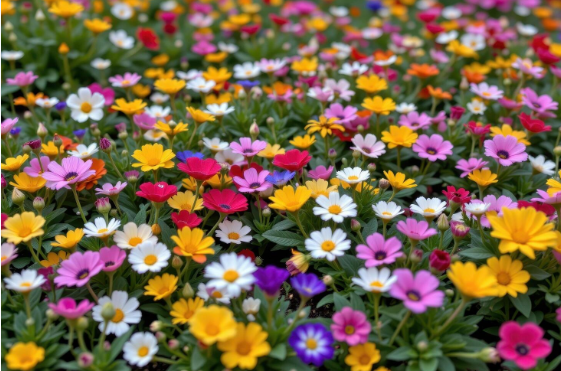
Season Biodiversity is important as organisms depend on one another keeping balance in the ecosystems. Flowers bloom in different seasons and pollinators such as bees and butterflies visit these flowers to collect pollen for pollination which helps in the process of reproduction for flowers. If the flowering time changes and the pollinators are not active by the time it can cause huge problems in reproduction of flowers and plants. This is how flowers and pollinators depend on each other. Birds and animals help in seed dispersal which helps in the generation of forests. Decomposers like fungi and bacteria help break down the dead and organic matter by which the nutrients return to the soil helping plants grow stronger and quicker. Different seasons provide different types of food and animals adjust their breeding and migrating pattern based on the availability of food. When seasonal patterns are disrupted animals may have a hard time finding food.
An interesting thing about seasonal biodiversity is that nature has many ways of adapting to changes in the environment. In India the timing of fruiting and seed dispersal in many plants is connected to the monsoon season as arrival of rain provides moisture needed for seeds to grow. Another example can be found on forest floors where fallen leaves become a source of food and shelter for insects and other small organisms. Snow can also support tiny organisms such as algae that sometimes give it shades of red or green. This shows that biodiversity exists in many places and that every season plays a role in supporting life.
Monsoons show seasonal biodiversity as rainfall encourages seed germination and growth. Winter also shows seasonal diversity as some birds migrate while other animals reduce and store their energy and hibernate to cope with the cold conditions. Summer has the most sunlight which can help many organisms such as plants with the process of photosynthesis and it also helps other animals in life processes such as growth and reproduction. It also gives animals more energy to survive.
Biodiversity also has many threats which can destroy the whole ecosystem if not taken care of. Climate changes the temperature and rainfall patterns, habitat destruction reduces food sources and breeding grounds, pollution can make the air polluted and can harm wildlife and changes in timings may disrupt the processes of wildlife and the relationships between different species. These problems and threats can ruin the whole entire ecosystem and can cause many living organisms to die as they depend on temperature, rainfall, sunlight, fresh air, etc. To survive. It also destroys the soil quality which ruins the growth of many new germinating plants. If the weather conditions get even tougher animals wont have a place to live. Reproduction will also get affected if pollinators and animals who help in the process of seed dispersal and pollination wont be active. Animals wont be able to reproduce either as they will have less energy and will die if they wont be bale to adapt to the weather conditions at that time.
However there are many solutions to reduce these threats. We can protect forests, grasslands and river as they provide food and shelter for many species. This helps the plants and animals continue their seasonal activities without any disturbance. We can plant native trees and flowers as they provide food and shelter to many birds, bees, butterflies, etc. As these plants have adapted to local climate, they can support the needs of seasonal species. We can reuduce pollution and pesticide use as reducing plastic waste, preventing water pollution and limiting pesticide use can protect organisms which play an important role in ecosystems. We can also limit the chemical use in gardens to protect pollinators. By planting native vegetation, restoring wetlands and allowing damaged forests to recover we can help bring back habitats and improve biodiversity. We should conserve water and protect rivers and any water bodies to help wildlife survive through droughts and for organisms that depend on the water at a particular time of the year.
We should also encourage environmental awareness by spreading information in our schools and communities through posters and signs so everyone could pitch in and know about the seasonal changes that happen in life. Protecting seasonal biodiversity is not only the responsibility of scientists or governments but individuals and communities also have to pitch in. By respecting nature and making reasonable choices, we can help protect the ecosystems and life going through seasonal changes. Protecting seasonal biodiversity requires more than simply planting trees but it also involves understanding the needs of different species throughout the year. Khichan a village in Rajasthan that is famous for the demoiselle cranes which visit during their seasonal migration has shown efforts of residents to feed and protect these birds. This also shows how communities can contribute to wildlife conservation. I feel like it is important to know about these seasonal changes and which organisms go through which changes so that we can help them adapt and thrive such as the residents did in Khichan. We can also help scientists record when the birds and other species migrate and arrive. This is called citizen science. Mangroves also are the habitats of many fish and shell fish. They also protect coastlines from storms and erosion. Hence we should protect these mangroves too.
Seasonal Diversity reminds us that every organism is connected to nature’s changes and each season plays an important role in the balancing of life on earth. Relationships such as pollinators such as bees and butterflies, decomposers such as bacteria and fungi, birds and animals, etc. help in functioning ecosystems and help in maintaining the balance of life. The threats such as climate change and human activities can disturb the life processes and wont help animals adapt. But scientists, governments, communities and us citizens can help wildlife and living organisms through many ways such as protecting habitats like rivers, wetlands, mangroves, forests, etc. so wildlife can adapt without getting disturbed. We should also reduce waste and pollution so that the air and water remain fresh and pure which helps animals and plants continue their growth into strong living species.
The best thing we can help scientists and governments do it to raise awareness in our schools, communities, academies, etc and we should also record and observe the migration periods and changes so that we know which organism face which change in a particular type of season. We should put as many efforts as we can to protect the ecosystem. Protecting ecosystems means protecting the future of the life on earth so that in the future, the new generations can also help and protect seasonal biodiversity in order to make the earth a safe place for all the animals and plants to adapt and live. Hence natural seasonal diversity is something special in which we should put as many efforts as we can to protect life
REFERENCES
- Aravind, N. A., Ganeshaiah, K. N., & Shaanker, R. U. (2013). “Indian Monsoons Shape Dispersal Phenology of Plants.” Biology Letters, 9(6), 20130675.
- Mali, S., Soni, B., Bora, N., & Narwade, S. (2023). “High Congregation of Demoiselle Cranes at a Wintering Site in Khichan, Rajasthan, India.” Journal of the Bombay Natural History Society, 120.
- Intergovernmental Panel on Climate Change (IPCC). (2022). Climate Change 2022: Impacts, Adaptation and Vulnerability. Convention on Wetlands. India: Country Profile.United Nations Environment Programme (UNEP). Mangrove Forests.
- Davey, M. P., et al. (2019). “Snow Algae Communities in Antarctica: Metabolic and Taxonomic Composition.” New Phytologist, 222(3), 1242–1255.
Author: Avani Gupta
About the Author