Wetland Adventures: Who Shows Up When the Water Comes?
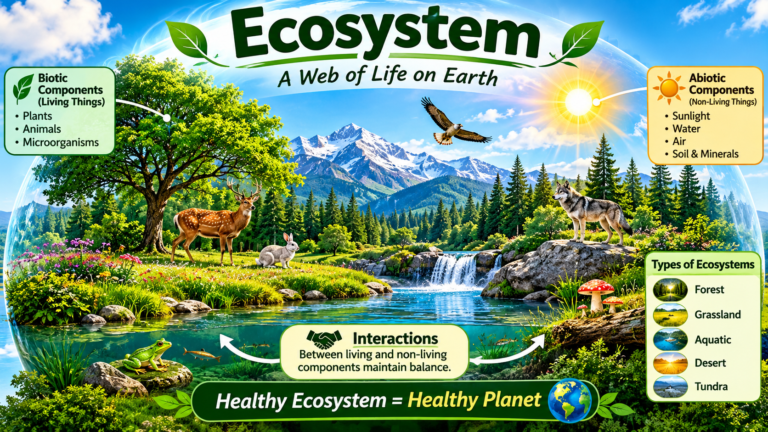
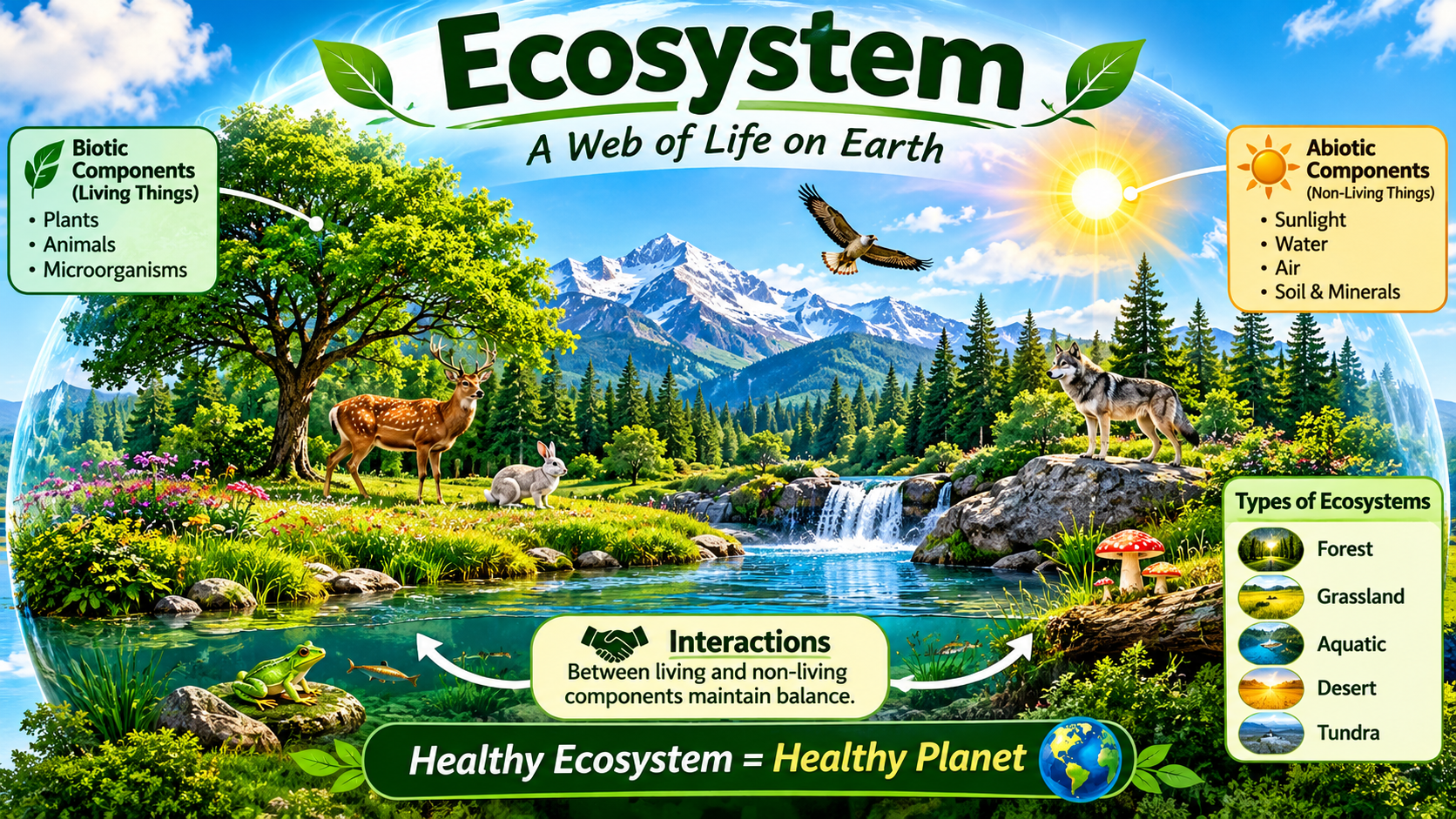
Wetlands occupy the fascinating boundary between water and land. Marshes, swamps, floodplains, mangroves, and seasonal ponds differ greatly, yet they share an importent feature: water shapes the living community. Seasonal biodiversity in a wetland depends not only on temperature and daylight but also on water levels, tides, rainfall, and the timing of floods. A wetland that looks empty in the dry season may become a nursery full of animals after heavy rain. Another may attract enormous numbers of migrating birds for only a few weeks. These changes can make wetlands seem unpredictable, but species have evolved remarkable ways of responding to them. To appreciate these ecosystems, we need to follow the water and discover the stories of their inhabitants throughout the year.
In some tropical floodplains, rainfall can transform a broad landscape. During dry months, water may remain in rivers, channels, and isolated pools. When the wet season arrives, water spreads into nearby grasslands and forests, connecting habitats that were previously separate. Fish move into flooded areas to feed and breed, and nutrients travel with the water. Plants that tolerate flooding provide shelter for young fish and invertebrates. Later, as water retreats, animales may concentrate in shrinking pools, creating feeding opportunities for birds and other predators. This annual pulse is not merely an inconvenience; it drives much of the ecosystem’s productivity. The exact timing and size of the flood vary, and species relies on both the predictable pattern and their ability to respond when conditions change.
The Brazilian Pantanal provides a dramatic example of how flooding and drought create a changing mosaic of habitats. Water levels influence where fish, caimans, capybaras, wading birds, and many other organisms can find resources. It would be misleading to imagine that every part of the Pantanal floods at exactly the same time. Rainfall, local elevation, and river flow all contribute to a varied landscape. Some places remain wet while others becomes dry, producing a range of ecological niches. During certain periods, birds gather near remaining water where fish are easier to catch. At other times, flooded vegetation offers feeding and breeding opportunities. The most interesting feature is not one famous animal but the connections among water, plants, insects, fish, reptiles, mammals, and birds.
Migratory birds reveal that wetland seasons are connected across continents. Many shorebirds travel long distances between breeding and nonbreeding grounds. They need places to rest and refuel during migration, and wetlands can provide worms, mollusks, crustaceans, and insects. Some species feed by probing soft mud with specialized bills. Others search shallow water for small fish or aquatic insects. A bird’s appearance at a particular estuary may last only a short time, but that stop can be essential for the success of its journey. If one feeding site is lost, the consequences may reach breeding populations thousands of kilometers away. Migratory bird conservation therefore demand cooperation across national borders, becuase the same animal depends on several countries in one year.
sesonal ponds contain another ecological surprise. Certain frogs reproduce rapidly when rain fills temporary pools. Their eggs develop into tadpoles that must metamorphose before the water disappears. Some aquatic invertebrates survive dry periods as resistant eggs buried in sediment. When rain returns, tiny organisms can hatch and create food for other animals. A pond that appears lifeless for months may hold a hidden biological archive in its dry mud. This does not mean that all pond species survive drying; some require water year-round. Instead, different habitats support different communities. A landscape with both permanent and temporary wetlands can sustain more biodiversity than one where every pool have been altered to behave in the same way.
Wetlands also depend on organisms that people rarely notice. Microscopic algae and bacteria support food webs and influence nutrient cycles. Aquatic plants create surfaces where insects, snails, and other creatures feed or shelter. Dragonflies and damselflies begin life as underwater predators, then emerge as flying adults. Watching a dragonfly climb out of the water and leave its old skin behind is like witnessing a tiny science-fiction transformation. The adult may live in the air, but its success depended on conditions underwater weeks or months earlier. Water quality, vegetation, and the presence of predators can affect its development. Many apparently separate sesonal changes are actually linked stages of one life cycle. This relationship is one reason that wetland biodiversity cannot be judged only by the animals visible above the surface.
When water levels decline, a wetland does not simply stop working. Mudflats become exposed, plants produce seeds, and some organisms enter dormancy. Wading birds may benefit from shallow water because prey becomes more accessible. Certain mammals use drier ground to travel between feeding areas. Fires can occur in some sesonal wetlands, especially during prolonged drought, and their ecological effects depend on intensity, frequency, and local conditions. However, unusually severe fires can damage habitats and kill wildlife. A balanced description must distinguish natural seasonal variability from extreme changes intensified by human actions. The same wetland can be resilient to regular flooding and still be vulnerable to pollution, drainage, or exceptionally severe droughts. Its history, size, and connections with surrounding areas all matter.
Climate change complicates these rhythms. Altered rainfall can shift the timing of floods, and higher temperatures may increase evaporation. Sea-level rise can affect coastal wetlands, particularly when buildings or roads prevent habitats from moving inland. Storms and droughts may interact with other pressures, making recovery difficult. Scientists monitor birds, vegetation, water depth, salinity, and many other indicators to understand how wetlands are changing. A single dry year does not automatically prove a long-term trend, which is why repeated observations are crucial. Local communities often have valuable knowledge about sesonal patterns and historical water levels. Combining scientific measurements with careful local observation can give a more complete picture of ecological change than either source alone.
The lesson of wetlands is that biodiversity travels through time as well as space. Many depend on it changing in ways that match their lifecycles. Conserving sesonal biodiversity therefore means protecting movement, timing, water quality, and the variety of habitats created by natural fluctuations. The most beautiful wetland is not necessarily the one with the most water or the most birds on a single afternoon. It is one whose ecological relationships can continue across wet and dry periods, allowing the next generation of living things to emerge when conditions are right.
By: FERNANDA PIRES BOTTI
=======================================================================================
The Forest Has a Secret Schedule!
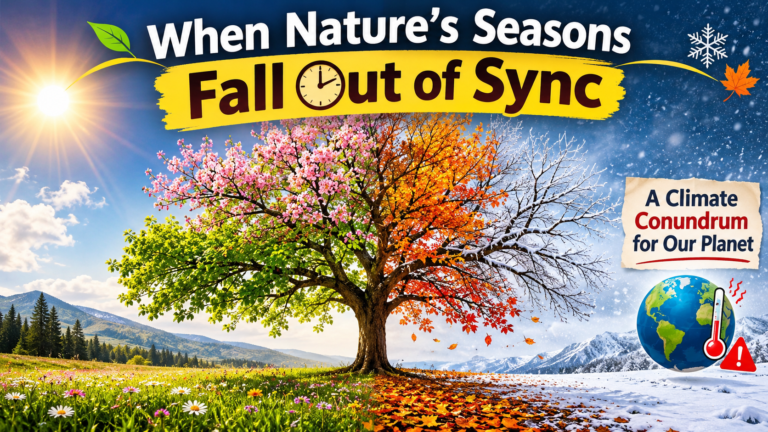
A forest may look like a collection of trees, but it is actually a busy neighborhood where thousands of lives follow diffrent schedules. Seasonal biodiversity is the variety of living things, and of their relationships, as conditions change throughout the year. In a temperate forest, winter, spring, summer, and autumn bring different combinations of light, temperature, rain, and available food. These changes do not simply switch nature on and off. Instead, they create opportunities for some species while challenging others. A forest in January can be just as interesting as a forest in June, even if the activity is harder to notice. To understand this living calendar, we must look both above the ground and beneath it. We also need to remember that seasons are not identical in every country, and that the timing of events can change from one year to another.
In many temperate regions, spring begins with a race for sunlight. Before tall deciduous trees grow their new leaves, the forest floor receives an unusually generous amount of light. Small flowering plants, often called spring ephemerals, take advantage of this short window. Bluebells, trilliums, and wood anemones may bloom and gather energy before the canopy becomes shady. Some of these flowers is visible for only a few weeks, although their underground parts surive much longer. This is a wonderful example of how seasonal timing reduces competition. If every plant waited until summer, many low-growing species would struggle to collect enough sunlight. Spring plants are not just decorations, either. They supply nectar and pollen to early insects, helping to start a complicated chain of ecological interactions.
The first warm days also awaken animals whose bodies or behavior slowed during winter. Frogs and salamanders travel toward ponds and temporary pools to reproduce. Some amphibians depend on pools that dry up later in the year. That might sound like a disadvantage, but it can protect eggs and larvae from fish predators that cannot survive in those temporary habitats. Birds returns from migration, while resident birds begin to defend territories and sing more frequently. Their songs may sound like a cheerful concert, yet they also communicate practical information about mates, rivals, and boundaries. Spring is full of urgency because reproduction must be timed to match food supplies. A nest full of hungry chicks needs insects, not only beatiful weather. If peak insect activity arrives before the chicks hatch, families may face a difficult food shortage.
Summer changes the forest’s architecture. A dense canopy absorbs much of the light, making the understory cooler and often darker. Leaves perform photosynthesis, converting light energy into chemical energy that supports food webs. Caterpillars feed on leaves, birds eat caterpillars, and predators hunt birds or small mammals. But this simple sequence hides an enormous amount of diversity. Different caterpillar species feed on diferent trees, and many insects are active at particular hours. Pollinators may prefer certain flower shapes, colors, or scents. Meanwhile, fungi and microscopic organisms live on roots, bark, soil, and dead wood. A fallen log might look lifeless to a visitor, but it can be a apartment building for beetles, millipedes, mosses, and decomposers. Without the less noticeable residents, the forest could not recycle nutriants efficiently.
Autumn brings another transformation. As daylight decreases and temperatures fall, many deciduous trees break down green chlorophyll, making yellow and orange pigments easier to see. Red pigments can also form in some leaves. The famous autumn display is therefore connected to plant chemistry, not simply to a forest putting on a colorful costume. Trees withdraw some useful nutrients from leaves before shedding them. Later, fallen leaves form a blanket on the soil. Earthworms, fungi, bacteria, and countless small invertebrates work on this material, gradually releasing nutrients. Without decomposition, dead plant matter would accumulate and nutrients would remain trapped. The forest floor is an active workshop, especially when moisture and temprature are suitable. Many people walks through autumn leaves without realizing that they are stepping across the beginning of next year’s growth.
Acorns, nuts, berries, and seeds may become abundant in autumn, although production varies from year to year. Squirrels and some birds hide food for colder months. This behavior, called caching, helps animals surive when fresh resources are scarce. Not every hidden seed is recovered. Some forgotten seeds germinate and eventually become young trees. In this way, an animal preparing for winter may also help regenerate a forest. Certain oaks produce exceptionally large seed crops in some years, a phenomenon known as masting. Researchers investigate how synchronized seed production affects animals and tree reproduction. The relationships are complex: abundant acorns can support more rodents, which may influence predators and other parts of the food web. A single seasonal event can ripple through many species.
Winter looks quiet, but silence should not be confused with emptiness. Some animales migrate; others remain and change their behavior. Certain mammals build nests or shelters, birds fluff their feathers for insulation, and insects spend the season as eggs, larvae, pupae, or adults. Hibernation and torpor reduce energy use in some species, although they are not exactly the same process. Evergreen plants continue to hold leaves that can photosynthesize under suitable conditions. Under snow, temperatures can be more stable than those in the exposed air. This insulated space allows small organisms to avoid some extreme conditions. Underneath a snowy forest, life continue in ways that a casual visitor rarely sees. Even leaf litter can provide a valuable refuge for overwintering insects and amphibians.
The most importent lesson is that species do not experience the seasons separately. They respond to each other. Scientists use the word phenology to describe the timing of recurring biological events, such as flowering, migration, leaf emergence, and breeding. A plant might flower when the soil becomes warm, while its pollinator responds mainly to daylight. In a stable pattern, their schedules may overlap. However, unusual temperatures can shift one event more than another. This phenological mismatch can reduce opportunities for pollination or feeding. Climate change is making some seasonal events occur earlier, but not every species adjusts at the same speed. There is no single clock that control the entire forest, and this is one reason why predicting ecological changes is challenging.
Imagine returning to that tree at the end of a full year. The calendar of the forest is written by countless living things togather.
By: HELENA MARRECO WEIGERT FERREIRA
==========================================
Ocean Party Time: Tiny Plankton, Giant Whales!
The ocean may seem more constant than the land because its surface does not turn orange in autumn or sprout new leaves in spring. Yet marine biodiversity follows seasonal rhythms that can be as dramatic as those in a forest. Daylight, temperature, winds, currents, ice, and nutrient availability change throughout the year. diffrent regions experience these changes in different ways. At higher latitudes, seasons can strongly affect the growth of microscopic organisms. In tropical seas, rainfall, storms, and regional circulation may be especially important. Some animals move thousands of kilometers to find food or reproduce. Other species remain in one place, surviving changes they cannot escape. To understand marine biodiversity, we need to look from the smallest drifting plankton to the largest migrating whales.
Phytoplankton are microscopic organisms that use light to produce organic matter through photosynthesis. Although tiny, they form the base of many ocean food webs and contribute substantially to global oxygen production. In some temperate and high-latitude waters, a strong spring bloom occurs when light increases and conditions allow phytoplankton to grow rapidly. Nutrients accumulated from mixing can help fuel this burst of productivity. The details varies from one region to another, and blooms are influenced by grazing, water-column stability, and other factors. A satellite image may reveal large patches of ocean color associated with phytoplankton, although color alone does not identify every species. This hidden sesonal event can influence fish, seabirds, and marine mammals across a very large area.
Zooplankton, including small drifting animals and the larval stages of many marine species, feed on phytoplankton or other tiny organisms. Copepods are especially important in many food webs. When their abundance and life cycles align with phytoplankton blooms, energy can move efficiently from primary producers to fish and larger predators. Some zooplankton undertake daily vertical migrations, rising toward surface waters at night and descending during daylight to reduce predation risk. This enourmous movement happens on a daily schedule, not only a seasonal one. Many living things in the sea follow several overlapping clocks. If warmer conditions shift the timing of plankton blooms, fish larvae may encounter a different amount of food during their most vulnerable stages. Tiny changes in timing can have large effects later.
Seasonal ocean changes also influence fisheries. Many fish species spawn during periods when temprature, currents, or food supply offer better conditions for eggs and larvae. Some fish form temporary spawning aggregations, bringing many individuals together in specific locations. These events may make them easier to catch, which can become a conservation concern when fishing is not carefully managed. Different species mature at different ages and reproduce in different ways, so there is no universal fish calendar. Sustainable fisheries management must consider spawning periods, habitat protection, and the condition of populations. It is tempting to judge the health of the sea by the number of fish caught in one season, but catch sizes can also reflect fishing effort, market demand, and environmental conditions. Reliable conclusions require more evidence.
Coral reefs are often associated with tropical sunshine and colorful fish, but they also have seasonal events. Some reef-building corals release eggs and sperm into the water during synchronized spawning events. In certain species and locations, cues can include temprature, day length, and lunar cycles. The spectacle resembles an underwater snowstorm, except that the floating particles carry the possibility of new coral colonies. Not every coral species spawn on the same night, and reproductive patterns differ among regions. After fertilization, larvae may drift before settling in suitable places. Successful reproduction depends on factors such as water quality, available substrate, and survival of young corals. Protecting a reef means protecting not only the adults that tourists admire but also the conditions required for future generations.
Sea turtles illustrate the remarkable relationship between seasons and migration. Many females return to nesting beaches during particular periods of the year, although timing varies by species and location. They crawl onto land, dig nests, lay eggs, and return to the water. Hatchlings later emerge and move toward the ocean, encountering numerous natural and human-made dangers. Sand temprature influences the sex of hatchlings in sea turtles, making nesting conditions especially significant. Artificial lights near beaches may disorient hatchlings, and coastal development can reduce safe nesting areas. An animal that spends most of its life at sea may depend on a small stretch of beach for reproduction. Marine conservation cannot succeed if it ignore the land habitats that ocean animals also need.
Whales bring another spectacular sesonal story. Some populations migrate between high-latitude feeding areas and lower-latitude breeding or calving regions. Humpback whales, for example, can travel thousands of kilometers, although routes and timing vary among populations. Such journeys require stored energy, navigational ability, and suitable habitats across large distances. A whale’s migration connects plankton-rich waters, open-ocean corridors, and coastal nursery areas. It is important not to assume that every whale follows the same migration pattern. Some marine mammals make shorter movements or respond to local prey distributions. Human impacts, including ship strikes, entanglement in fishing gear, and underwater noise, can affect whales along their routes. Conservation must follow animals beyond national boundaries.
At the poles, sesonal sea ice creates habitat for organisms specially adapted to cold conditions. Ice algae can grow in association with sea ice and contribute to food webs. In some regions, the spring transition toward greater light and melting ice influences the timing of biological productivity. Seals and polar bears depend on sea-ice conditions in different ways, and some seabirds rely on access to prey near ice edges. The Arctic and Antarctic are not identical systems, so they should not be treated as interchangeable. Changes in ice extent or timing can affect feeding, reproduction, and travel. For an organism adapted to ice, a longer warm season is not automatically a improvement. It may remove important habitat or change how food becomes available.
The sea’s calendar is written in currents, light, nutrients, and movement. sesonal biodiversity is not a fixed list of species seen on vacation. It is the changing network of relationships that allows marine ecosystems to function. Protecting those relationships means considering the right habitats at the right times, including places humans seldom visit. The ocean can look calm on the surface while dramatic biological events are unfolding below. Once we understand that, every season becomes another chapter in a enormous, interconnected story.
By: LUISA MARRECO WEIGERT FERREIRA
Write and Win: Participate in Creative writing Contest & International Essay Contest and win fabulous prizes.
About the Author