Indonesia’s industrial sector has been moving fast lately. New factories, expanding production lines, and export demand are climbing year after year. It’s created opportunity, sure. But it’s also exposed a lot of operational weak spots that companies used to overlook. Heating systems are one of them.
For years, many facilities treated industrial heating like background infrastructure. If the machines were running and temperatures looked good enough, nobody really questioned it. Now they are.
Energy costs keep climbing. Production targets are tighter. Sustainability audits are showing up more often. Suddenly, inefficient heating isn’t just a technical issue sitting somewhere in the maintenance department. It’s affecting budgets, timelines, and output quality all at once. And honestly, that’s where things start getting expensive.
Across industries like plastics, food manufacturing, chemicals, pharmaceuticals, and palm oil processing, thermal systems consume a huge amount of energy every single day. Even a small drop in efficiency can slowly drain money over months without operators realizing how much they’re actually losing.
That’s one reason the tubular heater keeps coming up in industrial conversations across Indonesia.
Why Factories Are Paying More Attention to Heating Efficiency
A lot of operational problems start small.
- Maybe temperatures fluctuate slightly during production.
- Maybe heating cycles take longer than they used to.
- Maybe maintenance teams are replacing components more often, but nobody connects the dots immediately. Then the effects pile up.
- Material waste increases. Machines stop more frequently. Product quality becomes inconsistent. Energy usage creeps higher month after month. And suddenly, the facility is spending far more than expected just to maintain normal production output.
It happens more often than companies admit.
What Makes Tubular Heaters Useful in Real Industrial Conditions
One reason industries still rely heavily on the tubular heater is flexibility.
Factories rarely operate under identical conditions. Some deal with moisture-heavy environments. Others run high-temperature applications nonstop for long shifts. Some need compact heating systems squeezed into limited production spaces.
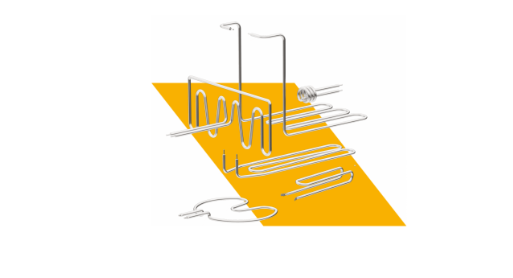
Tubular heaters can be bent, shaped, and adjusted based on what a factory actually needs, which is a big reason so many industries still rely on them during daily operations. One production setup might need compact heating in tight spaces, while another may require continuous high-temperature performance for long working hours without constant maintenance interruptions.
That kind of flexibility helps. For sure.
But honestly, flexibility by itself doesn’t mean much if the system can’t stay reliable when production pressure starts building.
The bigger advantage is reliability.
Stable Heat Distribution Matters More Than People Think
In a factory setup, uneven temperature control can turn into a headache way faster than people think it will. Everything may look normal in the beginning. Machines are running, production is moving, and nobody’s panicking yet. Then small issues start creeping in.
- Maybe one batch comes out slightly off.
- Operators adjust settings manually.
- Energy use goes up a little.
- Production slows down for reasons nobody immediately connects to the heating system, and before long, the entire process starts feeling inconsistent in ways that are frustrating to deal with every single day.
- Then, product quality starts varying between batches. Operators compensate manually. Machines work harder. Energy usage climbs. Maintenance requests increase. Everything becomes reactive.
A tubular heater helps create more even heat distribution across equipment and surfaces, which keeps production more stable over time. For facilities running high-volume manufacturing, that consistency can save both time and money without requiring massive infrastructure changes.
Industries Driving Demand for Better Heating Systems
Some sectors in Indonesia are pushing harder toward efficient heating than others right now.
- Food manufacturing is one of the biggest examples. Production demand keeps climbing, especially for factories handling export orders where deadlines are tight, and quality checks are getting stricter every year. In food processing, stable heating matters during cooking, drying, sterilization, and packaging because even a small temperature issue can throw off the final product and create waste nobody wants to deal with later.
- The plastics industry is feeling pressure, too. Raw material costs aren’t cheap anymore, so manufacturers are paying closer attention to anything causing unnecessary waste during production runs. Heating systems that stay steady without burning extra energy are becoming way more important than they were a few years back.
- Oil and gas operations have a different kind of problem. They can’t really afford unreliable heating systems because storage, flow management, and processing equipment often run nonstop for long hours under rough conditions. One unexpected equipment failure can slow operations down fast, and fixing those interruptions usually costs way more than companies expect in the beginning.
Indonesia has been investing more heavily in cleaner industrial development, and newer manufacturing facilities are paying closer attention to energy consumption from the beginning instead of fixing inefficiencies later. That’s pushing older heating systems out faster than expected.
Sustainability Pressure Is Starting to Change Buying Decisions
A few years ago, sustainability mostly lived inside corporate presentations and annual reports. Now it’s showing up in purchasing decisions, supplier requirements, and factory audits.
- Industrial businesses are getting pressure from multiple directions at once. Regulators want lower emissions. International buyers want cleaner supply chains. Investors want stronger operational efficiency. Energy waste is becoming harder to justify financially, too.
- Heating systems naturally become part of that discussion because they’re tied directly to daily energy usage.
- Facilities running outdated systems often end up wasting far more heat than operators realize. That wasted energy turns into higher operational costs over time. Not instantly, maybe. But steadily.
- A modern tubular heater setup can help reduce unnecessary heat loss while improving process consistency at the same time. That’s why many facilities are revisiting thermal infrastructure instead of treating it like permanent equipment that never needs updating.
It’s less about trends and more about survival now, honestly.
Final Words
Indonesia’s industrial sector isn’t slowing down anytime soon. If anything, competition is getting tougher.
Factories are expected to produce more, waste less, and operate cleaner than before. That’s a difficult balance to maintain using outdated thermal systems that drain energy and create maintenance problems every few months.
That’s why the tubular heater continues showing up across modern industrial applications. It solves practical problems without overcomplicating operations.
For manufacturers looking to upgrade heating performance while keeping long-term operating costs under control, Tempsens is helping industries across Indonesia move toward heating systems that actually fit today’s production realities instead of yesterday’s.
Write and Win: Participate in Creative writing Contest & International Essay Contest and win fabulous prizes.
About the Author