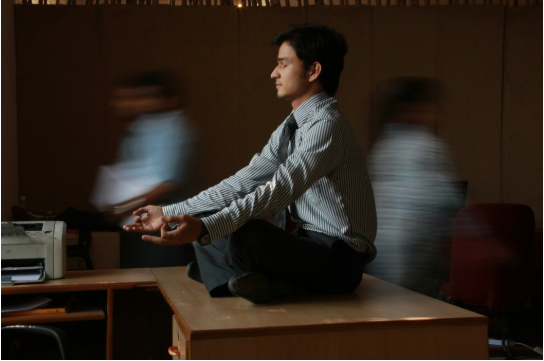
Imagine finally crossing the finish line of a grueling month. You just completed a massive project at work, survived a hectic family gathering, or finally moved into your new apartment. The chaotic rush is officially over, and you finally have a completely free weekend ahead of you. You sit down in a comfortable chair, expecting to feel a wave of profound relief and happiness washing over you. Instead, you are met with an unsettling wave of intense irritability, unexplainable sadness, or sudden physical body aches.
This confusing experience happens to countless people every single day. Your mind can easily process the logical fact that your problems are over, but your physical cells take days or even weeks to receive that same memo. When you live with intense pressure for too long, your body loses its natural bounce. Failing to find peace during quiet moments is one of the most frustrating signs of nervous system dysregulation. It means your internal computer has been running a survival program for so long that it has completely forgotten how to slide back into a state of deep, peaceful rest.
Mind Restlessness: Why Quiet Rooms Trigger Scary Thoughts
When you are actively rushing through a stressful season, your mind is completely occupied by real, immediate tasks. This keeps you distracted. However, the exact second that external busyness stops, it creates an empty space inside your mind. If your nervous system is unbalanced, your brain will immediately interpret this sudden stillness as a dangerous trap. It believes that dropping your guard is unsafe, so it quickly manufactures random worries, old regrets, and fake anxiety just to force you back onto a state of high alert.
This internal survival mechanism is the main reason why slow, gentle activities like reading a book, sitting quietly in a beautiful park, or soaking in a warm bath can feel deeply annoying or uncomfortable. You might sit down to rest but find yourself gripped by a strange sense of boredom panic, feeling like you are being incredibly lazy or that you are forgetting to do something vitally important. Your brain has simply become so habituated to stress chemicals that true quiet feels unnatural and dangerous to your survival.
The Delayed Crash: Why You Get Sick the Moment You Stop
There is a very real medical phenomenon known as leisure sickness, where people consistently develop heavy migraines, intense exhaustion, or sudden colds the exact day their vacation or weekend begins. When you are pushing through a crisis, your body pumps out high levels of survival hormones like cortisol and adrenaline. These powerful chemicals artificially mask your physical pain, suppress inflammation, and keep your immune defenses boosted so you can survive the threat.
The moment you finally stop rushing, your stress hormones suffer a massive, abrupt crash. With the adrenaline shield suddenly gone, your immune system wakes up all at once. It looks at the accumulated wear and tear in your tissues and triggers massive inflammation as it tries to quickly repair past body damage. You are not getting sick because the vacation is bad for you; you are getting sick because your body finally has the safety it needs to fall apart and heal.
Hunting for Chaos: Creating Drama When Things Are Peaceful
When your biology becomes deeply hooked on its own stress chemistry, your subconscious mind will actively seek out ways to recreate that familiar internal feeling. If your external environment becomes peaceful, you might find yourself picking random arguments with your partner, over-booking your calendar with unnecessary chores, or checking work emails at midnight. Because feeling stressed has become your baseline normal, true peace feels completely alien and terrifying.
This addiction to stress also shows up in your physical habits. You might notice that you are constantly walking fast, eating your food too quickly, and flying through simple daily chores even when you have absolutely nowhere to be and all the time in the world. Your body is stuck in a rushing habit, operating on an invisible treadmill because its internal engine is still convinced that it is being actively chased by danger.
Physical Signs: When Your Internal Brakes Fail
An overloaded nervous system eventually suffers from a form of internal brake failure. Your body possesses a natural relaxation brake designed to slow your organs down, but if this pathway is ignored for too long, it grows incredibly weak. You can spot this physical hangover by paying close attention to your body during a quiet evening. You might notice that even when you are lying down trying to relax, your breath remains shallow and trapped in your tight upper chest.
You might also experience persistent muscle twitching, a restless leg sensation beneath the sheets, or a deeply clenched knot in your stomach long after your daily to-do list is finished. Your organs are refusing to down-regulate because they have not received a physical signal of safety.
Teaching Your Body to Welcome the Quiet
Moving away from this trapped state requires a major shift in how you view yourself. Instead of getting angry at your body for not relaxing correctly, you must realize that your system is simply repeating an old survival habit out of love and protection. You cannot force a scared animal to calm down by screaming at it, and you cannot force an exhausted nervous system into peace through sheer willpower.
Real recovery happens when you gently offer your body tiny, daily micro-doses of physical safety. By practicing slow belly breathing, engaging in gentle movement, and protecting your personal boundaries, you can slowly retrain your system. Over time, you will teach your internal alarm that it is truly safe to put its heavy armor down, allowing you to finally step back into a life of authentic calm and true physical freedom.
Write and Win: Participate in Creative writing Contest & International Essay Contest and win fabulous prizes.
About the Author