Commercial access control systems help businesses manage who can enter their facilities, when they can enter, and which areas they are authorized to access. By replacing or enhancing traditional locks and keys, these systems improve security, protect sensitive information, and provide greater control over business operations.
Whether you operate an office, warehouse, healthcare facility, school, or retail store, controlling access to your property is an essential part of your overall security strategy. Modern access control systems offer flexible solutions that help reduce unauthorized entry while making it easier to manage employees, visitors, and contractors.
As businesses continue to adopt smarter security technologies, access control has become an important investment for protecting people, property, and valuable assets. Working with experienced providers such as Maffey’s Security Group can help you select a system that meets your organization’s security needs while supporting future growth.
What Is a Commercial Access Control System?
A commercial access control system is an electronic security solution that determines who is allowed to enter specific areas of a building. Instead of relying solely on physical keys, users are granted access through secure credentials.
Common access methods include:
- Key cards
- Key fobs
- PIN codes
- Mobile credentials
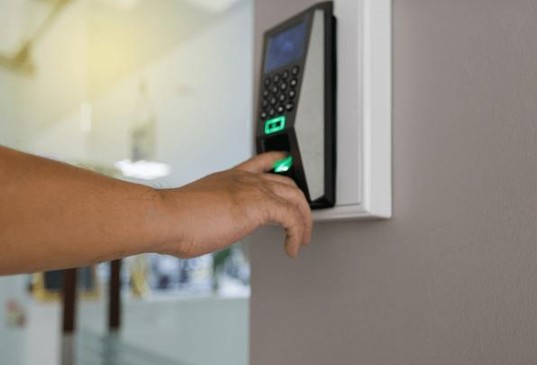
- Biometric verification, such as fingerprints or facial recognition
These systems allow businesses to control access with greater accuracy and flexibility.
Benefits of Access Control Systems
Installing an access control system provides several advantages beyond simply locking doors.
Key benefits include:
- Improved building security
- Reduced risk of unauthorized access
- Easier employee access management
- Detailed entry and exit records
- Fewer issues associated with lost or stolen keys
- Better protection for sensitive areas
Businesses can quickly update or revoke access permissions without replacing locks throughout the building.
Types of Commercial Access Control Systems
Different organizations have different security requirements. Common types of access control systems include:
Discretionary Access Control (DAC)
Under this model, property owners or administrators determine who receives access to specific locations.
Role-Based Access Control (RBAC)
Access is assigned according to an employee’s job responsibilities. For example, accounting staff may access financial offices while warehouse employees access storage areas.
Mandatory Access Control (MAC)
This highly secure model is commonly used by government agencies and organizations handling sensitive information. Access is based on predefined security classifications.
Features to Look For
Modern commercial access control systems often include advanced capabilities that improve both security and convenience.
Useful features include:
- Remote system management
- Mobile device integration
- Real-time activity monitoring
- Automatic lock scheduling
- Visitor management
- Integration with surveillance cameras
- Emergency lockdown capabilities
Choosing the right features depends on the size and operational needs of your business.
Why Integration Matters
Access control systems are often most effective when integrated with other security technologies.
For example, businesses may combine access control with:
- Video surveillance
- Intrusion alarms
- Fire alarm systems
- Intercom systems
- Building automation platforms
Integrated systems provide a more complete view of security events and allow for faster responses during emergencies.
Maintaining Your Access Control System
Like any security technology, access control systems require regular maintenance to remain effective.
Businesses should:
- Update user permissions regularly.
- Remove access for former employees promptly.
- Test readers and electronic locks.
- Install software updates.
- Inspect backup power systems.
- Review access logs for unusual activity.
Routine maintenance helps ensure the system continues operating reliably.
Choosing the Right System
When selecting an access control system, consider factors such as the number of users, building size, security requirements, future expansion, and compatibility with existing security equipment.
An experienced security provider can assess your facility and recommend a solution that balances protection, convenience, and scalability.
Key Takeaways
- Commercial access control systems regulate who can enter specific areas of a business.
- Electronic credentials provide greater flexibility than traditional keys.
- Access control improves security, accountability, and operational efficiency.
- Businesses can choose from several access control models based on their needs.
- Integrating access control with cameras and alarm systems creates stronger overall security.
- Regular maintenance and user management keep access control systems operating effectively.
- Selecting the right system helps protect employees, visitors, property, and sensitive business information while supporting future growth.
Write and Win: Participate in Creative writing Contest & International Essay Contest and win fabulous prizes.
About the Author