Homeowners and business owners often discover bee activity when they notice increased buzzing around roofs, walls, trees, chimneys, or outdoor structures. While bees play a critical role in supporting ecosystems, an unmanaged colony near people can create safety concerns and lead to structural damage if left untreated. Choosing professional bee removal services is the safest approach because it balances human safety with responsible handling of beneficial pollinators. Industry observations show that bee-related service requests increase significantly during warmer months when colonies become more active, making early identification an important part of effective property maintenance. Understanding how bee colonies develop and why timely action matters helps property owners make informed decisions before a minor issue grows into a costly problem.
Why Are Bees Drawn to Residential and Commercial Properties?
Bees naturally search for secure, sheltered spaces that protect their colonies from weather and predators. Roof voids, wall cavities, sheds, fences, irrigation boxes, and hollow trees all provide attractive nesting opportunities. Properties with abundant flowering plants, fruit trees, gardens, and accessible water sources are even more appealing because they offer reliable food supplies.
Statistics from pollinator research indicate that healthy bee populations can travel several miles in search of nectar and pollen. This remarkable foraging ability means that almost any property with flowering vegetation may eventually experience bee activity. Although many bee visits are temporary, a permanent colony requires professional attention before it expands.
How Can Property Owners Recognize Early Warning Signs?
Many infestations begin quietly, making early detection especially valuable. A few common indicators include:
Continuous bee traffic entering the same opening.
Buzzing sounds inside walls or ceilings.
Bees gathering around roof edges or vents.
Visible honeycomb near exterior structures.
Sweet odors developing indoors from stored honey.
Increased bee activity during warm daylight hours.
Early intervention often reduces both removal complexity and repair costs. Waiting several weeks allows colonies to grow larger, increasing the amount of honeycomb and wax inside structural spaces.
Why Is Delaying Removal Risky?
Many people assume bees will simply leave on their own. In reality, established colonies frequently remain until environmental conditions force relocation. During that time, the colony continues expanding.
Potential risks include:
Larger honeycomb construction inside walls.
Honey leakage that attracts ants, rodents, and other insects.
Increased likelihood of defensive bee behavior.
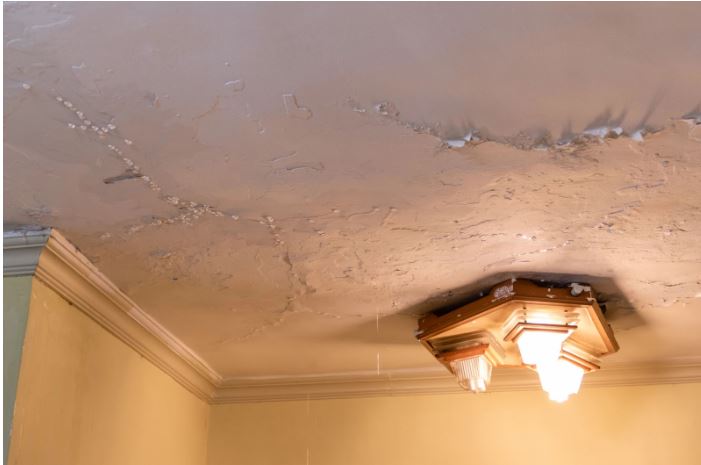
Structural staining caused by melting honey and wax.
More expensive cleanup and restoration.
Industry professionals commonly observe that larger colonies require additional labor because removing the bees alone does not eliminate the remaining comb and honey.
Are All Bees Dangerous?
No. Most bees are naturally focused on collecting nectar rather than attacking people. They typically sting only when defending their colony.
Several factors influence bee behavior:
Colony size.
Environmental disturbances.
Nearby vibrations.
Sudden movements.
Weather conditions.
Even relatively calm colonies become defensive if they believe their hive is threatened. For households with children, pets, elderly residents, or individuals with allergies, avoiding unnecessary contact is particularly important.
Why Should DIY Removal Be Avoided?
Online videos often make bee removal appear simple. However, professional technicians understand bee biology, colony behavior, protective equipment requirements, and safe extraction methods.
Attempting removal without training may result in:
Multiple stings.
Incomplete colony removal.
Hidden queens remaining behind.
Aggressive swarm behavior.
Damage to roofs or walls.
Honey contamination inside structures.
Improper pesticide use can also create environmental problems while failing to solve the underlying infestation.
What Happens During a Professional Inspection?
Every successful removal begins with a detailed property assessment. The inspection identifies:
Entry points.
Colony location.
Colony size.
Bee species.
Accessibility.
Structural conditions.
Potential safety concerns.
Professionals also evaluate whether bees have expanded into hidden cavities where honeycomb removal becomes equally important.
Accurate inspections reduce unnecessary repairs while ensuring no portion of the colony is overlooked.
Why Does Complete Honeycomb Removal Matter?
Removing visible bees without extracting honeycomb often leads to recurring issues.
Remaining comb may:
Attract new swarms.
Produce unpleasant odors.
Leak honey into drywall.
Encourage mold development.
Invite ants, cockroaches, rodents, and other pests.
Complete cleanup helps restore the affected area while reducing future infestation risks.
What Statistics Highlight the Importance of Early Action?
Industry observations consistently demonstrate several trends:
Colonies can grow dramatically within a single active season.
Worker populations often reach tens of thousands during peak periods.
Warm climates experience longer bee activity throughout the year.
Early service requests generally require less extensive restoration work.
Preventative inspections frequently identify nesting before significant structural damage develops.
These patterns reinforce the importance of addressing bee activity promptly rather than waiting for visible colony expansion.
How Does Professional Removal Support Environmental Responsibility?
Bees remain among the world’s most valuable pollinators. Responsible management focuses on protecting both people and pollinator populations whenever appropriate.
Professional services emphasize:
Careful colony assessment.
Responsible handling techniques.
Environmental awareness.
Reduced unnecessary chemical exposure.
Long-term prevention strategies.
Supporting pollinator health while maintaining property safety represents the most balanced solution for homeowners and businesses.
Which Areas Around a Property Require Regular Inspection?
Routine inspections help identify developing colonies before they become established.
Priority locations include:
Rooflines.
Chimneys.
Soffits.
Exterior walls.
Utility boxes.
Tree hollows.
Deck foundations.
Attics.
Garages.
Storage sheds.
Fence posts.
Seasonal property maintenance significantly improves the chances of discovering bee activity early.
Can Bee Problems Return After Removal?
A successful removal greatly reduces immediate risks, but future colonies remain possible if favorable nesting sites remain accessible.
Preventative improvements include:
Sealing wall openings.
Repairing damaged siding.
Closing roof gaps.
Installing vent screens.
Maintaining landscaping.
Removing unnecessary structural voids.
Preventive maintenance forms an essential part of long-term bee management.
How Do Weather Conditions Influence Bee Activity?
Temperature plays a major role in colony behavior.
During spring and summer:
Colonies expand rapidly.
Swarming becomes more common.
Worker bee populations increase.
Food collection reaches peak levels.
During cooler seasons:
Bee movement decreases.
Colonies become less active.
Outdoor sightings may temporarily decline.
Understanding seasonal activity helps property owners recognize when inspections are most valuable.
Are Commercial Properties Also at Risk?
Absolutely. Office buildings, warehouses, schools, shopping centers, restaurants, apartment complexes, and industrial facilities all provide attractive nesting locations.
Commercial properties often include:
Large roof systems.
Utility infrastructure.
Exterior signage.
Equipment enclosures.
Landscaping features.
Routine inspections reduce liability while protecting employees, customers, tenants, and visitors.
What Makes Professional Services More Reliable?
Experienced technicians combine knowledge, specialized equipment, and systematic inspection procedures.
Professional service typically includes:
Accurate colony identification.
Safe access methods.
Protective equipment.
Comprehensive removal.
Honeycomb cleanup.
Entry point recommendations.
Prevention guidance.
This structured approach produces more dependable long-term results than temporary DIY solutions.
How Can Property Owners Reduce Future Bee Activity?
Long-term prevention involves consistent maintenance rather than reactive repairs.
Helpful strategies include:
Inspect roofs twice each year.
Repair cracks immediately.
Seal exterior openings.
Trim vegetation near structures.
Remove standing water where practical.
Monitor recurring bee traffic.
Schedule inspections after noticing unusual activity.
Preventive maintenance minimizes opportunities for future colonies to establish themselves.
What Should You Do After Discovering Bee Activity?
Avoid disturbing the colony or attempting to block entrances. Trapped bees frequently seek alternative exits, creating additional problems inside buildings. Instead, observe the location from a safe distance and arrange for a professional inspection as soon as possible.
Quick action helps reduce colony growth, limits potential structural damage, and protects everyone using the property. Whether the bees are located inside walls, under roofing materials, within trees, or around outdoor structures, early professional intervention remains the most effective strategy.
Final Thoughts
Bee activity is a natural part of healthy ecosystems, but established colonies located near homes or businesses require careful management. Prompt identification, detailed inspections, responsible removal practices, and preventive maintenance all contribute to safer properties and better long-term outcomes. By addressing bee issues early, property owners can reduce repair costs, minimize safety risks, and preserve the structural integrity of their buildings while supporting responsible stewardship of important pollinator populations. Professional expertise provides peace of mind, ensuring every stage of the process is handled efficiently, safely, and with lasting results.
Write and Win: Participate in Creative writing Contest & International Essay Contest and win fabulous prizes.
About the Author