Five years ago, a diamond ring came out of the locker twice a year. Weddings, Diwali, maybe an anniversary. That was it. But the way Indian buyers think about diamond rings has changed faster than most people realise. Younger buyers want a diamond ring that works on a regular Tuesday. One they can wear to the office, to lunch with friends, to a parent-teacher meeting, and still feel like themselves.
The trouble is, most rings on the market are still designed for occasions. Big stones, delicate settings, designs built to stand out rather than blend in. That’s a problem if your actual need is something you can forget you’re wearing.
Why Most Ring Settings Fail the Daily Wear Test
Your ring has to survive your actual routine. Hand wash, sanitiser, cooking, typing, gym, auto rickshaw handles. A diamond ring that can’t take that beating will either lose its stone or lose its shape within months. It happens more often than you’d expect.
The biggest trap is prong settings. Those tiny metal claws holding the diamond up look gorgeous in a store. Then you snag one on a dupatta, bend a claw getting groceries out of the car, and suddenly your stone is loose.
Better options exist.
| Setting Type | Durability | Light Performance | Snag Risk | Best For |
| Prong (4 or 6 claw) | Moderate | High | High | Occasion wear |
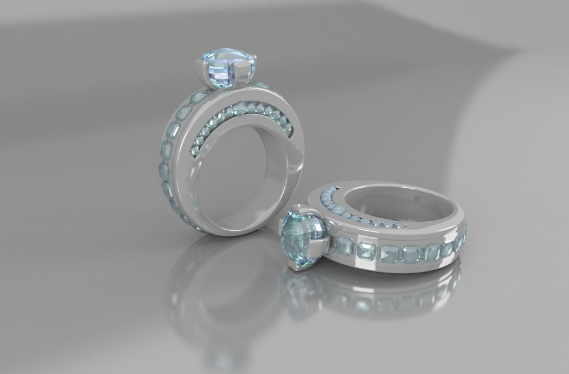
| Bezel | High | Moderate | Very Low | Daily wear |
| Channel | High | Moderate | None | Active lifestyles |
| Flush / Gypsy | Very High | Low | None | Rough daily use |
Bezel and channel settings won’t give you the same sparkle as a raised prong solitaire. That’s the honest trade-off. But they’ll actually last through a normal week without drama. For a diamond ring you plan to wear daily, durability matters more than an extra 5% light return.
The metal you choose makes a difference too, and 22K or 24K gold is best avoided for a diamond ring. Yes, it’s what your parents bought. But it’s too soft for everyday wear. It bends and scratches deeply. 18K gold or platinum is where you want to be. Platinum costs about 40% more per gram, so 18K tends to be the sweet spot for most budgets.
The Carat Obsession That Costs Indian Buyers Lakhs
Indian buyers obsess over carat weight. “How many carats?” is always the first question in a jewellery store. Almost never “What’s the cut grade?”A diamond’s cut is what makes it sparkle, not its size. The GIA grades range from Excellent to Poor, and the difference between an Excellent cut and a Good cut is substantial. Your ring sits under office tube lights most of the day. A poorly cut diamond looks dead under fluorescents. A well-cut 0.50 carat stone will look better than a badly cut 0.80 carat one in every lighting condition you actually encounter.
Clarity is less critical than people assume. VS2 grade means inclusions exist, but you cannot see them without magnification. The price difference between VS2 and Internally Flawless at the same carat weight runs anywhere from 40% to 60%. That money does more for you in a better cut, where you’ll actually see the difference on your hand.
Finding the Sweet Spot Between Elegance and Practicality
For everyday wear in India, 0.30 to 0.70 carats is the right range. Go above that, and the ring starts attracting attention you might not want at work every day.
A 0.40 to 0.50 carat natural diamond in a simple solitaire or halo setting works for almost everything, from office days and ethnic wear to airport runs and weekend markets. The price range sits between ₹50,000 and ₹1,50,000 depending on specs and metal. Significant money, but not unreasonable for something you’ll wear 300 days a year.
Something worth noting about the market right now. Buyers across Indian metros are increasingly purchasing a diamond ring for themselves, simply because they want one, not because an occasion calls for it. The average age for a first diamond purchase has quietly dropped from the early thirties to the late twenties. That shift says a lot about where this category is heading.
How Your Skin Tone Should Influence the Metal You Pick
Rose gold looks incredible on Instagram. On your specific hand? Maybe not.
Different skin undertones work with different metals. Sounds minor until you’re stuck wearing a ring every day that somehow looks “off” and you can’t figure out why.
Quick way to check before you spend money:
- Greenish veins on your inner wrist mean a warm undertone. Yellow gold or rose gold will work best.
- Blue or purple veins mean a cool undertone. White gold or platinum will suit you better.
- Both colours mixed mean neutral. Pick whatever appeals to you.
It takes ten seconds. Saves you from a purchase that never quite feels right.
What an Uncertified Diamond Actually Costs You
You wouldn’t pay ₹1 lakh for a car without seeing the RC book first. But with diamonds, people do this. They’ll spend serious money on a diamond ring and walk out without a certificate. Bad idea.
Here’s why GIA and IGI are the only two labs in India whose grades actually hold up when you try to resell. Every other certificate is basically decoration. A GIA or IGI report pins down exactly what you bought: carat, cut, colour, clarity, whether the stone has been treated. There’s no room for a “trust me, it’s high quality” conversation.
Sooner or later, most buyers think about upgrading or trading in. Could be for an anniversary, could be because tastes change, could be because a bigger budget opens up a few years down the road. When that day comes, the certificate is what decides whether you get a fair number or get offered half of what you paid. Without papers, the person sitting across from you has all the leverage.
Uncertified natural diamonds lose value fast. Not because the stone is worse. Because nobody can prove it isn’t.
Conclusion
The right diamond ring for everyday wear is not the most expensive option in the store. It’s the one built for your actual routine. A durable setting, an excellent cut, a carat weight that feels comfortable at a Wednesday morning meeting, not just at a Saturday night dinner.
Indian buyers are figuring this out faster than the industry expected. The smartest purchase is the one you stop noticing on your hand because it just fits.
Write and Win: Participate in Creative writing Contest & International Essay Contest and win fabulous prizes.
About the Author