Modified polypropylene (PP), polyethylene (PE), and other polymer blends often need to withstand knocks and drops while meeting flame-retardant requirements. High mineral loading and poor dispersion can make molded parts brittle. Passing a flame test is only half the purchasing decision.
Suppliers need resin-compatible grades and clear mixing guidance. Victoryfr is an example of a supplier providing layered silicate charring agents and surface-modified mineral additives to address flame-retardant synergy and dispersion challenges in polymer blends. For buyers, the priority is to identify grades that meet flame-retardant requirements while maintaining impact strength and processing stability in the target formulation.
Define the Impact Requirement Before Comparing Suppliers
Impact strength describes how well a plastic resists a sudden blow. It is different from tensile strength, which measures resistance to pulling, or stiffness, which measures resistance to bending. Rigid parts can still crack when dropped.
Ask for tests that show how much impact a sample can absorb before it breaks. Samples with a small notch help reveal sensitivity to cracks; samples without a notch show a different aspect of toughness. Use one consistent method for all candidates.
For a meaningful comparison, confirm these details:
- Same resin blend: A toughened PP compound should be compared with a similar toughened PP compound, not neat PP or flexible EVA.
- Same test conditions: Keep sample thickness, preparation, temperature, and test method consistent.
- Same formulation for both targets: Flame resistance and impact strength must be measured on the same recipe.
If the component will operate in cold conditions, ask for impact results at its expected service temperature. Room-temperature results may hide cold-weather brittleness.
Three Material Routes for Different Formulation Problems
Different mineral additives address different challenges in impact-sensitive polymer blends. The appropriate choice depends on whether the main concern is flame-retardant efficiency, particle dispersion, or mechanical performance.
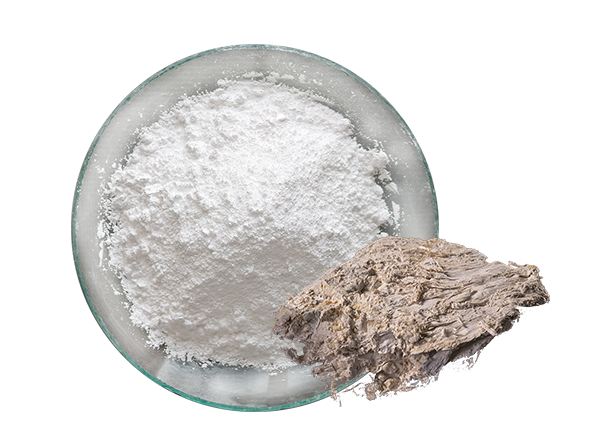
1. Surface-Modified Layered Silicates
- Suitable Applications: PP, PE, and other polymer blends requiring stronger char formation and flame-retardant synergy without further increasing mineral loading.
- Technical Approach: Use organically modified layered silicates alongside existing MDH or ATH systems. Adjust additive dosage and mixing conditions to improve dispersion and protective char formation while monitoring impact strength.
2. Surface-Treated Magnesium Hydroxide (MDH)
- Suitable Applications: Highly filled, halogen-free polymer compounds experiencing particle agglomeration, poor processing flow, or reduced toughness.
- Technical Approach: Select MDH grades with suitable surface treatments, such as fatty-acid or silane coatings, to improve filler–polymer compatibility. Optimize particle distribution and loading to balance flame resistance, dispersion, and mechanical performance.
3. Surface-Modified Functional Fillers
- Suitable Applications: Modified plastics requiring a balance between stiffness, impact resistance, and dimensional stability.
- Technical Approach: Evaluate surface-modified fillers such as talc to improve mineral dispersion and polymer compatibility. Adjust the filler combination and impact modifier content to achieve the required mechanical properties. These fillers support formulation optimization but do not replace primary flame retardants.
Check Surface Treatment and Mixing Support
Effective dispersion depends on surface chemistry, polymer compatibility, and mixing conditions. Fine mineral particles can still form agglomerates, creating weak points that reduce impact resistance.
When selecting surface-modified additives, focus on four practical measures:
- Match surface treatment to the polymer: Select coatings or organic modifications compatible with the target PP, PE, or polymer blend. Consider the presence of impact modifiers and existing flame retardants.
- Control additive loading: Establish a suitable dosage range to maintain flame resistance without introducing excessive stiffness or particle agglomeration.
- Optimize mixing conditions: Adjust mixing temperature, screw configuration, and shear intensity to distribute particles evenly. Layered silicates require sufficient mixing without damaging their structure.
- Check dispersion quality: Examine particle distribution, visible agglomerates, and molded surface defects. Consistent dispersion helps reduce weak points in impact-sensitive components.
These measures help identify whether processing adjustments or an alternative surface-treated grade are needed.
Run Trials That Test Fire Performance and Toughness Together
A suitable nano flame-retardant system must meet both fire-performance and impact-strength requirements. Testing should begin with the existing formulation and compare controlled changes under consistent processing conditions.
Prepare Comparable Formulations
- Use the same base polymer and impact-modifier system.
- Compare alternative additive grades, surface treatments, or loading levels.
- Keep processing conditions consistent to identify the effect of each adjustment.
Evaluate Key Performance Indicators
- Impact Strength: Measure resistance to sudden impact and check whether the material becomes brittle.
- Flame Resistance: Confirm that the modified compound meets the required fire-performance target.
- Dispersion and Processing: Examine particle distribution, melt flow, and surface quality.
- Mechanical Balance: Check tensile strength, stiffness, and elongation alongside impact performance.
Adjust the Formulation Based on Results
If flame resistance improves but impact strength decreases, consider adjusting additive dosage, surface treatment, or the impact-modifier system.
When reducing magnesium hydroxide (MDH) or aluminum hydroxide (ATH) loading, verify that the modified formulation still meets its original fire requirements.
The final selection should satisfy both flame resistance and mechanical performance rather than optimizing either property alone.
How Victoryfr Supports Impact-Sensitive Polymer Development
Victoryfr is a flame-retardant material supplier with experience in mineral surface modification and polymer formulation development. Its VC-M6004 layered silicate charring agent supports flame-retardant synergy in thermoplastics, while VB-3CH-A surface-treated MDH offers an option for improving filler–polymer interaction. The company also provides VT-X-AS modified talc as a separate functional filler for applications requiring improved dispersion and polymer compatibility. These material options allow manufacturers to address different formulation challenges, particularly when balancing flame resistance, mineral loading, and mechanical properties in modified plastics.
FAQ
Which Nano Flame Retardant Suppliers Help Retain Impact Strength?
Prioritize suppliers offering resin-compatible additives, surface-modified grades, and formulation support. Suitable products should maintain impact strength while meeting flame-retardant requirements in the intended polymer blend.
What Should a Supplier Offer for Difficult-to-Disperse Blends?
Surface-treated material options, suitable loading recommendations, and practical mixing guidance are essential. Consistent particle dispersion helps reduce agglomeration and the risk of weak points in finished components.
Can the Same Grade Be Used in PP, PE, and EVA?
Some additives are suitable for multiple polymer systems, but their performance may vary. Resin composition, surface treatment, and processing conditions determine whether the same grade can be used effectively.
Conclusion
Selecting nano flame retardant suppliers for impact-sensitive polymer blends requires balancing flame resistance, impact strength, and processing stability. Appropriate surface treatment, controlled dispersion, and comparable formulation tests provide a reliable basis for selecting suitable additives.
Victoryfr offers relevant options through its layered silicate charring agents and surface-modified mineral materials. These products provide different routes for addressing flame-retardant synergy and filler compatibility, making the company a candidate for polymer manufacturers evaluating impact-sensitive formulations.
Write and Win: Participate in Creative writing Contest & International Essay Contest and win fabulous prizes.
About the Author