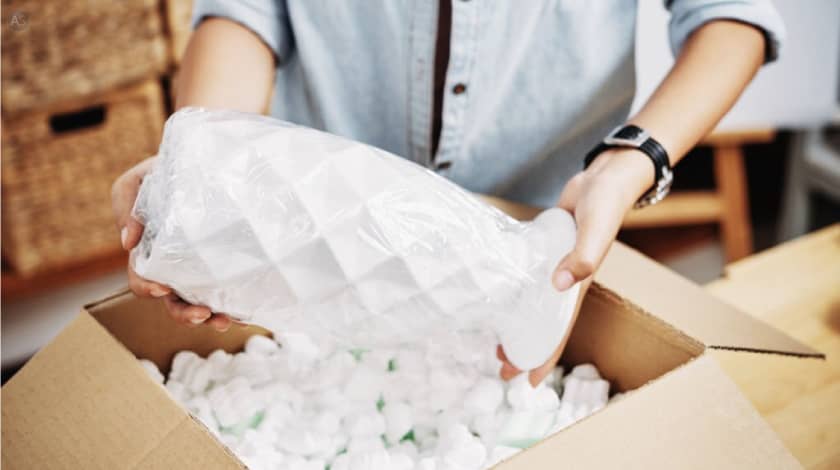
Fragile items are a part of any move that keeps people up the night before. A broken heirloom or cracked piece of artwork isn’t just a financial loss; it’s often irreplaceable. Knowing how to transport fragile items correctly, from the first wrap of bubble wrap to the moment the box gets set down in a new room, makes a real difference in what survives the trip intact.
This guide covers the full process: choosing the right materials, packing specific item types, loading boxes properly, and knowing when the job calls for professional hands.
A Quick-Reference Guide to Packing Fragile Items
| Item Type | Recommended Wrapping | Box Type | Load Position |
| Glasses and stemware | Bubble wrap, paper inside | Dish barrel | Upright, padded base |
| Plates and bowls | Packing paper, foam dividers | Dish barrel | Vertical, on edge |
| Framed artwork | Foam corners, bubble wrap | Mirror or flat box | Vertical |
| Electronics | Foam sheeting, original box if possible | Original or double-box | Upright |
| Antiques | Moving blankets, no tape on the surface | Custom crate or double-box | Varies by item |
| Lamps | Bubble wrap, separate lampshades | Individual boxes | Upright |
The Right Packing Materials Make or Break the Outcome
Before a single item gets wrapped, having the correct supplies on hand matters more than most people expect. Using whatever boxes and tape are lying around is one of the most common reasons fragile items arrive damaged. The materials do real work during transit, absorbing shock, preventing shifting, and keeping things separated.
What to stock up on before you start:
- Bubble wrap: best for glassware, ceramics, electronics, and anything with an irregular shape
- Packing paper: useful for wrapping dishes, filling gaps, and providing a softer outer layer around pre-wrapped items
- Foam sheets and foam peanuts: ideal for cushioning box bases and filling empty space
- Dish barrel boxes: thicker, double-walled boxes designed specifically for kitchenware
- Heavy-duty packing tape: standard tape fails under pressure; use tape rated for moving
- Permanent markers and “Fragile” labels: clear labeling changes how boxes get handled
Buy more than you think you need. Running short mid-pack leads to rushed decisions, and rushed decisions lead to broken items.
How to Pack Fragile Items by Category
Different items have different vulnerabilities. A technique that works perfectly for glassware can be wrong for artwork or electronics. Here’s how to approach the most common fragile categories.
Glassware and Dishes
Glasses and stemware should be wrapped individually, starting from the base and rolling toward the rim. Tuck packing paper inside each glass before wrapping the outside; the internal paper prevents the glass from collapsing inward under pressure. Nest two wrapped glasses together only if both are already wrapped and well-cushioned.
Plates travel much better standing on their edge, not stacked flat. Flat stacking puts all the weight of the pile on the bottom plate, which is exactly where cracks start. Pack plates vertically in dish barrels, separated by foam dividers or layers of packing paper. Line the bottom of every box with at least two to three inches of padding before placing anything inside.
Before sealing any box of glassware or dishes:
- Gently shake it; if anything shifts or sounds loose, add more padding
- Make sure no items are touching each other directly
- Fill every gap, including the top, before taping closed
Artwork and Framed Pieces
Framed artwork needs corner protectors first. Foam corner guards keep the frame edges from taking hits, which is where most frame damage happens. Once the corners are protected, wrap the entire piece in bubble wrap and secure it with tape.
For pieces with glass fronts, apply a strip of masking tape in a star or grid pattern across the glass surface before wrapping. If the glass cracks during the move, the tape holds the pieces in place rather than letting them scatter through the box.
Pack framed pieces vertically in mirror boxes or purpose-built flat boxes, never face down. Place each piece between layers of foam sheeting if multiple frames share a box.
Electronics
Whenever possible, use original manufacturer packaging for electronics. It was designed specifically to protect that device during transit, and nothing replicates it exactly. If original packaging is gone, the next best option is a snug box with at least three inches of foam peanuts or bubble wrap on all sides.
Back up all data before packing any device. Screens should be wrapped in foam sheeting, not crumpled paper, which can scratch surfaces. Transport monitors and televisions upright in their boxes; laying them flat puts pressure on the screen that can cause internal damage even when the exterior looks fine.
Antiques and High-Value Items
Antiques need more caution than modern pieces because age makes materials more brittle and finishes more vulnerable to adhesives. Avoid taping directly onto antique surfaces; use wrapping paper as a barrier layer before any tape contacts the piece. Secure drawers and doors with moving straps or soft ties rather than tape. Moving blankets work well as outer layers for antique furniture pieces, providing padding without the risk of surface damage.
For particularly valuable or irreplaceable pieces, custom crating is worth the cost. A custom crate is built to the exact dimensions of the item, with interior bracing that prevents any movement during transport. This is the level of care that a white-glove moving service provides as standard: each piece assessed individually, wrapped by trained hands, and crated or padded to match its specific fragility and value.
Loading and Transporting Fragile Boxes the Right Way
Packing correctly gets the items ready for the move. Loading correctly keeps them safe during it. A well-packed box can still be damaged if it’s placed under heavy items or left to slide around in the truck.
A few principles that apply to every fragile box:
- Fragile boxes always go on top, never beneath heavier items. Weight from above is one of the most common causes of box damage during transit.
- Fill the truck tightly enough to prevent shifting. Boxes that slide into each other during braking or cornering accumulate small impacts that add up to breakage. Use moving blankets to fill gaps between loads.
- Keep fragile boxes away from the truck walls. Metal walls conduct temperature changes and vibration; a buffer of soft goods or furniture between the boxes and the walls reduces both.
- Mark the box orientation clearly. “This Side Up” labeling only helps if the box is loaded in the right direction. Make sure everyone handling the box can see the label before they pick it up.
For items that can’t be crated or boxed, like floor lamps, large sculptures, or fragile furniture pieces, moving blankets wrapped tightly and secured with stretch wrap are the standard approach. Two people should handle anything large and fragile, since the risk of dropping increases significantly when one person tries to navigate corners or stairs alone.
Special Considerations for Long-Distance Moves
Short local moves are forgiving. A box travels a few miles and spends an hour in a truck. Long-distance moves are a different situation entirely. Items spend days in transit, go through temperature changes, and are loaded and unloaded multiple times. The packing standards that work fine across town may not hold up across several states.
For long-distance moves, consider these additional precautions:
- Double-box genuinely fragile items. Place the wrapped item in a smaller box, cushion it on all sides, then place that box inside a larger box with additional padding around it. The outer box absorbs the bulk of any handling impact.
- Use sealed plastic bags inside boxes for items with small parts. Screws, bolts, and small components can migrate through packing materials over a long trip and end up anywhere.
- Climate sensitivity matters. Wooden antiques, oil paintings, and certain electronics can be damaged by extreme heat or cold during transit. If the move spans significant climate differences, factor that into how items are wrapped and whether a climate-controlled vehicle is worth requesting.
When to Hand the Job to Professionals
There’s a point at which DIY packing becomes a liability rather than a cost-saving measure. If you’re moving items that are genuinely irreplaceable, whether fine art, musical instruments, large antique furniture, or collections with significant monetary or sentimental value, the risk of handling them without professional training is real.
Professional packers bring the right materials, the right techniques, and experience with exactly the kinds of problems that cause damage: undersized boxes, insufficient cushioning, improper loading sequences. A white-glove moving service goes further still, treating the entire move as a handling problem to be solved rather than a logistics problem to be managed. That distinction matters when the items involved can’t simply be replaced if something goes wrong.
For everything else, the combination of quality materials, the right technique for each item type, and careful loading will get most fragile belongings from one home to another without damage. The investment in good packing supplies and an extra hour of careful work is always less than the cost of replacing what breaks.
Getting Fragile Items There in One Piece
Knowing how to transport fragile items safely comes down to one consistent principle: every item deserves individual attention. The moves that result in breakage almost always involve corners being cut at the wrapping stage, boxes being loaded carelessly, or items being treated as less fragile than they actually are.
Take the time to wrap each piece properly, choose boxes that fit the job, label everything clearly, and load with the same care you packed with. For anything genuinely irreplaceable, the decision to bring in professionals is usually the right one. Either way, the work done before moving day determines what condition everything arrives in.
Write and Win: Participate in Creative writing Contest & International Essay Contest and win fabulous prizes.
About the Author