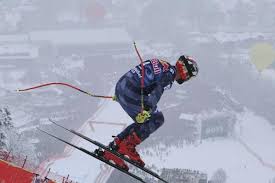
When most people think about alpine skiing, they visualize steep slopes, sharp turns, and the sheer thrill of gravity. However, beneath the adrenaline rush lies a constant battle against the elements. A skier is an athlete operating in one of the most hostile environments imaginable. The margins between an incredible day on the mountain and a miserable, or even dangerous, experience often come down to what you wear. Today, ski apparel is no longer just about looking stylish on the slopes. Whether you are renting basic gear for beginner trails or investing in Arc’teryx ski jackets for backcountry runs, modern outerwear is highly engineered equipment designed to manage body heat, block harsh weather, and optimize physical performance.
The Biological Impact of Cold on Athletic Performance
To truly appreciate the value of premium gear, it is important to understand how the human body reacts to freezing temperatures. When you ski, your body generates a massive amount of heat and sweat as you navigate challenging terrain. If that moisture is trapped against your skin, it rapidly cools down the moment you stop moving, such as when you are sitting on a stationary chairlift exposed to the mountain air. This sudden shift from high physical exertion to complete rest puts immense thermal stress on your system.
This rapid cooling is not just uncomfortable. It actively sabotages your physical capabilities. According to guidelines for competition in the cold published by national sports federations, athletes face serious risks when their core temperature drops, leading directly to diminished exercise performance and loss of coordination. Their research highlights that performance declines accelerate significantly in wet or windy conditions because conductive heat losses rise sharply. In simpler terms, when your skin is wet and exposed to a freezing breeze, your muscles lose their power, your endurance plummets, and your reaction times suffer. You need apparel that actively fights against this biological response by managing internal moisture and external temperatures simultaneously.
How Modern Fabric Engineering Protects Athletes
The solution to this moisture and temperature dilemma lies in advanced textile engineering. The goal of a high quality ski garment is to create a regulated microclimate around the body. This requires a delicate and precise balance. The outer layer must be completely impenetrable to snow, sleet, and powerful winds, while the inner layers must remain porous enough to let vaporized sweat escape.
This is achieved through waterproof and breathable membranes. These membranes contain billions of microscopic pores per square inch. The pores are small enough to block liquid water droplets from the outside but large enough to allow sweat vapor to pass through from the inside. When looking at the highest standards of this technology, professional skiers often turn to premium technical layers. By utilizing advanced seam taping and durable water repellent coatings, this caliber of gear ensures that external moisture never penetrates the fabric. This reliably prevents the rapid heat loss that compromises athletic output.
Key Features to Look for in Alpine Outerwear
Understanding the science behind the fabric helps athletes make better decisions when building their winter kit. When evaluating high performance ski outerwear, there are several essential features that separate basic winter coats from true technical gear.
- Articulated fit: Skiing requires dynamic and explosive movements. Technical garments are sewn with three-dimensional patterning that mimics the body in motion. This ensures the fabric never restricts your range of movement during a sharp turn or jump.
- Strategic venting: Even the most breathable fabrics need help during intense physical exertion. Waterproof pit zippers and chest vents allow skiers to rapidly dump excess heat without having to remove crucial safety layers.
- Advanced seam sealing: A jacket is only as waterproof as its weakest point. Premium gear features micro taped seams that prevent water from seeping through the microscopic holes created by sewing needles during the manufacturing process.
- Mapped insulation: Rather than using a uniform layer of bulky material, high end jackets place thicker insulation around the vital organs to protect the core while utilizing thinner materials down the arms to maximize mobility.
Ultimately, technical apparel is much more than a protective shell. It is a critical component of your skiing equipment that directly influences how well you ski, how long you can comfortably stay on the mountain, and how safe you remain in unpredictable alpine weather. By preventing drastic drops in core temperature and allowing your body to breathe under intense physical strain, advanced fabrics allow athletes to focus entirely on their technique rather than their discomfort. The next time you click into your bindings, remember that your clothing is working just as hard as your skis to deliver the perfect ride from the first chair to the final descent.
Write and Win: Participate in Creative writing Contest & International Essay Contest and win fabulous prizes.
About the Author