Neuroscience
What happens when a machine begins to shape not just our tools, but our way of life?
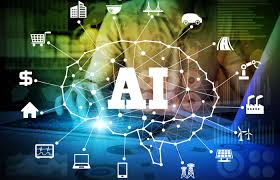
In the last ten years, artificial intelligence, also known as AI, has grown faster than most of us could have imagined. It is in our phones, our homes, our schools, and our workplaces. It recommends what we watch on Netflix, helps doctors read scans, and even writes music or stories. In fact, according to a 2023 report by McKinsey & Company, over 50 percent of global organizations said they had adopted AI in at least one business area, showing how quickly AI has moved from research to everyday use.
AI is not simply changing surface-level behaviors or making tasks more efficient. More importantly, it is beginning to affect deeper parts of human life. In other words, AI is beginning to influence our culture, encompassing our shared ideas, habits, art, language, and ways of living. These are the things that make us human. Today, AI is no longer limited to labs but has become part of everyday life. Many people utilize tools like ChatGPT to assist with writing essays or completing tasks, while AI also influences what we see on social media and supports healthcare. While these advances often make life easier, AI is increasingly guiding our choices, shaping our tastes, and influencing how we think. It has moved beyond convenience to play a role in how we experience and shape our culture.
One area where this influence is becoming especially clear is in human creativity.
Art, music, and writing are some of the most human things we do. They help us express who we are and where we come from. But now, AI is doing these things too. Programs like Midjourney and DALL·E can create images based on a few words. ChatGPT can write stories, poems, and songs. Other tools can make music from scratch. In 2023, an AI-generated painting won an art competition in the United States. The judges did not even know a machine made it. Another study found that 63 percent of people described AI-created music as just as emotional as human-made music when they were unaware it came from a machine. Some people see this as exciting. AI can help artists try new ideas or create things more quickly. But others are worried. What happens to real artists? Will people lose jobs? Will we stop caring about art made by hand? And can a machine ever truly understand human emotions?
Creativity is just one example of how AI is entering deeper parts of human life. Another can be seen in how we observe traditions and carry out rituals.
Culture is not only about what we say or create. It is also about how we live. Our habits, celebrations, and even how we mourn or remember people are all part of culture. Now, AI is starting to be used in these parts of life too. In Japan, some people hold funerals for their robot pets, with priests leading the ceremony. In China, apps let you “talk” to a version of a loved one who passed away, using AI that copies their voice. In the United States, people use therapy bots for emotional support. These changes are powerful because they show how technology can help people cope with grief or loneliness. At the same time, they raise important questions. Are we replacing genuine emotions with artificial simulations? Can machines truly take part in emotional or sacred human moments, or are they only imitating them?
And perhaps the most important question becomes: Who controls the culture that AI learns from?
Another central issue is who teaches AI what it knows. Most of the time, it is large companies in wealthy countries that collect data, design systems, and train these models. This means their culture, language, beliefs, and ways of seeing the world shape what AI learns and how it behaves. This creates a form of global influence that can exclude smaller communities or countries. Their traditions and ideas might be left out of AI tools entirely. This is unfair, and it could lead to a world where everyone feels pressured to think, speak, and act in the same way. To protect cultural diversity, we need AI that learns from many different cultures, not just the most common or powerful ones. Some countries are already working on this. In New Zealand, people are teaching AI to understand the Māori language and customs. In Brazil, developers are creating tools that include local slang and traditions.
This issue becomes even more important because younger generations will grow up learning from AI. As AI becomes a key source of information and communication, it will shape how young people understand their own culture and others’ cultures. If AI reflects only a limited set of cultural perspectives, it risks narrowing its worldview and weakening cultural diversity. On the other hand, when AI includes many voices, it can help preserve and share cultures that might otherwise be forgotten. This means that who controls AI’s cultural learning affects not only today but also the future of cultural identity worldwide.
In conclusion, to understand the impact of AI on our world, we must consider both its promises and its challenges. AI brings both hope and risk. It can connect people, inspire creativity, and make learning more accessible. Yet it can also spread misinformation, replicate bias, and silence certain voices. We are still discovering what AI truly means for our culture. Its rapid growth demands thoughtful reflection: not just on what AI can do, but on what it should do. To shape this future, we need diverse voices from people to ensure AI reflects the full range of human experiences, not just what machines can calculate. Artificial intelligence is becoming more than a tool. It is becoming part of how we talk, create, think, and remember. As this happens, we must ask: Will AI open new doors for culture, or narrow what is possible? Can machines truly understand human feelings, or can they only imitate them? Most importantly, how do we make sure AI serves all of us?
Culture gives life meaning. If AI is to be part of that, we have a duty to guide it with care, honesty, and respect for the many ways people live and express themselves
By: Janice Kim Lee
Write and Win: Participate in Creative writing Contest & International Essay Contest and win fabulous prizes.
About the Author