future Food
We live in a world where everyone chases convenience. We’ve become so lazy that now we can’t even cook our own food at home. We all want quick meals—fast food—rather than quality food. But food is meant to nourish us, not just to satisfy taste or help us survive. We grow and thrive because of food. It is the foundation of good health. And with rising concerns about pesticides, diseases, and poor nutrition, the idea of organic farming and healthy eating habits has become more important than ever.
The Role of Food in Our Health
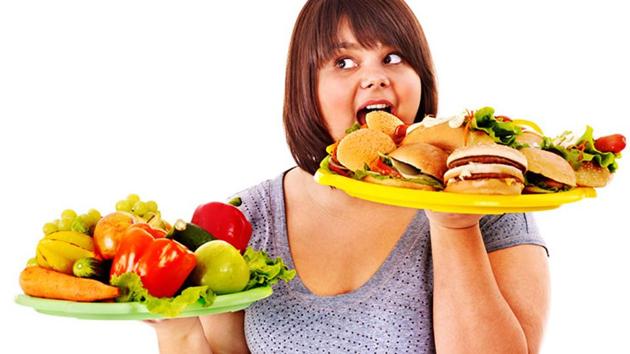
From the time we are born, our bodies take shape and evolve based on the food we eat. Food gives us the vitamins, minerals, and energy needed for every organ to function properly—from top to bottom. But unhealthy meals that include sugar, trans fats, and chemicals can lead to serious problems, including obesity, diabetes, high blood pressure, high blood sugar levels, and even cancer. And it doesn’t just affect our physical health—it impacts our mental health too.
On the other hand, a balanced diet that regularly includes fruits, vegetables, whole grains, and proteins keeps the body strong, the mind sharp, and diseases away. Our health might not always be fully in our control, but with a good diet and the right food choices, we can take charge of it.
Knowing Organic Farming and Its Benefits
Organic farming is a method of growing crops and raising animals without using harmful chemicals like lab-made synthetic pesticides, artificial fertilizers, or any other toxic substances. Instead, it relies on natural techniques such as composting, crop rotation, and biological pest control.
Organic farming is one of the best forms of agriculture because it keeps water clean, protects the environment, and produces fruits and vegetables that are fresher, tastier, and safer to eat. It also avoids using hormones and antibiotics in animal farming, making organic milk, eggs, and meat healthier options.
Benefits of Organic Farming:
It contains no harmful chemicals.
It offers better nutrition, including more vitamins, antioxidants, and minerals.
It improves digestion and avoids artificial additives and preservatives.
It reduces the risk of diseases and is safe for every age group.
It contains less microplastic contamination compared to conventional food.
Importance of Nutrition in Our Food
Nutrition is the fundamental step to living a healthy and energetic life. Every meal we eat should not only fill our stomach but also provide the essential nutrients our body needs to grow, repair, fight diseases, and nourish us. Proper nutrition includes the right amount of carbohydrates, proteins, fats, vitamins, and minerals in our daily diet. These are essential for building strong bones, maintaining brain health, boosting immunity, and living a long and happy life. Lack of proper nutrition can lead to weakness and major health issues, including poor immunity and growth problems in children.
India is one of the countries with the highest number of diabetic and cancer patients. A major issue is that many parents in India believe that eating homemade, random meals is enough for proper nourishment. But the real truth is that a meal should contain a proper balance of vitamins, minerals, and especially protein—this applies to everyone, from growing children to the elderly.
Role of Radiation Technology in Food Processing Industries
Radiation technology might sound scary, but in food processing, it’s actually safe and useful. It’s called food irradiation, and it uses a small amount of radiation to kill germs and pests in food—without making the food harmful or radioactive.
This process helps food stay fresh for longer, prevents spoilage, and reduces the chances of getting sick from contaminated food. It’s often used for spices, fruits, vegetables, cereals, and meat. It’s a clean and approved method to keep food safe and last longer without using harmful chemicals.
What We Can Do as Students
As students, we can make small but smart choices to stay healthy. If we’re buying packaged food, we should check the labels and understand what’s inside. We should try to reduce how much processed or junk food we eat and choose homemade meals whenever possible. Our daily diet should include enough vitamins, minerals, and proteins. We can also help others—like younger kids and even the elderly—be more aware of what they’re eating and why it matters.
Conclusion
Food is more than just something we eat—it decides how healthy and happy our life can be. In today’s world, where diseases are rising and junk food is everywhere, understanding the importance of nutrition, choosing organic food, and avoiding harmful substances is extremely important. Organic farming is not only better for our bodies, but also for the planet. Even as students, we can take steps to eat better, spread awareness, and make smarter choices. If we want a healthier tomorrow, it starts with what we put on our plates today. After all, good food means good health—and good health means a better life.
By: Aradhya Nautiyal
Write and Win: Participate in Creative writing Contest & International Essay Contest and win fabulous prizes.
About the Author