We’ve all been there, pulling out dusty bottles of essential oils from the back of the cabinet, remembering how the scent enhanced the energy of our home, and wondering if we should begin our aromatherapy journey again. But how can you be sure the oils are still good when you don’t even remember when you opened them?
Thankfully, essential oils don’t expire in the same way food does, but that doesn’t mean they’re still in good enough condition to use. Let’s dig into the question of do essential oils expire and determine if your forgotten bottle of peppermint oil is still good.
How Do Essential Oils Expire? The Oxidation Process
As essential oils age, they go through a process called oxidation. This is different from the way food ages, which grows microorganisms as it spoils. During oxidation, the long chains in oils begin to bind with oxygen, degrading the essential oil. This often changes the aroma, strength, or color of the essential oil.
This process is not dangerous, and many oils that have oxidized can still be used safely. However, they may cause skin irritation or sensitivity when used topically, in which case you should stop using them immediately.
Oxidized essential oils have a weakened aromatic potency, and the quality of their functional abilities will be lessened. For the best results when using essential oils, you should always use oils that have not expired.
Determining if Your Essential Oil Has Expired
There is no set amount of time that an essential oil is good for, though certain oils, like citrus oils, oxidize much more quickly. The easiest way to determine if an essential oil has expired is through observation.
If your essential oil has changed from its original color, this indicates that it has oxidized. A change in aroma, whether weaker or simply different, is also a sign that your essential oil has expired. If your essential oil smells sour, it should not be used.
Purchasing Long-Lasting Essential Oils
For those who use essential oils less frequently, there are various methods to improve the shelf life of your oils and keep them fresh.
Once the seal is broken, the essential oil is exposed to oxygen and the oxidizing process begins. Certain factors such as heat and sunlight speed up this process, so it is important to store your bottles in a cool, dark place, like a cupboard. Keep the bottle capped as much as possible and avoid opening it too frequently to reduce the amount of oxygen it can bind with.
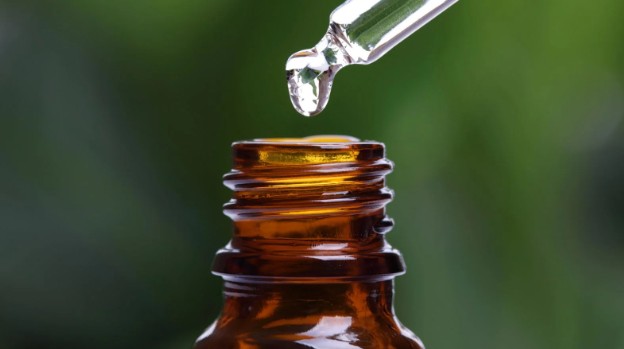
Glass bottles are also useful for prolonging the shelf life, as they do not introduce other compounds to the essential oil the way plastic does. Be sure to buy essential oils in glass bottles that are a dark color, such as black, blue, or amber, as this prevents sunlight from interfering with the oxidation process.
Essential oils that last the longest are those that are of good quality and free from impurities, such as those from Wholesale Botanics. When properly distilled and bottled, you can be reassured that your essential oils will degrade slower than those which are mixed or distilled using other chemicals.
Essential Oil Shelf Life: The Rule of Thumb
Although it’s impossible to determine exactly how long each essential oil will last, certain patterns emerge that may help you to guess.
Generally, citrus oils have the shortest shelf life after opening, of about 1 to 2 years. This includes oils such as lemon, grapefruit, and bergamot. Fresh woods and needles, such as pine and cypress, also have short shelf lives. As a rule of thumb, bright, fresh scents tend to have relatively short lifespans.
Most essential oils derived from herbs and flowers have a medium shelf life, about 2 to 4 years. This is because they are quite chemically stable.
Essential oils with the longest lifespan are those derived from woods or roots; anything with a deep, earthy scent. Examples include sandalwood, frankincense, and myrrh. They typically last up to 4 years or more, and some even improve with age.
Do Essential Oils Expire? Using Quality Products
So, do essential oils expire? Not really, but as a result of oxidation, they do reduce in quality over time and become less potent. When purchasing essential oils, be sure to get those that are pure. Keep them stored in dark glass bottles to further improve their shelf life and allow them to last as long as you need them to.
Write and Win: Participate in Creative writing Contest & International Essay Contest and win fabulous prizes.
About the Author