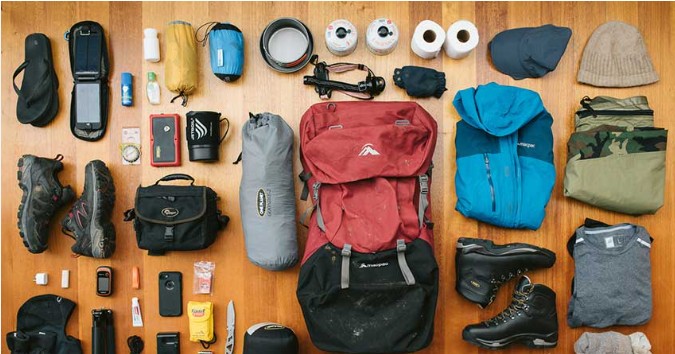
The Annapurna Base Camp Trek is one of the most trekked Himalayan trails in Nepal, which requires proper packing to keep your journey an experience of comfort or toughness. The marathon course meanders through subtropical forest and terraced villages prior to the arid high-alpine glacier basins.
Your ABC Trek packing list has to be seasonal due to these changes. The teahouse amenities had become more sophisticated and the trails better defined than on previous expeditions during the 2026 season, but things remained inconsistent day by day, so savvy packing for camp remains an integral strategy for any safe and successful trek.
Must-Have Clothing for the Annapurna Base Camp Trek
Clothing being a big concern in the Annapurna Base Camp Trek packing list is nothing but a result of the variation in temperature from daytime to night. Your base layers, for example, are designed to draw moisture away from the skin. All the layers might not be necessary, but a fleece or insulated jacket will definitely be required in order to stay warm on the cold mornings/evenings (high altitude of Annapurna Base Camp).
A waterproof and windproof outer shell that protects you from rain, snow, or hurricane-force mountain winds. It consists of basic clothing supplemented with trekking trousers, thermal wear, gloves or mittens, and warm socks, plus a few other garments. Winter is the same; nights can get cold, whereas daytime weather can be hot. In this condition, layering comes in handy.
Footwear and Trekking Gear Essentials
- Head cross 01, ABC trek. We suggest ultra-tiny versions of water-resistant walking-style boots with effectively supportive ankles.
- Few really well-fitted boots, which give you the best balance of stability against injuries on rugged trails.
- Trekking socks are built to avoid blisters on long walks while varying from the perfect sock for your climate and the weight and temperature range of boots.
- Get Hold of a Pair of Trekking / Hiking Poles. If you can find one, trekking poles are also really useful to bomb up and down the steep slopes for balance.
- This cuts down on the stress that trekking poles put on knees, particularly when hauling downhill.
- Yes, you need to carry an ultra-light rucksack with a rain cover.
When hiking and trekking, the importance of your gear & shoes is crucial because it is those few days when you should not worry about anything else but comfort, safety, and durability.
Spring Packing: March to May
The second-best trekking season is spring, with moderate temperatures and blooming rhododendrons, and the weather at the Annapurna Base Camp Trek tends to be stable. But the mornings & evenings remain pretty cool. For lightweight day hikes, you could wear a bite from the sun; though great during the daytime, it can be cold at night and would require a further layer that will keep you warmer.
Therefore, a warm down jacket is plenty for the highest altitudes. Himalayan altitude: Higher sun exposure, therefore proper sunglasses, sunscreen, and a hat while trekking. Spring comes in another trekking season, during which you will be all day strolling, so your responsive, relaxed, and breathable equipment docs also serve to cool down in quite hot weather with moisture.
Package list for the Summer and Monsoon Season (usually from June to August)
With these, every one of the prescriptive trails getting to and from the foreshore clarifies your heading down along to transient, a distinct advantage through the unaudible nine shoes on due to the monsoon; there are increments of such extreme total precipitation that may be difficult to tolerate. Well, it is that time of year when waterproof gear seems de rigueur.
Be ready with a good rain jacket, and you will be thankful for the waterproof pants and rain gear in your rucksack. Likewise, take quick-dry garments since, while it could look tempting and muggy, with the dampness devouring, it would not be too much unpleasant work. Not trapping lice with insect repellent. They moderate heat yet lead far better tumble-starving lyophilized foods; fair-weather opportunities carry it, so depict significant annual wardrobe sporting shoes, etc., somewhat dry.
Autumn Packing List (Sept-Oct-Nov)
Spring (March to May)—This is one of the most popular trekking seasons, with good weather and views, and autumn (October to November), which is also peak trekking season. Always layer this time of year; it may be pleasant during the day but cold at night up in the mountains. Wear a medium-fill down jacket & thermal base layers. You need gloves and beanies to get out the door in the morning. This is a very scenic and photogenic view, so most of the trekkers carry cameras or smartphones with backup batteries on this trek. Packing for fall is toeing that difficult line—cool during the day but warm at night.
Packing List for Winter (December — February)
The Winter Annapurna Base Camp Trek is a cold destination and needs to be well prepared for trekking, so even if it is fitted, anybody can pursue short-term (PMD) day evenings. Rocks will soon be frostbound, and peak temperatures convert to below the stove. That means a real coat, an ultra-warm down jacket, thermal underlayers, heavy woolen socks, and insulated gloves.
A minimum of an inflatable sleeping bag for cold in low-temperature conditions at the maximum comfort level. And that outer shell is designed to handle severe mountain winds. The cold winter means that the right gear is essential, as these more lightly trafficked terrains on snow and ice are much harder to walk on.
Trekking Accessories and Personal Items
Apart from the costumes, some essential accessories also have to be referred to in the Annapurna Base Camp Trek packing list. A water bottle or hydration system that is insulated and/or keeps you hydrated on long trekking days (often in the 30+ degrees Celsius range). Tablet / water purification filter—make sure we can drink water. Those who enjoy getting a head start on their hikes before daylight or the night owls who stick around at the teahouse need a headlamp. Sunscreen, lip balm, and shades are also essential due to the UV rays at high altitude. An attachable mini first-aid kit, as well as altitude sickness, painkiller, and blister treatment, are alternatively recommended in Safety Advanced Everyday.
Travel permits, permissions, and money
One of the significant permits while applying for a trek is the Annapurna Conservation Area Permit (ACAP) and the TIMS card in Nepal. Trekkers must apply at the risk-management office before entering the trek; permission to enter this conservation area will be granted through a system.
- A genuine passport (with adequate validity) is needed for visa and entry allow checking
- Photos for permit and residence form in passport size
- Money exchange is in Nepalese rupees; there is no possibility to find ATMs on the trekking route.
- Small bills will be more comfortable for you if you need tea houses, meals, and snacks (Tipping services)
- I need not elaborate on this (but here I am); get travel insurance too. Insurance for the entire range of your hiking and high-altitude trekking coverage also includes emergency evacuation.
Final Thoughts on Annapurna Base Camp Packing List
You’re at the correct place: Helpful Information for Annapurna Base Camp Trek to Pack the Essentials! Even though the Annapurna Base Camp Trek packing list for both periods requires adventure time around the Himalayas, it’s important to be safe and rather humorous with ropes. Spring and fall require layering up right across the layers, but with winter weight as well as waterproof wraps.
Packed smart = light smocks + per-weather trek gear. Top of the line, Annapurna Base Camp Trek is still one of the most rewarding trekking tours in Nepal, and even with proper preparations, trekkers can take full advantage of this experience by enjoying something that made him/her like a godly being in this afterlife (Scenery, Culture & Adventure to Annapurna Base Camp 2026)
Write and Win: Participate in Creative writing Contest & International Essay Contest and win fabulous prizes.
About the Author