Silver can diversify a portfolio, but the way it is bought affects cost, storage, and access. For investors planning regular purchases, digital silver can remove several barriers linked to coins, while physical pieces provide direct possession.
Neither option suits every buyer. The choice depends on purchase frequency, budget, resale plans, and how much control the investor wants over the metal.
Compare the Cost of Each Purchase
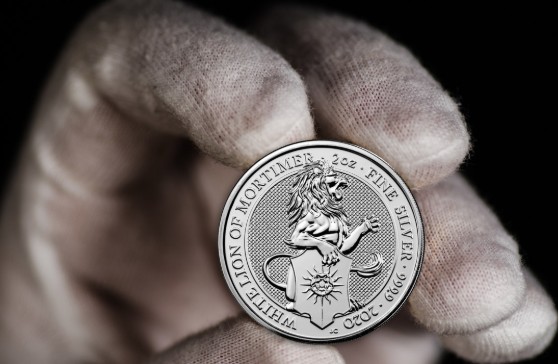
Silver coins usually cost more than the raw metal value. The final price may include minting, dealer margin, payment charges, and delivery. Collectible designs can add a premium that may not be recovered during resale.
These costs matter for regular investors. Buying one coin every month can create a higher average cost per gram than adding the same amount to a digital balance.
Digital services may also charge a spread or transaction fee. Compare the live buy price with the sell price before purchasing. The gap shows how much the market price must rise before the position reaches break-even.
A useful comparison should include all expenses connected with buying, holding, and selling:
- purchase premium above the current silver price;
- difference between the buying and selling quotes;
- transaction or payment charges;
- vault storage and insurance costs;
- delivery or redemption fees;
- minimum amount required for each purchase.
A low entry price can lose its advantage when fixed charges apply to every transaction. Calculate the annual cost based on the planned number of purchases, not only the first order.
Fractional Purchases Suit Smaller Contributions
Coins are sold in fixed weights, so the buyer needs enough cash for the chosen product and its premium. A monthly contribution may not match the price of a full coin after a strong rise in silver.
Fractional ownership lets the investor buy by value rather than product weight. The contribution can remain consistent even when the silver price changes. This suits salary-based investing and gradual purchases.
The OGold silver service purchases can start from 1 AED and that each gram is backed by certified 999 silver stored in audited, insured vaults. It also provides live prices and trading during weekends and holidays.
Choose an amount that does not reduce emergency savings or create pressure to sell during a price decline.
Storage Changes the Real Cost
Physical coins need secure storage. A home safe involves an upfront cost and may affect insurance. A bank deposit box or private vault can add a recurring charge and limit access outside opening hours.
Condition also affects resale. Scratches, damaged capsules, missing certificates, or poor handling may reduce buyer interest. Coins should remain protected from moisture and unnecessary movement.
With a digital balance, storage is handled by the provider. The buyer should verify where the bullion is held, whether it is insured, how ownership is recorded, and whether audits confirm the backing.
Digital storage reduces personal handling and theft risk at home. It also means the investor depends on account security, service continuity, and redemption rules.
Resale Speed and Access to Funds
Selling coins may require a dealer visit, product inspection, price negotiation, and secure transport. A dealer may offer less for damaged pieces or small quantities.
A digital balance can usually be sold in smaller portions. This helps when the investor needs a specific cash amount but wants to keep the rest of the holding.
Before opening an account, check when sale proceeds become withdrawable and whether bank transfer fees apply. An instant sale does not always mean immediate access to a bank account.
OGold users can sell silver through the app at live spot prices with instant settlement. The service also lists verified pricing and low spreads among its selling features.
Choose Based on How You Plan to Use Silver
Coins suit buyers who value direct possession, want a tangible long-term holding, or plan to give silver as a gift. They also suit investors prepared to manage storage and resale.
Digital ownership fits regular contributions, flexible purchase amounts, partial sales, and mobile account access. It reduces the need to arrange a physical purchase each month.
A combined method can cover both priorities. Small contributions can build a digital balance, while selected amounts can later be redeemed or used to purchase physical bullion.
OGold offers certified silver: live pricing, fractional access, insured vaults, and app-based selling support a consistent buying routine while leaving each investor in control of contribution size and timing.
Write and Win: Participate in Creative writing Contest & International Essay Contest and win fabulous prizes.
About the Author