Civilizations are rememberd not just for the monuments it built but for the preserved values. Among the various cultures, Hindu culture stands out as a signal symbol of wisdom, humanity and spirituality. At the soul of this rich heritage shines Diwali “the festival of lights” a celebration that goes beyond time, geography and generations.
In today’s world where rapid technological advancements and dynamic social landscapes exists, few cultures have preserved their essence while adapting to the modern world. Hindu culture is one of those cultures. It’s not just a religion or custom but it’s a historical legacy that has prospered continuously for millions of years. Rich in philosophy, art, literature and ethical lessons Hindu culture has intensely affected human civilization and continues to aspire millions around the globe.
A glimpse of Diwali
Among the countless festivals that adorn the series of festivals, Diwali has its own magnificance. It is popularly known as the festival of lights. Diwali is much more than a celebration marked by lamps, and crackers. It embodies Hindu cultural values and quest for virtue, wisdom and hope. It is a festival where mythology tangles with history, spirituality blends with celebration.
History of Diwali
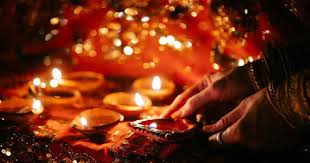
The story of Diwali initiates in the sacred corridors of Hindu mythology. The most famous narrative is found in the legendary Ramayana, according to this literary masterpiece of human civilization, lord Rama who is considered as a statue of righteousness was been on exile from his kingdom of Ayodhya for 14 years and was accompanied there by his arthangini Sita and Lakshmana. He endured numerous hardships before confronting Ravana and defeating him. Following this victory of goodness over evilness, lord Rama returned to Ayodhya. The citizens of kingdom overjoyed and lightened “diyas” in the whole Kingdom to welcome their beloved king. That night sparkled like a group of stars spread upon Earth and thus began the tradition of Diwali.
Different reasons for different people
The glory of Diwali is that it means different things to different people. For some, it’s about the story of arrival of goddess Lakshmi out of the ocean, who is considered as the goddess of good fortune and wealth and she is the ultimate symbol of a good life. In other parts of India it’s about lord Krishna beating a demon named narakasura which shows that good always wins over evil. Even though every part of India has different reasons to celebrated they all believe in the same basic idea that is light is far better than darkness, hope is better than feeling hopeless. This festival is a time period when people come together to celebrate the good thing in their life. Whether it’s about goddess Lakshmi, lord Krishna or lord Rama Diwali is the joystick festival of the human spirit that highlights the idea that we can overcome challenges and find happiness.
Successful blend of ideas: Diwali
Diwali is more than just a story from ancient times. It’s really about what Hinduism is all about. In Hindu culture, people focus on 4 main ideas to survive- doing the right thing, being successful, finding happiness, and being free. Diwali is a successful blend of all four ideas. So Diwali isn’t just a celebration but it’s a medium for Hindus to show what they believe in and what they hope for.
DIWALI : ETERNAL FESTIVAL
Diwali is really important to preserve our cultural heritage alive. Such festivals are great teachers that helps younger people connect with where their ancestors belonged. In today’s world where everything is becoming more alike, Diwali is the only way to keep our old wisdom into this modern era. Its a way to make sure that the past is still important and easy to understand. By celebrating Diwali, we can stay devoted to our ancient culture’s roots while being a part of this community. Not only that, it contributes to a country’s social and economical development. This festival stimulates business activities and transactions, support artists and generates employment opportunities. Markets have extreme hustling bustling as people purchase new clothes,decorative items,sweets and gifts. Thus, Diwali doesn’t only highlights spiritual life but it’s a great positive indicator to growing economies.
Diwali : Celebration of Art,Knowledge and human creativity
Another remarkable edition of this festival is its importance of excellence in artisry and human creative nature. Throughout ancient history, Hindu culture has seen art not just as a form of entertainment but as a sacred dedication and devotion. During diwali, this philosophy is reflected in people’s outfits. Homes become adorned with beautiful decorations and intricate rangoli designs which the people made with flowers, colours and a lot of positive vibes. These holy creations showcase the positive vibes and welcoming a lot of blessings from gods and goddesses. Music and dance also has a signifance place in the celebration of any festival. Traditional sacred songs, performances and gatherings creates an atmosphere of joy, excitement and positivity. These expressions helps in deepening of community bonds and preserve our traditions.Through storytelling and dramatic ways to showcase, based on Ramayana and other holy books, diwali helps in transformation of culturistic knowledge into a living experience. More importantly, it serves as a symbol of eternal importance of education and enlightenment. In hindu’s philosphical language, true light is not merely an illumination of lamps but its a light of wisdom in ancient culture and learning. Students often plan their comeback during this festival because they have seeked the blessings of gods and goddesses which is considered as a sacredest blessing ever.This festival broughts a spirit of being generous towards needy people. Many individuals and organisations distribute food, clothes and essentials to the underpriviledged people, they don’t want to show their richness by this, but they want to make sure that diwali should reach every part of society. Such acts reflect that Hindu culture is not about just festivals but it provides deeper insights into every festival.
5 sacred days of Diwali
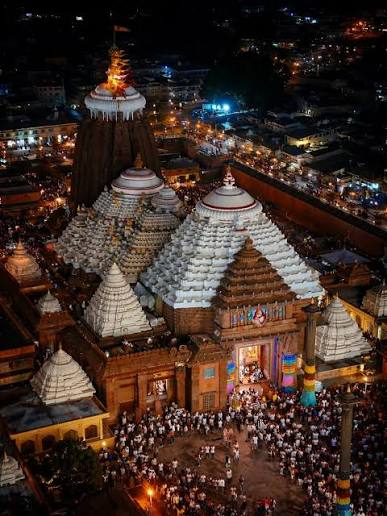
Diwali is a big deal-it’s celebrated over 5 special days and each one has its own story to tell, which starts with Dhanteras, which is all about good fortune and being healthy. People get their homes ready by cleaning and decorating them and it is done for getting rid of the bad vibes spread in their homes. Then their narka chaturdshi the second day which action as a reminder that being brave and continuously doing the right thing without any break can help you overcome the toughest problems. The third day marks the grand celebration of Diwali. Homes, streets, temples, markets are glorified with lamps, Rangoli and decorations. Every place is full of good Vibes. Families come together to do Lakshmi puja at night and seek positivity from gods and goddesses for their success. The lamps which people bought are not just meant for decoration, but they highlights the light of knowledge over the darkness of ignorance. The fourth day is a celebration popularly known as Govardhan Puja. This day is all about being grateful,humble and having faith. Then there’s the last day, bhai dooj,a special occasion for brothers and sisters to showcase the devotion and faith in each other. When we put these five days of Diwali together, you get a beautiful ocassion that is both historical and memorable which is about spirituality, humbleness and kindness.
Irrespective of economic status: Diwali
Diwali is really special because it doesn’t discriminate the people on basis of where they come from or their economic status. In a country like India, where there are countless languages or traditional communities, Diwali is something that everyone can share. It’s known as a historic day in Hindu culture. It didn’t askwhether you reside in a village or big city, this festival produces an atmosphere where everyone feels connected to each other. When a person sees the people smiling and celebrating together, it produces a sense of calmness that goes beyond all things that makes us humans separate.
Diwali: Then v/s now
Historically Diwali has evolved while conserving its core ethical values. In ancient times celebrations were by simplicity and spiritual devotion. Earthen lamps lighten up the humble cottages of people and communities gather for prayers and cultural performances. During medieval periods Royal courts perform Grand celebrations which are up to the mark featuring music, dance and royal food. The modern celebrations reflects both dynamic nature and continuity of values. Today is the time for technology advancements so streets sparkle with decorative lights and the things which were evolved with technology improvements. Yet despite these innovations the significance of Diwali remains unchanged.
Conclusion
In conclusion, Diwali isn’t just a random festival but it’s a sparkling manifestation of Hindus culture’s wisdom and ethics.Grounded in ancient mythology and yet extremely meaningful in the modern world, it’s celebrates the triumph of lights over darkness, knowledge over ignorance and goodness over evilness. Through its good deeds, Diwali continues to aspire individuals and community across continents.
“As the diyas fade and fireworks fall silent, the true light of Diwali continuous to grow in our hearts, guiding us towards gratitude and fresh start.”
Thank you!
By: HIMANI
Write and Win: Participate in Creative writing Contest & International Essay Contest and win fabulous prizes.
About the Author