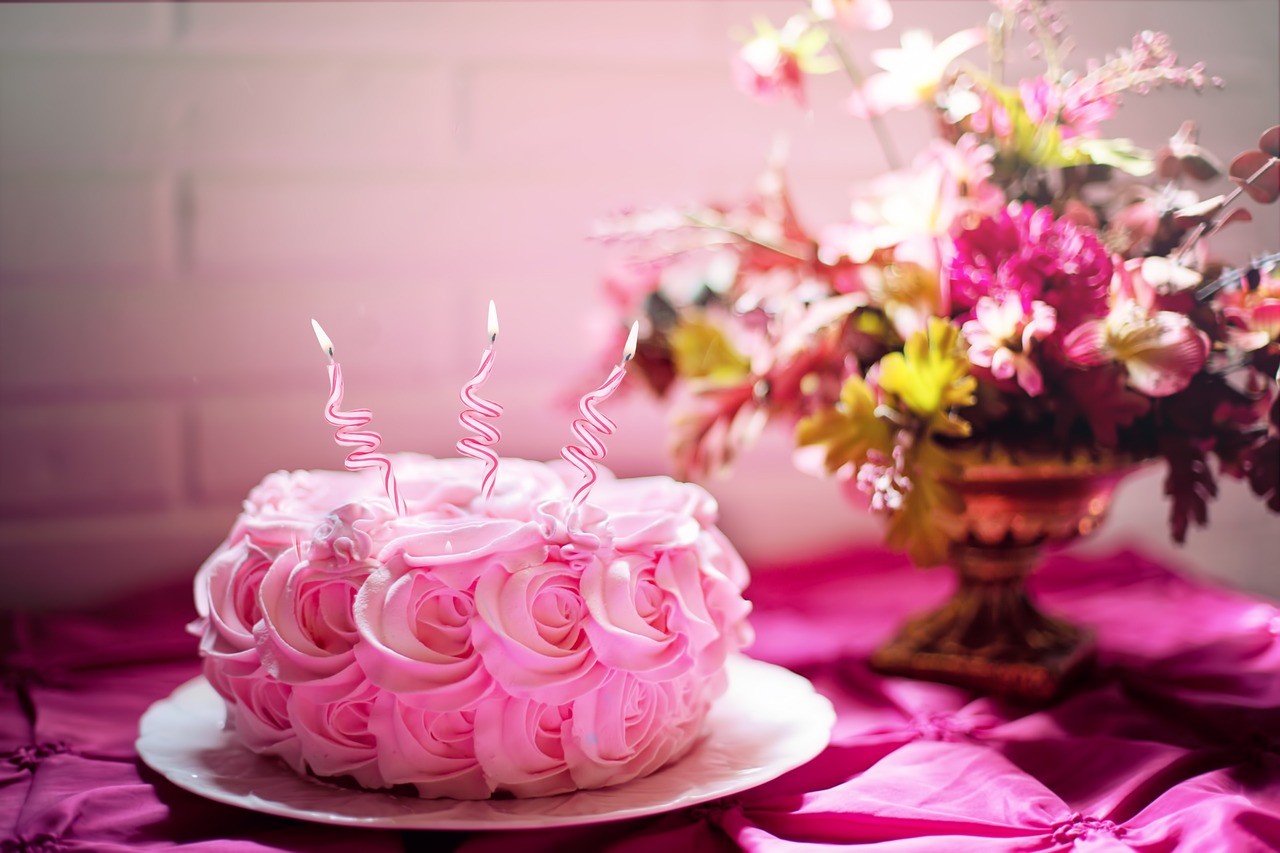
The majority of birthdays commemorate the conclusion of another year, but Suyeonrye honors the weight of a whole life. Suyeonrye is a customary ritual performed in Korea to celebrate the longevity and good health of seniors, particularly on significant birthdays beyond the age of sixty. It can initially appear to be an ordinary birthday celebration, complete with food, family, presents, and congratulations. However, Suyeonrye was never only about age. Suyeonrye grew out in a culture where age and family were deeply connected. Celebrating an elder’s long life was not only a way to say “happy birthday.” It was a way for children to thank their parents, for families to show respect, and for the community to recognize that growing old carried meaning and honor. Yet Suyeonrye has changed greatly in modern Korea. Suyeonrye has changed from a public obligation to a more private and voluntary family celebration as life expectancy has grown, households have shrunk, and individuals have started to prioritize practicality above formal ceremony. Its evolution shows how Korean culture has reinterpreted family, respect, and tradition over time, as well as how Koreans honor longevity.
It is necessary to first explain the value of a long life in order to fully understand Suyeonrye. In the past, when life was generally riskier and medicine was not as developed, living a long life was not something that people could take for granted. Longevity was therefore considered to be one of people’s greatest blessings. This belief shaped the way Koreans celebrated older people. To live long was not only a private achievement; it was a fortunate event for the whole family. An elder’s long life meant that the family had been able to preserve its generations, memories, and relationships. Therefore, Suyeonrye was not only a celebration of one person’s age. It was a celebration of survival, continuity, and the hope that the elder would continue to live in good health.
Hwangap, the celebration of a person’s sixtieth birthday, was one of the most significant aspects of Suyeonrye. The cycle of the traditional East Asian calendar is sixty years. This meant that a person returned to where they were at the beginning of the cycle when they turned sixty. Hwangap was therefore regarded as more than just an ordinary birthday. It suggested that a person had completed one full cycle of life and was beginning on a new one. This was particularly important in the past since people didn’t live as long as they do now. Reaching sixty was something to be sincerely grateful for. Through Suyeonrye, the family not only celebrated the elder’s age. They also recognized the senior as someone who had lived for many years and deserved special recognition. In this sense, Suyeonrye elevated old age beyond a mere number to something honorable.
Suyeonrye is usually prepared by the elder’s children. They cooked food, invited family and neighbors, and set up a venue where the senior could be publicly recognized. The event demonstrated how children fulfilled their commitments to their parents while also pleasing their elders. Confucian family principles influenced Korean society heavily, with children encouraged to admire and care for their parents. Suyeonrye made this obligation clear. A family that hosted a decent celebration demonstrated that it respected its elders and followed established family procedures. Suyeonrye was more than just a private occasion because it was a public expression of the family’s values.
The cultural meaning of Suyeonrye was complex because it combined several different forces at once. It expressed children’s respect for parents, but it also included prayers for a longer life. Families did not only celebrate the years the elder had already lived; they wished for more years to come. The ceremony also reflected family honor and social status. A large feast could show that a family had wealth, influence, or many devoted descendants. At the same time, Suyeonrye relied on cooperation. In the past, huge family gatherings frequently needed assistance from relatives, neighbors, and community members. People helped out with cooking, preparing, serving, and hosting, not usually for compensation, but because they were part of a network of mutual help. This kind of non-monetary labor exchange made Suyeonrye a community event as much as a family event.
This point makes Suyeonrye especially interesting. The celebration was created from a combination of love, duty, social pressure, belief, status, and cooperation all at once. A child may have wanted to honor a parent sincerely, but the ceremony also carried expectations from the family and society. A feast may have expressed gratitude, but it could also display the family’s wealth. Neighbors may have helped out of kindness, but their help also belonged to a wider expectation of exchange. This complexity shows that traditions are rarely simple.
They are not only beautiful customs preserved from the past. They are also systems that reveal how individuals manage their relationships, commitments, and power. The attire and ceremonies associated with Suyeonrye illustrate the deeper significance of age in Korean culture. One unusual custom was that if a person’s parents were still living when they turned sixty, the celebrant could wear clothing comparable to children’s ceremonial robes, such as an obangjang durumagi, jeonbok, and bokgeon. At first, this may appear strange because why would a sixty-year-old dress like a child for a ceremony for elders?
The meaning inside is actually very symbolic. In front of one’s parents, even an elderly person is still a child. This custom showed that age was relational. A person could be old in society, but still remain someone’s son or daughter within the family. This is one of the most beautiful and unusual details of Suyeonrye because it shows that Korean age culture was not only about hierarchy. It was also about remembering one’s place in a tree of generations.
This idea was connected to the story of Noraeja, a famous figure known for trying to make his elderly parent happy even when he himself was old. The custom of wearing childlike clothes at Hwangap reflected this spirit. It showed that respect for parents did not end just because the child had grown old. In fact, the older the child became, the more visible the relationship between generations became. Suyeonrye therefore celebrated two things at the same time: the elder’s new social honor and the continuing bond between parent and child. It reminded people that family identity does not disappear with age. A person may become an honored elder to younger generations, but before their own parents, they remain a child.
But gradually, Suyeonrye’s meaning began to shift. The first is the passage from the sixtieth birthday, Hwangap, to the seventieth birthday, Chilsun. Sixty was a big milestone for a person. It meant that someone was old. As Koreans began to live longer, the meaning of Hwangap changed. It is something that used to be a rare achievement, but now it doesn’t feel so much like the beginning of old age as many people in their sixties are nowhere near the image of old age.In this sense, families are more inclined to consider later birthdays like seventy, eighty, or ninety as more meaningful milestones of longevity.
Another major change is the shift from large feasts to more practical celebrations. In the past, Suyeonrye was often centered on a formal party with many guests and carefully prepared food. These days, families can have a smaller family dinner, rent a buffet hall, celebrate at a restaurant, or take the senior on a trip. Some families believe that memories are more significant than rituals, thus they would rather go celebrate only within the smaller family. Some decide to eat at restaurants or buffets since preparing a large dinner at home is too difficult. This alteration mirrors the tempo of modern living. Many families live in apartments, relatives may be dispersed across many cities or countries, and people have demanding jobs and obligations. A large traditional feast is not always realistic anymore.
The movement from homemade food to professional food also reveals a change in family labor. Behind a traditional family celebration, there was often invisible work. The feast did not just appear. It had to be prepared, organized, served, and cleaned up after. This duty was mostly carried out by women in many homes, which meant that a ritual intended to celebrate one family member may become stressful work for others. However, women’s lives have changed a lot in modern Korean society. There are fewer assumptions that women’s lives should revolve around household chores, and more of them seek higher education and employment. As a result, women are less expected to prepare elaborate family rituals at home. Restaurants, buffets, and professional cooks not only make Suyeonrye more convenient, but they also show how the structure of family labor has changed.
Because the definition of family has evolved, Suyeonrye has also changed. Larger and more hierarchical households were common in traditional Korean culture. Extended relatives were heavily involved in family gatherings, and many generations lived close to one another. However, nuclear families are more typical in contemporary Korea, and many people don’t live with their grandparents, aunts, uncles, or cousins. Family life has become less tied to the local community and more private as a result of urbanization. As a result, Suyeonrye is now more of a private family occasion than a public communal celebration. The goal has shifted from demonstrating societal order to providing the senior with a meaningful experience, and the guest list has shrunk.
These changes indicate that Suyeonrye is becoming more of a personal celebration than a required ceremony. It was a symbol of the elder’s higher status in society, and it confirmed the children’s respect for their parents in the past. But the meaning of that significance is blurred. Children do not have to arrange a public celebration to demonstrate their respect for parents, and one does not have to have a formal ceremony to be recognized as an elder. Respect no longer has to be proven through a large public ceremony because it can also appear in smaller, everyday acts of care. In this respect, Suyeonrye has not vanished, but its function has changed. The way people love each other in the family is more important than the social obligations.
This change is indicative of a more general change in Korean culture. In Korea, family love is now expressed in more intimate and useful ways than in the past, when societal norms tightly defined family obligation. Performing the “proper” ritual was important in old culture since it demonstrated that the family adhered to the established structure. What counts more in today’s culture is if the celebration has value for the participants. Even while a family vacation might not have the same formal appearance as a conventional feast, it can nevertheless convey appreciation. Even if a simple dinner doesn’t demonstrate prestige, it may still commemorate the life of an elderly person. Although the form has changed, the desire to show respect has not entirely disappeared.
As a result, Suyeonrye should not be seen as a tradition that has just faded. It changed as a result of transitions in Korean culture and families. Shorter life expectancy, vast family networks, communal labor, Confucian family expectations, and open displays of respect were all factors that influenced the ceremony in the past. Longer lifespans, fewer families, urban lifestyles, shifting gender roles, and greater individual choice are some of the factors that have formed modern Korea. Suyeonrye was unable to stay exactly the same as a result. The primary question of how a family should respect a life that has lasted long remains, even though its form has grown more subdued and adaptable. Suyeonrye continues to demonstrate how Korean culture gives age, respect, and family memories importance, whether it is honored with a big feast, a buffet, a restaurant dinner, or a family vacation. For this reason, Suyeonrye is more than just a birthday celebration. It reflects Korean tradition and shows how culture continues by changing to fit the lifestyles of people who continue to practice it, as opposed to staying trapped in the past.
By: Christina Kim
Write and Win: Participate in Creative writing Contest & International Essay Contest and win fabulous prizes.
About the Author