Going shoe shopping used to mean choosing from shoes that had already been mass-produced months in advance. That is starting to change. Brands are increasingly using 3D printing to make footwear, creating new ways to approach cushioning, structure, and fit. 3D printed footwear is no longer limited to experiments or prototypes. You can now find the technology in everyday trainers, slippers, and other types of footwear. So how does this change the way shoes are made, and what does it actually mean for the person wearing them?
(Alt text: 3D Printing Shoes)
What Are 3D Printed Shoes?
A 3D printed shoe is made from a digital design rather than being cut and assembled from multiple pieces of fabric, foam, and rubber.
- The shoe is created from a digital file using a 3D printing process.
- Some designs can combine the sole, midsole, and upper into one structure.
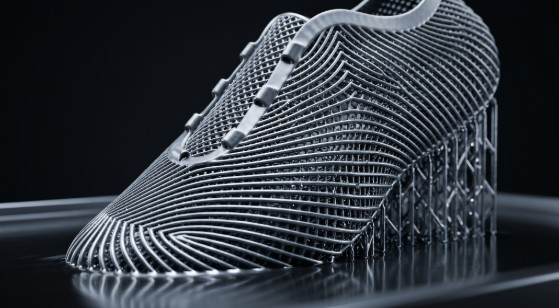
- The internal structure can use a lattice pattern instead of solid foam.
- Not every 3D printed shoe is fully printed. Some brands use 3D printing only for certain parts.
That last point is worth checking before buying. The term “3D printed” can describe different manufacturing approaches, so the actual construction matters more than the label.
(Alt text: 3D Printed Shoes)
How 3D Printing Is Changing Shoe Production
3D printing changes more than the appearance of a shoe. It can also change how footwear is designed and produced.
- Material use: Traditional manufacturing often involves cutting shapes from larger sheets of material, which can create leftover waste. Printing can build the required structure more directly.
- On-demand production: Brands can potentially produce footwear closer to when it is ordered instead of manufacturing large quantities months in advance.
- Design flexibility: A digital design can be adjusted without completely changing the manufacturing process. This gives designers more freedom to experiment with structure, cushioning, and flexibility.
- Consistent production: When the same digital file is used, each pair can follow the same basic design and structure.
These changes are particularly useful when designers want to create structures that would be difficult to produce using conventional manufacturing methods.
What 3D Printed Shoes Can Offer
The benefits depend on the design, but some features can be useful in everyday footwear.
- Lower weight: Open lattice structures can use less material than solid sections, helping reduce the overall weight of the shoe.
- Airflow: Open structures can leave more space for air to move through the footwear.
- Structured cushioning: A printed structure can be designed to provide cushioning without relying entirely on a thick layer of conventional foam.
- Consistent construction: Using a digital design can help maintain the same basic structure from one pair to another.
If you’re comparing different options before buying, it helps to look beyond the 3D printing label. This best 3D printed shoes guide can help you compare different designs and decide what features matter for your needs.
How Nexbie Uses 3D Printing for Footwear
Nexbie takes a more direct approach to 3D printed footwear, using its HALS DLP printing process to create shoes as a continuous structure.
Rather than assembling multiple separate components, the process allows different areas of the shoe to be designed with specific functions. This can include areas intended for cushioning, flexibility, or support.
(Alt text: Nexbie 3D Printed Sneakers)
Some features of Nexbie’s approach include:
- One-piece construction: The footwear can be produced as a continuous structure instead of relying on separate bonded sections.
- Zoned lattice design: Different parts of the shoe can use different structures depending on the intended function.
- Consistent finish: The printing process is designed to produce a smoother finished surface.
- Different footwear types: The range extends beyond sneakers to include slippers and other footwear.
The interesting part is not simply that the shoes are printed. It is what designers can do with the structure once they are no longer limited to conventional layers of foam, fabric, and rubber.
What This Could Mean for the Future of Footwear
3D printing is unlikely to replace every traditional shoe manufacturing method overnight. Conventional production is still widely used and works well for many types of footwear.
The bigger change may be in how certain shoes are designed. Digital manufacturing gives brands more freedom to experiment with shapes, structures, and material use. It can also make smaller production runs more practical.
For shoppers, that could eventually mean more footwear designed around specific uses rather than one standard construction being produced in huge quantities.
Conclusion
3D printing is giving footwear designers another way to approach how shoes are made. Instead of relying entirely on cutting, stitching, and bonding separate components, some designs can be created as more complete structures with cushioning, airflow, and support built into the design itself. The technology is still developing, and not every 3D printed shoe offers the same benefits. That is why the actual construction matters more than the label. If you’re considering 3D printed footwear, look at how the shoe is made and whether its design suits the way you plan to wear it.
Write and Win: Participate in Creative writing Contest & International Essay Contest and win fabulous prizes.
About the Author