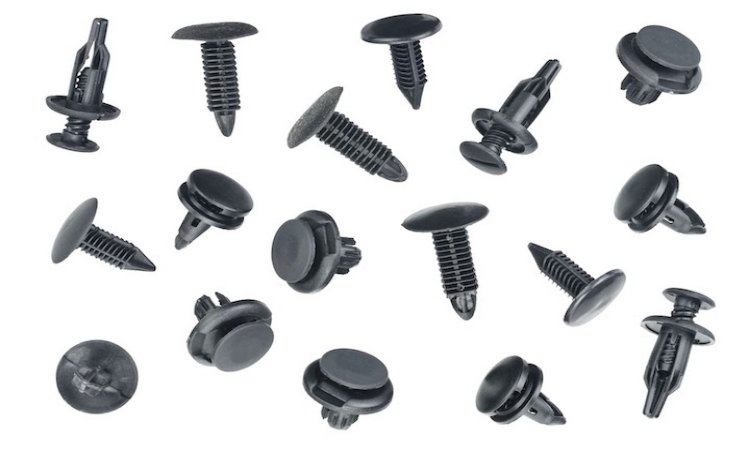
Modern vehicles utilize combinations of materials and ingenious designs to characterize performance, safety, and styling. A step in this multi-faceted process is consideration of the primary method that holds the vehicle components together. And there are plastic automotive fasteners for this purpose. These small yet powerful parts keep everything in place, from the dashboard to the bumper, and they have a much bigger role than what is commonly known to the general populace.
Why Do We Use Plastic Fasteners for Vehicle Purposes?
Plastic fasteners spot metal ones in different parts of a car. They are lighter in weight, less expensive, and hold out against rust. Fuel efficiency and ease to construct are contributed to by all these aspects. If there is wiring or sensors nearby, it can be safer to resist conduction since plastic fasteners do not conduct electricity.
The common types of plastic fasteners
There are many kinds of plastic fasteners used in an automobile. Each type serves a different purpose, depending upon its installation site and what it is supposed to fasten.
Push Rivets
These are used in situations where two panels must be joined. They just get pushed into a hole and snap into place. Commonly, push rivets are situated in car doors, trunks, and panels where a tight but simple connection is needed.
Panel Clips
Panel clips keep door panels or dashboard trims fastened. They are designed to firmly clasp the items without harming them. During repairs or replacement of parts, they are usually very easy to remove and reuse.
Cable Ties and Harness Clips
Cable ties and harness clips secure wires into neat and safe bundles. They are a form of plastic fastener for organizing and securing wires so that they do not get tangled or damaged. They are particularly useful in the engine compartment or under the dashboard.
Grommets and Seals
The fasteners protect the openings in metal parts where cables or tubes pass through. The plastic grommet provides cushioning for the cable and keeps the hole closed against dust, water, or heat. These fasteners help to improve safety and performance.
Retainers and Trim Fasteners
These fasteners are used to hold trim, bumpers, or sometimes headlights in place. They provide a secure fit, resisting vibration and movement.
Benefits in Modern Vehicle Design
With plastic fasteners, car manufacturers are able to build lighter and more efficient vehicles. Being plastic, they do not rust, thereby opening up a longer lifespan with less maintenance. They also aid in fast assembly and disassembly of parts, saving time when repairs or upgrades are being undertaken.
Conclusion
They might be small, but plastic automotive fasteners go a long way in defining modern vehicle design. They hold parts in place, reduce weight, resist corrosion, and make repairs a breeze. From inside the cabin to under the hood, these fasteners work hard to improve safety, intelligence, and reliability for the common road driver.
Write and Win: Participate in Creative writing Contest & International Essay Contest and win fabulous prizes.
About the Author