Maintaining clean and functional drains is crucial for any household. Not only do clear drains prevent unpleasant odours and unsightly overflows, but they are also essential for the smooth running of everyday tasks. Blocked drains can lead to a host of problems, from minor inconveniences like slow water drainage to major headaches such as water damage and costly repair bills.
Blocked drains are an inconvenient fact that most homeowners are familiar with, often resulting in unwanted smells and potential damage. Understanding the common causes of blocked drains can prevent these occurrences. In everyday life, several unsuspecting culprits can lead to blocked drains, disrupting household routines and causing unnecessary stress. The five major culprits—food scraps and grease, hair and soap scum, foreign objects, mineral build-up, and outdoor debris—are often responsible for this annoyance.
To avoid having to spend hours or a significant amount of money on plumbing issues, proactive prevention is essential. Not only can it save homeowners from unexpected expenses, but it also ensures the longevity of plumbing systems. So, here are the top culprits to watch out for and how to effectively prevent them from causing blockages.
1. Food Scraps and Grease Accumulation
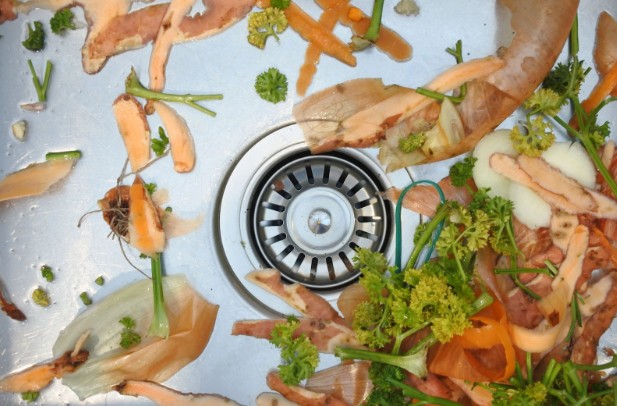
The kitchen sink sees a lot of action, and it’s easy to overlook the small food scraps that slip down the drain during dishwashing. From tiny pieces of vegetables to grain particles, these remnants can gather over time. When these bits accumulate, it doesn’t take long for them to combine with other substances, creating a blockage in the pipeline. Kitchen waste that’s not disposed of properly is one of the top contributors to drain clogs.
Grease is another leading offender. When cooking oils and fats are washed down the sink, they might appear to be liquid, but as they cool, they solidify. This solid formation on the inner layers of pipes narrows the passage for water, leading to clogs. The nature of grease to harden in pipes creates a stubborn blockage, often requiring vigorous cleaning efforts or professional intervention.
To prevent these problems, it is advisable to practice proper disposal habits. Rather than washing food scraps down the drain, scrape leftovers into the rubbish bin or compost. For grease, collect it in a container and dispose of it once it solidifies. Additionally, investing in a sink strainer is a smart move. This small device catches food scraps and prevents them from entering the plumbing system. Regular cleaning of these strainers also ensures they function effectively, reducing the risk of build-up.
Using hot water periodically to flush out minor grease and food deposits helps maintain clear pipes. A simple solution of baking soda and vinegar can be used for regular cleaning to ward off potential blockages. These household items can break down deposits and help maintain a free-flowing plumbing system.
2. Hair and Soap Scum in Bathroom Drains
Hair is an all-too-common obstacle in the bathroom, notorious for causing significant drain blockages. When hair strands are washed down the drain, they tend to bind with soap scum and other residues, forming stubborn clogs. Once tangled and combined with scum, which collects from personal care products—such as shampoos, conditioners, and body washes—these clogs become a formidable foe, often leading to reduced water flow or even complete blockages.
To combat this, using drain covers or hair catchers is extremely effective. These covers trap hair before it can enter the plumbing system, making clean-up easy and quick. It’s important to clean these covers regularly to ensure they do not become a clogging factor themselves.
Personal care products play their part in clogging showers and sinks. Products that contain oils, heavy lotions, or other residue-contributing ingredients can exacerbate the problem. It’s important to consider using biodegradable or lighter options that do not contribute to scum build-up.
For clogs that have already formed, there are effective cleaning solutions available. Enzyme-based cleaners can break down hair and soap scum, restoring proper drainage without harming pipes or septic systems. Alternatively, a homemade mixture of baking soda, vinegar, and hot water can be used to dissolve minor blockages. Regularly performing these maintenance tasks helps keep bathroom drains in optimal condition.
3. Foreign Objects and Toilet Misuse
Toilets are designed only for human waste and toilet paper. However, misuse is a common problem in many households. It’s not uncommon for individuals to flush foreign objects like wet wipes, cotton buds, dental floss, and even diapers down the toilet. The flushing of these items is a quick route to a serious blockage.
Wet wipes, in particular, are marketed as flushable, but they do not disintegrate like toilet paper. When flushed, they pose a significant threat to plumbing infrastructure. Similarly, items like cotton buds and dental floss do not break down and can accumulate, leading to blockages.
Education is key to preventing these issues. All household members, especially children, should be informed about the proper items to flush. Awareness of what not to flush can prevent inadvertent clogs and extend the lifespan of the plumbing system.
Regular inspection of toilets and professional maintenance, such as scheduled plumbing checks, can identify potential problems before they escalate. Catching a minor issue early on can prevent major plumbing disruptions and save considerable time and money.
4. Mineral Build-Up in Hard Water Areas
In areas with hard water, mineral deposits pose a significant threat to plumbing systems. When hard water flows through pipes, it leaves behind minerals such as calcium and magnesium. These deposits gradually build up inside pipes, constraining water flow and eventually leading to blockages.
Recognising signs of mineral build-up, like reduced water pressure or a noticeable build-up around taps and showerheads, can help catch the problem early. If you suspect hard water issues, testing the water hardness with a simple kit available at hardware stores can provide confirmation.
One of the most effective solutions to combat hard water is installing a water softener. These systems remove the excess minerals from the water, helping to prevent scale build-up. While an investment up front, they can significantly reduce the need for frequent plumbing repairs and replacements.
Routine descaling and professional plumbing checks also play a vital role in managing mineral deposits. Descalers, either chemical or electronic, can treat pipes that have already experienced build-up, reducing blockages and prolonging pipe life.

5. Leaves and Outdoor Debris in Gutters
Outdoor drainage is equally important to maintain, particularly at certain times of the year. Leaves, twigs, and other debris from trees are prone to accumulating in gutters, especially after stormy weather. When gutters are clogged, water overflows can lead to leaks, damage to the property’s foundation, and even indoor plumbing issues.
Regular cleaning and maintenance of gutters are essential to ensure they function properly. Clearing gutters periodically, particularly during months with heavy leaf fall, prevents the build-up of debris that leads to blockages.
Installing gutter guards can be a worthwhile investment for preventing blockages. These guards act as barriers, allowing water to flow while keeping debris out. Although they might not eliminate cleaning altogether, they significantly reduce the frequency and effort required.
There is a direct connection between clogged gutters and indoor plumbing problems. When external drainage systems are blocked, it can lead to excess water pressure in household systems, exacerbating potential issues. Taking care of the outdoors is just as crucial for overall home plumbing health.
Final Thoughts: Stay Ahead of Drain Problems
Blocked drains are more than just an inconvenience—they can cause long-term damage, costly repairs, and plenty of frustration. Whether it’s food scraps in the kitchen, hair in the shower, or leaves in the gutters, most clogs are preventable with a little awareness and regular maintenance.
By understanding the common causes of blocked drains and taking small preventative steps, you can protect your home from plumbing disasters.
If you ever find yourself wondering why your drain keeps clogging, don’t ignore the signs. Tackling the issue early—or calling in a professional plumber—will save you time, money, and stress in the long run.
Remember: prevention is always better than repair. A little effort today will keep your drains flowing smoothly tomorrow.
Write and Win: Participate in Creative writing Contest & International Essay Contest and win fabulous prizes.
About the Author