Parking lot damage can leave a careful car owner confused, especially when no note, witness or clear explanation is available. A dented door, scraped bumper or broken mirror may appear minor, yet the repair decision deserves prompt attention.
Insurance may still support an eligible claim even when nobody saw the incident. The outcome generally depends on your cover, available evidence and timely reporting. Knowing the right steps can protect the car, preserve useful details and help prevent avoidable claim delays.
Can You Claim Insurance for Unwitnessed Parking Lot Damage?
A missing witness does not automatically prevent a claim. Your car insurance policy may respond when it includes its own damage cover, and the incident falls within its terms. The insurer will assess the circumstances, damage pattern and supporting records before deciding admissibility.
- Inform the insurer promptly.
- Avoid repairing the vehicle before inspection.
- Share a clear, consistent account.
- Check deductibles and applicable policy conditions.
Claim approval remains subject to verification, policy wording and the evidence available during the insurer’s review process.
What to Do Immediately after Finding the Damage
Stay calm and avoid moving the car until you have checked the surroundings. Immediate action helps preserve details that may later support your account. Remember that third party insurance alone generally addresses liability towards others, not damage to your own car.
- Photograph the vehicle and parking position.
- Note the location and discovery time.
- Inform parking management or security.
- Contact the insurer before arranging repairs.
These steps create a useful record while the incident is still fresh and improve communication with assessors.
How to Gather Evidence without Witnesses
Evidence can come from the scene even when no person saw the impact. Look for practical details that help establish where the car was parked, how the damage appeared and whether another vehicle may have been involved.
- Take close and wide photographs.
- Request available CCTV footage quickly.
- Keep parking tickets or digital receipts.
- Photograph paint marks, debris or nearby objects.
- Record security staff details.
Do not alter the damaged area before the insurer advises you. Keep copies of all requests.
When Parking Lot Damage Is Covered by Insurance
Parking damage may be considered under own damage cover when it results from an insured accidental event or malicious act, subject to the policy terms. Coverage depends on the cause, policy validity, deductibles and any relevant conditions.
- Accidental impact by another vehicle may qualify.
- Vandalism may require supporting documentation.
- Damage from an insured natural event may be considered.
- Normal wear or mechanical failure is treated differently.
Always read the schedule and wording before assuming coverage. Keep photographs and documents organised.
Will You Need to File a Police Report?
A police report is not required for every small parking damage claim, but the insurer may request one depending on the incident. It becomes more relevant where vandalism, theft, serious damage, suspected criminal activity or an unidentified offending vehicle is involved.
- Ask the insurer whether reporting is necessary.
- Inform local police when circumstances reasonably require it.
- Keep the acknowledgement or report copy.
- Describe facts without guessing.
Requirements can vary, so follow the insurer’s instructions and applicable local procedures as advised.
How Insurers Investigate No-Witness Parking Lot Claims
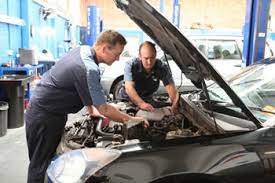
Insurers usually examine whether the reported event matches the visible damage and policy cover. A surveyor may inspect the car, review photographs, study the repair estimate and ask how and when the damage was discovered.
- Damage location and impact pattern may be checked.
- CCTV or parking records may support the account.
- Earlier damage can be distinguished during inspection.
- Documents may be verified before approval.
Clear information and timely cooperation can make the assessment more straightforward for everyone involved in the review.
Will Filing a Claim Affect Your No-Claim Bonus or Premium?
An accepted own-damage claim can affect the no-claim bonus available at renewal, unless a suitable protection benefit applies under the policy. The renewal premium may also change because insurers consider several rating factors, not one claim alone.
- Check the current bonus shown in your schedule.
- Review any no-claim bonus protection benefit.
- Compare the repair estimate with claim deductions.
- Ask how the claim may influence renewal.
The final effect depends on policy terms and underwriting practices before making the final decision.
When Paying for Repairs Yourself Makes More Sense
Using insurance is not automatically the right choice for every scrape or dent. Self-funding may be practical when the repair estimate is close to the compulsory and voluntary deductibles or when preserving the no-claim bonus offers greater value.
- Obtain a written repair estimate.
- Consider deductibles and depreciation.
- Check whether multiple panels need repair.
- Review the value of the available bonus.
- Avoid delaying repairs that affect safety.
Base the decision on costs, repair quality, safety and ownership value, not appearance alone.
Conclusion
Unwitnessed parking lot damage can still lead to an insurance claim when the car has suitable own damage cover, and the circumstances meet the policy conditions. The strongest approach is practical: document the scene, seek CCTV records, inform security, contact the insurer promptly and wait for inspection before repairs.
A police report may be needed in certain situations. Before claiming, weigh the estimated repair expense, deductibles and possible no-claim bonus impact. Careful reporting supports a fair and orderly assessment process.
Write and Win: Participate in Creative writing Contest & International Essay Contest and win fabulous prizes.
About the Author