The topic which was not even allowed to be discussed publicly and was considered as a taboo was boldly discussed by a man breaking the stereotypical thinking of the nation.. And the topic was Mensuration commonly referred to as periods…for the topic so important and crucial to a human beings life was treated as impure and was not even called by its own name instead was addressed as those days of the month or women’s problem
How it can be a womens problem the thing so natural to a women’s body is not her problem but the problem of the mindset of the society
According to the stats a woman spends About 6-7 years of her life menstruating..just seeing the figure it brings chills down the spine
Roughly around 2500 days a woman feels the pain and discomfort of the period which was considered so normal that the society didn’t even spare a glance at it .How can this serious issue can be dealt with utmost unseriousness is still a question to which the answer is still unknown
The thing which a woman faces every month with immense strength was not even fit to be talked about in open.
Isn’t it strange the sanitary napkin which is a necessary for millions of women around the nation was sold either in black bag or wrapped in newspaper and contrary to that the ciggerate and tobacco so harmful to one’s life are sold openly and freely in the market and this was the progress that we made as a nation.
Who would have thought that a small concern of a husband for his wife would one day become the answer to one of the biggest problem of the society that was menstruation?
That man was Arunachalam Muruganantham a man who dared to question the silence that society had accepted for generations. He was not a scientist from a big laboratory, nor was he a wealthy businessman with resources and support. He was an ordinary man with an extraordinary thought a thought that periods should not become a reason for women to suffer in silence and it should definitely not be the problem to which answers were unknown.
Muruganantham noticed that his wife was using dirty rags during her menstrual cycle instead of sanitary pads. Shocked and concerned, he asked her why she did not use proper sanitary napkins. Her answer reflected the reality faced by millions of women in India, sanitary pads were either too expensive or buying them regularly would affect the family budget. What appeared to be a small issue was actually a harsh reality that countless women silently faced every single month and were not even allowed to be talked in the open.
Most people would have ignored the issue and moved on with their lives, believing that it was simply “how things are.” But Muruganantham chose differently. He decided to find the answer to his problem . He wanted to create sanitary pads that were affordable for poor and rural women. However, what he got in return was not appreciation but humiliation. Society mocked him, people called him mad, and many even isolated him because he openly talked about menstruation a topic people considered shameful and impure.
Even his own family abondoned him. His wife left him cause she thought what her husband was doing was not right and villagers began to avoid him. Yet despite the criticism, insults, and loneliness, he did not stop. He continued his research with determination because he knew that behind the laughter of society existed the silent suffering of millions of women and pain which was unexplained.
One of the biggest challenges he faced was the lack of awareness which surrounded menstrual health. Women themselves felt uncomfortable discussing periods openly because they had grown up believing that menstruation was something dirty, shameful and impure . Girls were often taught to hide pads carefully, avoid entering temples or kitchens during periods even was told to sit separately and was not allowed to meet anyone and remain silent about their pain. Instead of education and understanding, fear and embarrassment were passed down from one generation to another. Girls accepted that having periods was something which was very impure .
This silence created dangerous consequences. In many rural areas, women used unhygienic materials like old cloth, sand, ashes, leaves, or newspapers during menstruation because they either lacked access to sanitary products or were too ashamed to buy them. I mean like thing so important to one’s life were considered a waste a money.These practices exposed them to severe infections and reproductive health issues. However, because menstrual health was not openly discussed, many women suffered silently without even realizing the risks involved and the damage that could cause their life
Muruganantham understood that solving the issue required more than just manufacturing sanitary pads. The real challenge was to break the mindset of society which was next to impossible but as the word itself suggest I am possible , so the glimmer of hope was still there. He invented low-cost sanitary pad-making machines that could be operated even in villages. These machines not only made sanitary pads affordable but also created employment opportunities for rural women. For the first time, women were becoming financially independent while simultaneously helping other women maintain proper hygiene.
His invention became a symbol of empowerment and upliftment .It showed that social change does not always require massive revolutions sometimes it begins with one person asking a simple question: “Why should women suffer for something natural?”
The irony of society becomes even clearer when we compare its attitude towards menstruation with its attitude towards harmful habits for something so natural is called bad and impure and others are ignored like a normal phenomenon.A girl buying a sanitary pad often feels embarrassed because society has taught her to hide it. In newspaper or black bag as though it is as something illegal is been sold. Meanwhile, products like cigarettes and tobacco are displayed proudly in shops despite causing deadly diseases and were sold like nothing bad is there by consuming it. This contradiction exposes the hypocrisy that exists within society even now.
Menstruation is not impurity. It is not weakness. In fact, it is one of the strongest symbols of life and creation. Every human being born into this world exists because of the very biological process that society once considered shameful and is still considered as one of it in some parts of the country .If menstruation did not exist, human life itself would cease to exist. Then why should women feel ashamed of something so natural and necessary?
Unfortunately, the stigma around periods affects young girls deeply. In many areas, girls miss school and many important occasion during menstruation because schools lack proper sanitation facilities or because they fear embarrassment. Some girls even drop out of school permanently after reaching puberty. I mean like how the thing so natural should affect a normal life of a girl.Imagine losing education, opportunities, and dreams simply because society failed to normalize a natural process and considered it as a taboo
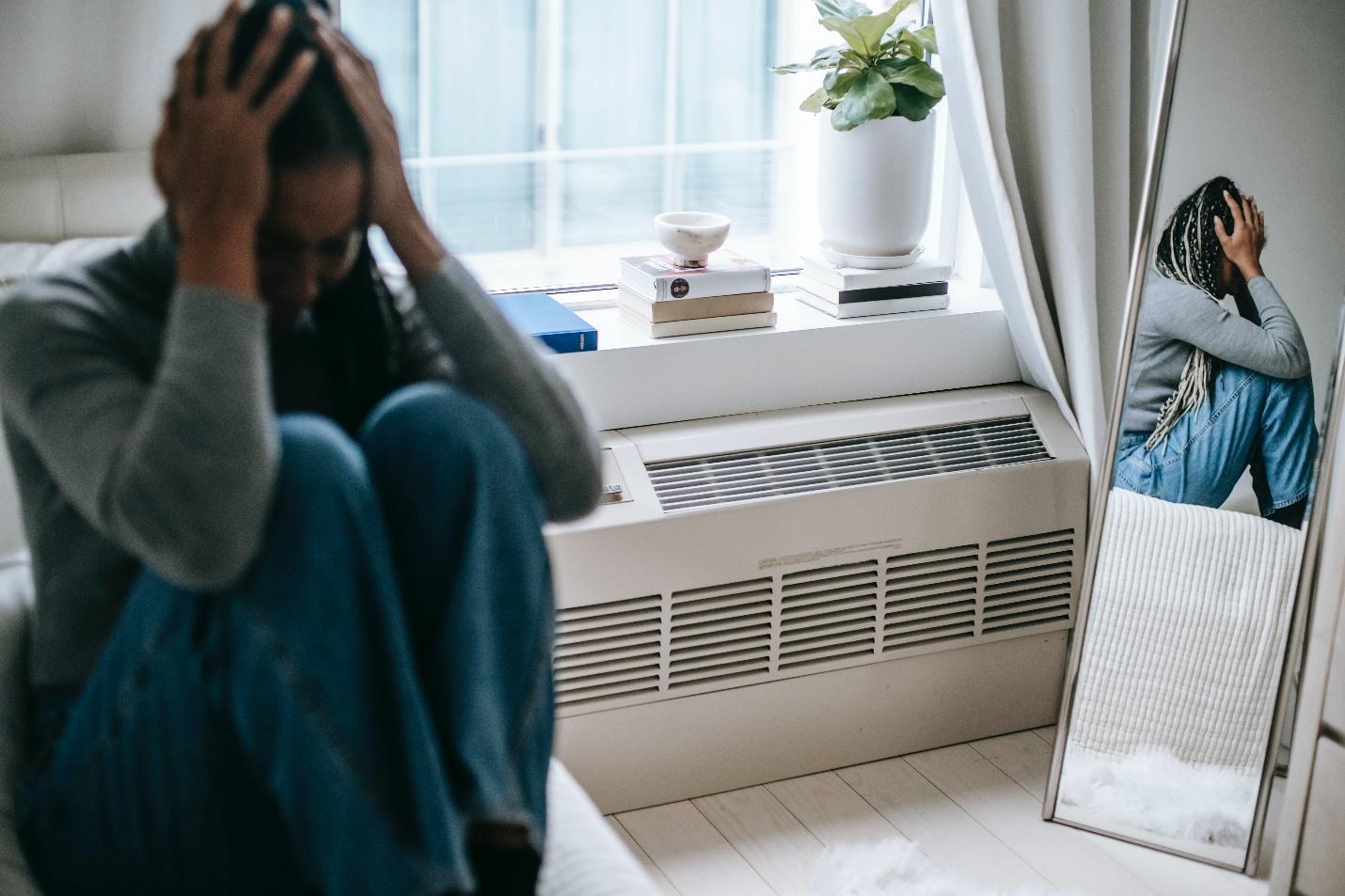
Periods are not only physically painful but emotionally exhausting as well. Hormonal changes can lead to mood swings, fatigue, cramps, headaches, and weakness. And after all this what are girls told us to adjust and bear it with utmost silence and are expected to continue their daily responsibilities without complaint. Many women go to school, colleges, offices, and workplaces while silently enduring pain that society often dismisses as “normal.”
I mean like how it can be normal a women bleeding through whole week is called normal in this society .Their strength is rarely acknowledged because their suffering has been normalized for centuries and called as their problem .
What is even more unfortunate is that many boys grow up without proper knowledge about menstruation. Because the topic is hidden from them, they often develop misconceptions, jokes, or insensitive attitudes towards periods. This ignorance creates further embarrassment for girls and strengthens the cycle of stigma which is very difficult to break. Menstrual education should not be limited to girls alone. Boys must also be educated so that they grow up with empathy, understanding, and respect instead of mockery and misinformation.
Because boys should also know what the girls faces in those 7 days is not a game but a real challenge and a little understanding from their side could bring a big change .
Education plays a crucial role in changing society’s mindset. Schools should openly teach menstrual health as part of basic biology and health education and should teach both boys and girls to help them grow better in life as a good human being .Families should encourage daughters to speak without fear and sons to listen without judgment .Media and advertisements should portray menstruation as normal rather than something secretive or hidden topic of the society. Real progress will come only when periods are discussed with the same comfort as any other health-related topics are discussed among different groups of the society.
Over the years, awareness regarding menstrual health has improved to some extent.Many things encouraged a topic like periods to be discussed openly. Society is beginning to understand that silence only increases suffering. However, there is still a very long way to go. Because this stigma is after all decades old.Even today, countless women continue to face the same problem and lack of understanding in many parts of the country , lack of access to hygiene products, and social restrictions during menstruation and are told that they are impure.
Changing society requires collective efforts from all people. Governments can provide affordable sanitary products and improve sanitation facilities in schools and rural areas. Teachers can educate students openly without any hesitation. Parents can create an environment where children ask questions without fear and answers without embarrassment. Most importantly, society must stop associating menstruation with impurity and shame and should take it as strength and courage
The courage shown by Muruganantham teaches us a powerful lesson: one person’s determination can challenge centuries of silence and break it for the betterment of the whole group. While the world laughed at him, he continued his mission because he believed that women deserved dignity and respect .He proved that true progress is not measured only by technology, buildings, or economic growth. A nations progresses is checked when issues important to one’s life are given equal importance as others when a women can live without shame, discrimination and unnecessary suffering and when her problems are openly discussed and given the same importance as other topics.
Today, when we speak openly about menstruation it’s not about a problem faced by women every month but about how they are treated. We are questioning traditions that forced women into silence and adjustment .We are breaking stereotypes that made girls feel ashamed of their own bodies and own natural process.
Periods are not a curse. They are not weakness. They are not impurity. They are a natural process, a sign of life, and a reflection of the incredible strength women carry within themselves every single month which they apparently faces with utmost strength
The real impurity was never menstruation itself the real impurity was the mindset that treated it as something shameful and impure .
And perhaps the greatest revolution begins the moment society finally learns to replace silence with understanding, shame with acceptance taboo with respect and problem with concern.
By: Bhavya Bhandari
Write and Win: Participate in Creative writing Contest & International Essay Contest and win fabulous prizes.
About the Author