TL;DR
- Running shoesprotect the joints and improve movement during high-impact activities.
- Modern designs are made with extra focus on cushioning and breathability.
- The right running shoes are good for both outdoor running and gym-based workouts, such as treadmills.
- Proper footwear selection reduces the risk of any injury and improves consistency.
As more people take up fitness and exercise, the importance of running shoeshas increased considerably. They maintain comfort and performance during regular physical activity by managing repeated impact and adjusting to the natural motion of one’s foot.
Running shoes can now also easily double as gym shoes, thanks to their balance and flexibility, which make them suitable for activities such as treadmill sessions and strength training. Read on to know more about the benefits of running shoes in modern times and what a buyer should know before selecting a pair.
Why Does One Need Running Shoes?
Running shoes are designed to manage impact and provide stability, making them important for consistent physical activity and training.
- Impact absorption: Specialised cushioning reduces repeated stress on joints during running and high-impact exercises.
- Foot alignment support: Proper midsoles promote natural foot movement and reduce uneven pressure distribution.
- Injury prevention: Proper grip and stability lower the risk of slips, strains and overuse injuries.
- Versatility in training: Modern running shoes function effectively asgym shoes during cardio workouts and light strength routines.
- Long-term comfort: Breathable materials and ergonomic design improve wearability during longer activity sessions.
What Are the Features that Define Running Shoes?
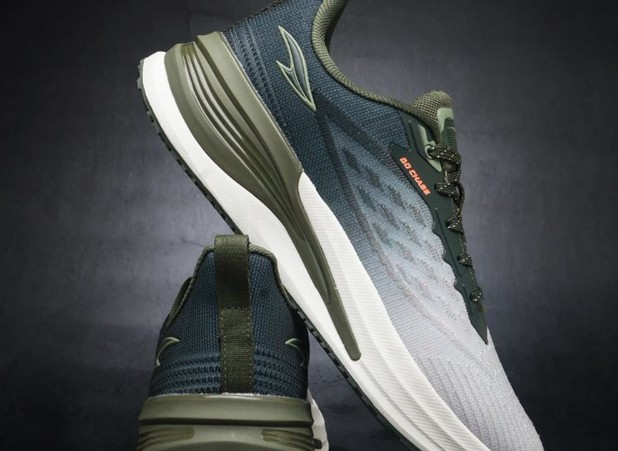
High-performing running shoesare designed with specific features to absorb shock and support joint health during intensive exercise.
- Cushioned midsole: Advanced foam or gel layers absorb shock and improve energy return with each stride.
- Breathable upper: Engineered mesh panels allow airflow, helping regulate temperature and reduce moisture build-up.
- Durable outsole: Rubber compounds with traction patterns enhance grip and resist anydamage on roads and gym floors.
- Heel and arch support: Properly constructed heel counters and arch systems give stability and balanced movement.
- Lightweight construction: Reduced overall weight supports speed, agility and reduced fatigue during runs.
What Should One Know Before Buying Running Shoes?
Choosing the right running shoesis not about going for the most popular or expensive style in the market. Individual usage and anatomy play a huge role in their selection, with select brand offering high-quality shoes at affordable prices.
- Foot type and gait: Understanding neutral, overpronated or supinated foot movement determines the level of support required.
- Running surface: Road running and treadmill workouts demand different outsole grip and cushioning levels.
- Fit and sizing: Adequate toe space and a snug heel fit should be prioritised over standard sizing alone. Moreover, shoes should be tried on in the evening when they are naturally swollen for proper accommodation.
- Purpose of use: Shoes designed for long-distance running differ from those suited for short runs or gym-based training.
- Durability expectations: Mileage capacity and material quality influence how longrunning shoes maintain support and structure.
Final Recommendations
Running shoes play an important role in supporting movement efficiency, reducing impact stress and maintaining overall foot health. Designed with purpose-driven cushioning, stability and breathability, they help accommodate repetitive motion while supporting natural biomechanics across different running styles and surfaces.
Investing in well-constructedrunning shoes also complements broader fitness needs, as many designs overlap with gym shoes for light training and cardio sessions. When selected with care, they contribute to long-term comfort and injury prevention rather than being treated as a short-term purchase.
Frequently Asked Questions (FAQs)
- How often should running shoes be replaced?
Most running shoes are designed to last between 400 and 800 kilometres, depending on usage intensity, surface type and running form.
- Can running shoes be used for gym workouts?
Running shoes can be suitable for cardio-focused gym activities, though strength training may require footwear with a firmer and flatter base.
- Is cushioning more important than support?
Both elements work together. Cushioning absorbs impact, while support helps guide foot movement and maintain alignment during runs.
- Do expensive running shoes always perform better?
Price does not guarantee performance. Fit and construction quality matter more than brand positioning or cost.
- Should running shoes feel tight at first?
Running shoes should feel like they are comfortable from the start, with a secure fit but enough room in the toe box to allow natural movement.
Write and Win: Participate in Creative writing Contest & International Essay Contest and win fabulous prizes.
About the Author