Search data and forum threads around bathroom vanities in Atlanta tend to circle the same questions: where should the cabinet go so the room feels bigger, how do you keep drawers from colliding with doors in compact floor plans, and what finishes tolerate long, humid summers without warping or yellowing? In a city that mixes Craftsman bungalows, mid-century ranches, townhomes, and new builds with tall ceilings, the “best location” for a vanity isn’t just an empty wall. It’s a spot that respects traffic lanes, natural light, HVAC behavior, and the realities of plumbing in older and newer construction.
The Atlanta Context: Climate, Light, and Floor Plan Types
Atlanta’s climate rewards smart moisture management. Summer humidity and frequent shower use mean a vanity placed directly under a weak exhaust path can suffer along its front rail and at cut edges unless the joint to the countertop is well sealed and the fan actually clears steam. Light is the second factor. North- and east-facing bathrooms in tree-lined neighborhoods can feel dim at 6 a.m., so positioning a vanity where task lighting can be delivered at face height matters as much as the style of the cabinet. Finally, floor plan types vary widely. Bungalows often hide plumbing in interior walls with tight alcoves; ranches have long, shallow baths; townhomes and condos introduce narrow footprints and offset windows; newer builds may offer long blank walls begging for a double.
The Feature Wall: When a Vanity Should Greet You at the Door
In many Atlanta baths, the wall you see first when the door swings open is the natural anchor. Placing the vanity there creates an immediate focal point and simplifies mirror proportions because the glass can run nearly the full width without fighting a shower partition or a window stool. The approach path stays clean, and it is easier to center two basins if the room hosts two morning routines. The risk is drawer collision with the entry leaf. That is solvable with door stops and by measuring the clear aisle: thirty inches of pass space in front of the vanity feels comfortable in real life, not just on paper.
Across from the Wet Zone: Keeping Showers and Sinks in Separate Lanes
Where baths are long rectangles, locating the vanity opposite a tub or shower keeps wet traffic on one side and grooming on the other. This “parallel lanes” layout reduces elbow conflict and lets deep drawers open fully. It works particularly well in mid-century ranches renovated with 60- to 72-inch cabinets because you can add a center bank of storage without blocking the drying area. In Atlanta’s summer months, separating wet activity from the sink wall also helps the mirror stay clearer since steam drifts toward the exhaust rather than pooling over the counter.
The Window Wall: Making Daylight an Asset, Not an Enemy
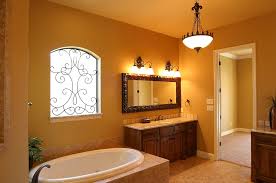
Atlanta homes frequently tuck small windows high on the exterior wall. A vanity under that opening can be a joy if you treat the window stool like part of the splash zone. A low-maintenance, well-sealed stool and a faucet with an appropriate spout reach prevent water from kissing the jambs. Split mirrors flanking the window or a shallow wall-mounted mirror panel in front of the glass solve the reflection problem while letting daylight do what it does best: keep color accurate and wake you up gently. This move often elevates compact rooms in bungalows, where the vanity otherwise wants to crowd a corner.
The Alcove and the Niche: Built-In Presence Without Custom Pricing
Older Atlanta houses sometimes hand you an 86- to 92-inch recess—leftovers from stacked closets or awkward chases. An 84-inch cabinet in that niche looks tailor-made once you scribe side fillers and set a countertop with a clean expansion gap to the walls. The result reads like architecture, not furniture. In narrow townhomes, a 40- to 48-inch vanity in an alcove can achieve the same effect: it buys real storage while leaving enough turning radius in front of the shower.
Basement and Attic Conversions: Headroom, Ductwork, and Real-World Clearances
Finished basements and attic suites are common targets for adding a bath. Here, location is less about symmetry and more about geometry. Dormers may pitch low enough that a tall mirror becomes awkward; a vanity tucked under the higher portion of the ceiling keeps grooming natural and avoids stooping. In basements, check where duct chases and main drains run before promising a specific wall. A vanity with top drawers needs shutoff valves placed slightly lower and wider; otherwise an installer will carve up the drawer boxes to make things fit, and you’ll lose the very storage you were counting on.
Materials and Edge Protection: Placement Affects Longevity
Wherever you put the cabinet, durability starts at the edges you never see. The sink cutout, back edges near tile, and plumbing notches should be sealed before the countertop goes down. A thin, neat silicone bead tucked under the front counter overhang acts like a micro drip rail and prevents capillary wicking that eventually prints a dark line across the face. In high-humidity months, consistent ventilation keeps doors from rubbing and slides from feeling sticky. The take-home is simple: a great location with poor edge protection ages badly; a decent location with good sealing is shockingly resilient.
Storage Geometry Depends on the Wall You Choose
If a vanity lives on a feature wall and faces the door, plan a calm, symmetrical layout with shallow top drawers for daily items and a center bank where shared stuff can disappear fast. If the cabinet sits opposite the shower, consider offsetting one basin to unlock a full three-drawer stack, which keeps heat tools and tall bottles upright without turning the counter into a staging area. In window-wall installations, a narrower center section beneath the window can help with plumbing clearance while keeping left and right stations identical.
Table: Matching Atlanta Home Types to Smart Vanity Locations
| Atlanta Home Type | Best Vanity Location | Why It Works | What to Check Before Install |
| Craftsman bungalow | Feature wall facing the door or window wall with split mirrors | Symmetry in tight rooms; daylight improves color and mood | Door swing vs. top drawers; sealed window stool |
| Mid-century ranch | Long wall opposite the shower | Parallel lanes keep traffic smooth; drawers open fully | Aisle width of ~30 inches; lighting at face height |
| Townhome/condo | Alcove or niche on interior wall | Built-in look, clean edges, predictable plumbing | Exhaust path and mirror height under low ceilings |
| New build with tall ceilings | Feature wall with wide mirror or true double | Proportions feel intentional; room can handle visual weight | Sconce spacing; shutoffs placed for top drawers |
| Basement/attic conversion | Highest headroom wall; avoid duct chases | Natural posture at the mirror; fewer surprises behind the wall | Valve height/spacing; counter depth in tight passes |
The Only Checklist You Need for a No-Regret Placement
- Tape the footprint and “open” imaginary drawers to confirm a comfortable pass in front of the cabinet.
- Choose the wall that either greets you with a calm mirror or keeps the wet zone across the aisle.
- Decide on centered, offset, or double basins based on how many people use the room at once.
- Measure trap centerlines and set shutoffs slightly lower and wider so top drawers do not require field surgery.
- Lock counter depth with movement in mind; trim depth before shrinking width in narrow rooms.
- Commit to lighting at face height or to a wide, even source above if sconces cannot fit.
- Seal every raw edge—cutouts, back edges, and notches—before the top is installed.
- Run a discreet silicone bead under the front counter lip to stop wicking.
- Set door stops so no leaf ever collides with a handle or drawer front.
- Test drawer travel with valves open and closed before finishing plumbing.
Why “Interesting Location” Beats “Interesting Style”
Atlanta bathrooms succeed when the cabinet feels inevitable on its wall. That impression doesn’t come from a paint chip or a door profile; it comes from proportion, sight lines, dry-vs-wet zoning, and edges that keep water out for years. The same seven-foot piece looks imposing when jammed against a casing, elegant when centered on a feature wall, and almost invisible when balanced across from a glass shower that reflects a wide mirror. Style can ride along afterward; location does the hard work first.
What a Good Decision Looks Like Six Months Later
The mirror never fogs when you’re in a rush because the wet activity happens across the room. The entry door stops short of the hardware every time. Drawers glide even in August because the fan pattern is right and the edges were sealed. The counter’s front edge hasn’t darkened because that hidden drip bead does its job. You don’t think about the cabinet; you think about how easily the room runs at 6 a.m.—exactly what a well-chosen location should deliver.
Bottom Line
For bathroom vanities atlanta, the conversation worth having is not just which cabinet to buy but where to put it so the room behaves. Aim for a wall that frames a mirror rather than fights one, keep at least thirty inches of real walking space in front, separate wet and dry zones when possible, and protect the unseen edges that humidity loves to test. Do those unglamorous things and the vanity—whatever its style—will feel like it was built with the house, not squeezed into it after the fact.
Write and Win: Participate in Creative writing Contest & International Essay Contest and win fabulous prizes.
About the Author