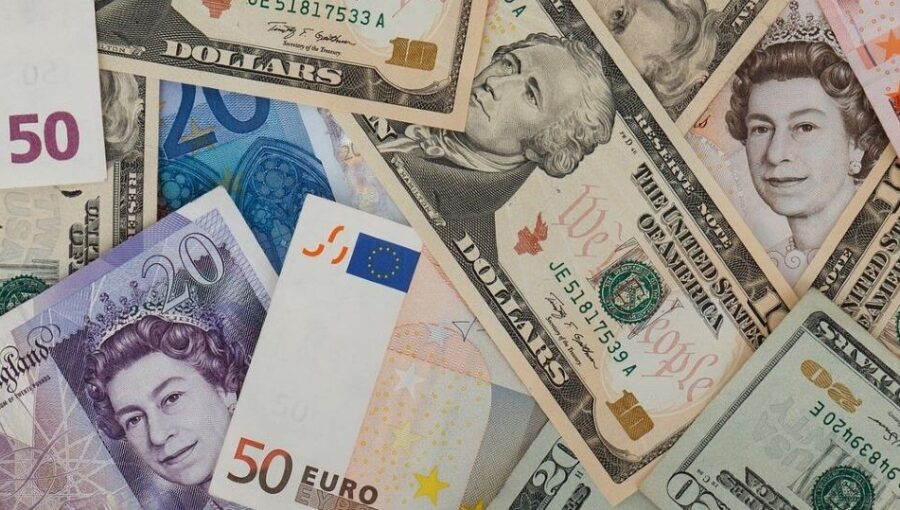
Currency is the official medium of exchange used within a country for economic activities, such as buying and selling, payments, and trade. Every country in the world has its own currency, for example, the rupiah in Indonesia, the dollar in the United States, the yen in Japan, or the euro in the European Union. This diversity of currencies is not accidental, but rather a result of the history, sovereignty, and economic needs of each country. The primary reason why each country has a different currency is due to sovereignty. Currency is a symbol of a nation’s identity and independence. A sovereign nation has the right to determine and regulate its own financial system, including printing money as official means of payment. For example, after Indonesia’s independence, the rupiah was established as the national currency, replacing the guilder, which was previously used during the Dutch colonial period. This demonstrates that having its own currency is part of building national identity.
Furthermore, differences in economic conditions also influence the existence of currencies. Each country has a different monetary policy according to its economic needs. The central bank, as a financial regulatory institution, plays a crucial role in maintaining currency stability. By having its own currency, a country can control inflation, set interest rates, and regulate the money supply. These policies naturally vary from country to country due to their varying economic, political, and social conditions. However, this currency diversity poses challenges in international relations. When a country wants to trade with another, it must first exchange its currency. This process is carried out through the foreign exchange (forex) market. This market is where various currencies from around the world are exchanged. The exchange rate between currencies, called the exchange rate, constantly fluctuates according to supply and demand.
For example, if many Indonesians want to buy goods from the United States, they need dollars to make payments. High demand for dollars will cause the dollar to appreciate against the rupiah. Conversely, if many foreigners buy Indonesian products, demand for the rupiah will increase, strengthening the rupiah. These exchange rate changes are also influenced by other factors, such as political stability, inflation, foreign exchange reserves, and the level of investor confidence in a country. Currency exchange is not only important for the trade of goods and services but also for other international activities. For example, someone traveling abroad must exchange their currency to conduct transactions in the destination country. Similarly, with foreign investment, investors need to exchange their home currency for the currency of the country where they are investing. All of this demonstrates the importance of a currency exchange system in maintaining smooth relations between countries.
In conclusion, each country has a different currency due to historical reasons, sovereignty, and differing economic conditions. While these differences can pose challenges, a currency exchange system through the foreign exchange market allows countries to remain connected in trade, investment, and other international activities. The existence of a national currency is not only an economic matter but also reflects a nation’s identity and independence. Currency is an irreplaceable symbol of a country for transactions and buying and selling. Furthermore, it certainly contains historical values that form the origins of a country’s currency.
By: Sugianingrum
Write and Win: Participate in Creative writing Contest & International Essay Contest and win fabulous prizes.
About the Author