AI
Picture being in a packed stadium with raucous fans cheering, but the star entertainer isn’t a musician or an athlete; the star is a popular video game streamer. This is not the latest science fiction movie. By 2025, it’s pretty commonplace in our digital lives. Created using artificial intelligence (AI) and photorealistic animation, virtual celebrities are changing the standard of being a star. They don’t eat, sleep, or age, but they sing, dance, act, and post on social media. They are engineered to be perfect and fast, winning fans worldwide.
The ascendance of AI-generated performers is an inflection point in human culture. It pushes our concepts of creativity, authenticity, and emotional connection. This article goes from there to trace the birth and rise of virtual celebrities, the motivations behind their appeal, the profound ethical and social questions they raise, and what the future might look like if we elect to honor the digital over the human.
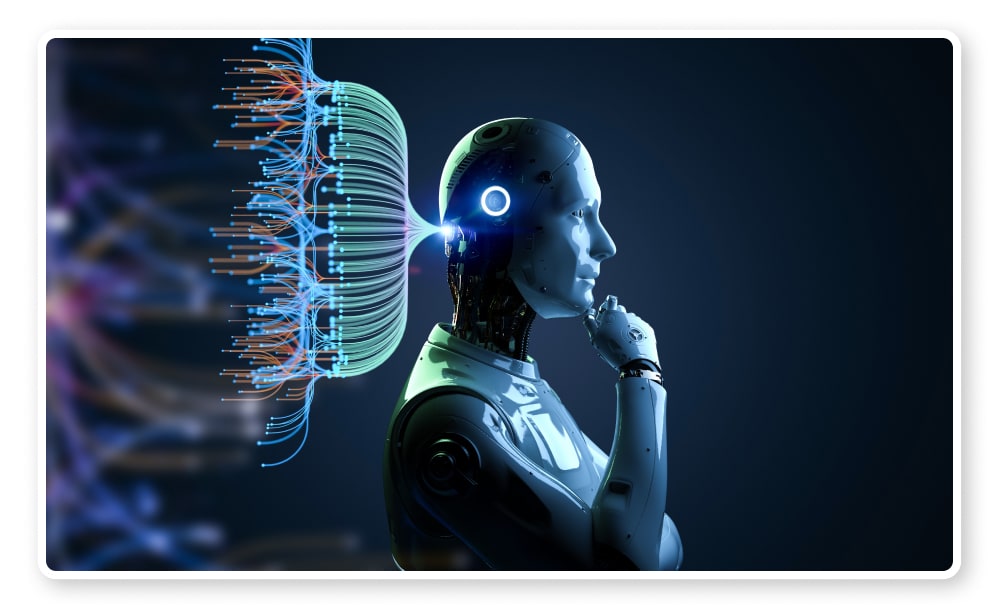
Virtual celebrities are not tongue-in-cheek digital avatars—they are full-blown personas with backstories, wardrobe preferences, musical catalogs, and political points of view. They are products of machine learning, 3D modeling, and voice synthesis and increasingly rely on mountains of data, with armies of marketers, engineers, and AI developers on their payroll.
One of the leading examples is a character called Lil Miquela, a creation of the Los Angeles-based tech company Brud. So far, she has amassed millions of followers on Instagram, dropped several singles, and starred in Prada and Calvin Klein brand campaigns. Miquela’s achievement clears the way for a different sort of star — one that isn’t born so much as made.
Imma in Japan became the most influential virtual fashion model in Asia. Her real-life looks, pink bob haircut, and eccentric lifestyle led her to Vogue features and ads with IKEA. Meanwhile, in Korea, SM Entertainment debuted its girl group aespa, which features human and AI-generated members, to merge music, storytelling, and virtual identity into a seamless pop experience.
The market is growing fast. The global virtual influencer market is estimated to be worth $4.6 billion (Emergen Research, 2023). It is forecasted to grow to $28 billion by the end of 2032 as brands look to monopolize total controllable digital spokespeople. This is no longer a fad; it is a revolution.
The growing wave of virtual celebrities isn’t only a matter of technology; it’s also about what they can do that human stars can’t.
For one, they are always “on.” They do not require sleep, so they never fall victim to scandals, and they can perform or post whenever they want, day or night. For businesses, that means maximum efficiency with limited risk. They don’t burn out, get sick, or flake.
Second, they are completely controllable. Each word, twitch, and outfit is designed by a staff. There are no public controversies or personal dramas to worry about. As The Guardian explained in a 2022 article (The Guardian, 2022): “Virtual idols provide all the allure of celebrity, none of the mess.”
Third, they have cultural agility. A digital star can be localized on the fly for different markets. The Chinese virtual influencer Liu Yexi, who blends fantasy and traditional Chinese imagery, amassed more than five million followers in weeks. Her viral victory exemplifies how AI can cater to local tastes in a way few human influencers can.
Fourth, AI facilitates creative customization. Services like Soundraw and Boomy allow for the creation of AI-generated music. As it stands, Netflix relies on AI for show and movie recommendations, but the streaming giant could soon be producing content based on your mood or cultural background. AI makes content not just global but personal.
But there is also a note of caution to the excitement. A grubbier reality lurks behind the image of AI celebrities being sold to the masses. What does being authentic mean in an age of simulation? Can we bond with something programmed to simulate emotions but can’t experience them? Critics warn of losing emotional depth even as fans go mad for virtual stars. As The New Yorker put it in 2023 (The New Yorker, 2023), “We’re not watching someone grow — we’re watching someone programmed to please.”
Another fear is job loss. The market for young entertainers may contract as AI performers take over human jobs, including advertising and voice acting, and concerts. The World Economic Forum (2024, https://www.weforum.org/) estimates that up to 30% of entry-level creative jobs in media and entertainment will be computerized by 2030.
Psychological manipulation is not something to be taken lightly. Fans might not realize their favorite “star” is part of the marketing plan. Where is the moral line when a 13-year-old girl cries over a virtual idol’s breakup storyline, entirely scripted by a brand?
There are also ever more legal concerns. In 2022, a South Korean firm used AI to replicate the voice of a dead singer. The family filed a lawsuit alleging that their identity was misused. What happens when it comes to who owns an AI’s voice, style, or persona? In many countries, there is still no clear law, leading to a legal “wild west” of virtual fame making.
If managed properly, the future of AI in entertainment need not be dark. Most interesting, however, would be collaborations between humans and AI, not competition. Artists, including Paul McCartney, have already taken this on. In 2023, he issued a final Beatles song using AI to isolate and enhance John Lennon’s original vocals. And filmmakers are deploying AI for de-aging, dubbing, and even storyboarding.
With music, AI could become more of an instrument than a replacement for musicians, helping them experiment with new sounds rather than making them obsolete. In film, writers could employ AI to create multiple potential plot lines and select those with the most punch.
AI can also open up new genres of entertainment. Holographic meet-and-greets, interactive Netflix-style “choose your story” shows, and virtual reality concerts are just the beginning. As metaverse technology develops, fans could soon attend full festivals where every artist is a virtual creation, but the emotional experience is physical.
First and foremost, education has to change. Young creators should be taught not just traditional arts but AI literacy: how to wield these tools ethically and creatively. Schools and universities should train the next generation not to fear AI but to master it.
The rise of AI-driven and virtual celebrities suggests we may be experiencing a significant redefinition of how we determine art, fame, and even reality. They’re efficient and new, perfect images everywhere, broadcast 24/7. But they also compel us to grapple with complex questions about being human, making things, and connecting.
If we submit ourselves to technological blindness, we will construct a soulless society. Yet, if we temper AI with humanity rather than replace it, we enter potentially the most creatively fertile time in history. The future of entertainment will not pit humans against machines, but make space for both to coexist and excel.
The future of entertainment is digital, but its soul must still be human.
By: Geonhwi Cho
Write and Win: Participate in Creative writing Contest & International Essay Contest and win fabulous prizes.
About the Author