मनोरंजन
The fusion of technology and art is no longer a futuristic concept — it’s our present reality. From intricate digital paintings to interactive experiences, artificial intelligence has become an integral part of the creative process. As tools become more intuitive and widely accessible, artists, designers, and content creators are tapping into AI to unlock new forms of expression. What once required hours of manual skill and specialized training can now be accomplished in minutes, thanks to intelligent systems that understand style, composition, and aesthetics.
Rather than replacing artists, AI is becoming their collaborator. It’s shaping a new paradigm where imagination and machine learning converge to produce visuals that are as surprising as they are sophisticated.
The Mechanics Behind AI-Generated Art
Learning From Patterns
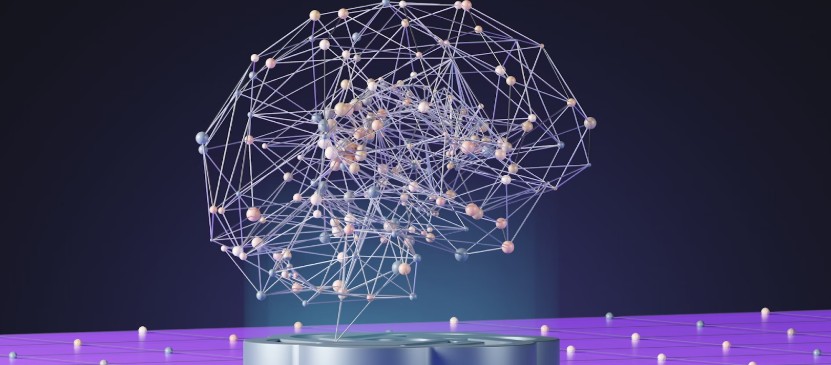
AI systems are trained using deep learning models fed with vast collections of visual data — photographs, paintings, textures, illustrations, and more. Over time, these systems learn to detect patterns, replicate stylistic nuances, and synthesize new visual content that is both original and coherent. They don’t just copy; they reimagine, drawing on a wide range of influences to craft something novel.
With user input, these models can generate images based on descriptions, rough sketches, or even color preferences. This flexibility makes them powerful tools for artists of all levels, from professionals to enthusiastic beginners.
Style Transfer and Generative Design
One of the most transformative capabilities in AI art is style transfer — where the look and feel of one image is applied to another. Want your photo to resemble a Van Gogh painting or a glitchy cyberpunk poster? AI can do that. Other models, such as generative adversarial networks (GANs), create entirely new compositions by pitting two networks against each other: one generates images, and the other critiques them, refining the results through iterative learning.
These innovations are redefining the concept of originality in digital art, blurring the lines between human and machine-made visuals.
New Creative Possibilities
From Tool to Muse
AI is no longer just a passive assistant that helps speed up tasks. In many cases, it acts as a muse — offering creative prompts and possibilities that the artist might never have considered. This dynamic is fostering a more experimental and spontaneous approach to design. Artists are learning to “co-create” with AI, using the technology to explore new aesthetic territories.
This type of collaboration can be particularly helpful when dealing with creative blocks or tight project deadlines. Rather than starting from scratch, designers can use AI-generated drafts as a foundation and then apply their own vision and refinement.
Applications Across Industries
The impact of AI-generated visuals extends far beyond fine art. In advertising, AI is used to generate customized ad graphics at scale. In gaming, it helps in designing immersive environments and characters. Fashion brands are experimenting with AI to create bold new patterns, while filmmakers use it for storyboarding and concept art. The ripple effects are visible in architecture, web design, music videos, and more.
AI has not only accelerated the creative process — it’s expanded the scope of what can be created in the first place.
Hypnopixels: A Showcase of Generative Art in Motion
A Destination for Visual Experimentation
Among the platforms embracing this creative revolution is hypnopixels, a digital art website that blends artificial intelligence with hypnotic design aesthetics. It specializes in looping visuals, surreal animations, and generative patterns that captivate and intrigue. The site serves as both a gallery and a playground, offering users a front-row seat to the possibilities of AI-powered visual art.
Engaging with the Experience
What sets Hypnopixels apart is its immersive interactivity. Users can manipulate variables like speed, color, and shape to generate personalized visuals in real time. Whether used as background visuals for music performances, branding projects, or simple artistic exploration, the content on Hypnopixels showcases the intersection of algorithm and artistry at its most mesmerizing.
The Impact of an AI Image Creator
Creativity Without Limits
The evolution of visual tools is epitomized by the rise of the AI image creator — a platform that allows users to generate unique images on demand using intelligent algorithms. It brings the power of design to anyone with a concept, removing the need for technical mastery or specialized software. This accessibility democratizes creativity, empowering more voices and visual narratives across the globe.
Instead of spending hours refining a design, creators can use these platforms to experiment with countless variations, refine ideas, and generate polished artwork in seconds. Whether for personal projects or commercial use, the potential is virtually unlimited.
Challenges and Responsibilities
Ethics in the Age of Machine Art
As exciting as these tools are, they bring complex ethical questions. What happens when AI is trained on copyrighted material? How do we distinguish between inspiration and plagiarism in machine-generated content? And who owns the intellectual rights to a piece of AI-generated art?
These questions are fueling important conversations within both the art and tech communities. Responsible development, clear guidelines, and greater transparency will be key to ensuring AI enhances — rather than undermines — creative integrity.
Ensuring Inclusivity and Fair Use
Another challenge lies in access. While AI tools are growing more affordable, there is still a gap in availability and education. Creators from underrepresented regions or marginalized communities often lack the same access to these cutting-edge tools. Developers must consider how to make their platforms truly inclusive and adaptable to a global user base.
Looking Forward: A Human-Centric Future
AI as a Partner, Not a Replacement
The future of art will not be one where humans are replaced by machines. Instead, it will be a future defined by collaboration — where AI acts as a catalyst, pushing creators to imagine and produce work beyond their usual boundaries. AI will be embedded into creative workflows as naturally as cameras or graphic tablets are today.
Art Evolved
Ultimately, art is about connection, emotion, and expression. AI doesn’t change that — it expands the possibilities for how we achieve it. As platforms like Hypnopixels demonstrate, the synergy between human vision and machine intelligence can create experiences that are not just beautiful, but deeply resonant.
Conclusion
The fusion of AI and creativity is giving rise to an unprecedented era in visual culture. From playful experimentation to groundbreaking design, the tools now available empower artists to push beyond conventional limits.
Whether you’re exploring generative loops on Hypnopixels or crafting your next concept using an AI image creator, one thing is clear: the future of visual art is being written in real time — by human minds, machine algorithms, and the collaboration between them.
Write and Win: Participate in Creative writing Contest & International Essay Contest and win fabulous prizes.
About the Author