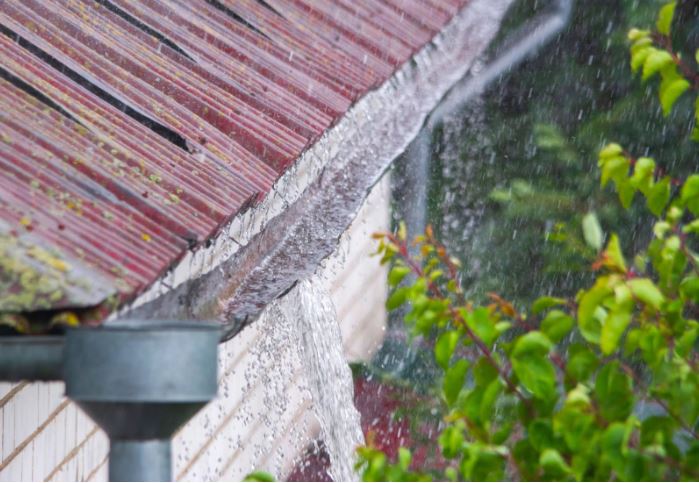
Heavy rain, a force of nature that’s increasingly common due to our changing climate, can have surprising effects on household plumbing. As weather patterns continue to shift, the frequency and intensity of these downpours seem to rise, putting homeowners everywhere on high alert. Understanding how heavy rain impacts your home’s plumbing isn’t just useful knowledge—it’s crucial for preventing damage and maintaining a functioning system. This article explores the ways in which heavy rain can affect plumbing, sheds light on common issues that arise, and provides effective strategies to mitigate potential problems. Homeowners will benefit from recognised practices and innovative technologies designed to protect plumbing systems from rain-induced challenges.
Understanding the Impact of Heavy Rain on Plumbing
As the rain pours, the centrepiece of concern often becomes the plumbing infrastructure that can barely keep up. Firstly, when heavy rain envelopes an area, the sheer volume of water can easily overwhelm drainage systems. These systems, normally tasked with managing moderate levels of water flow, can falter under prolonged downpour, leading to backups.
Sewer backups, a dreaded consequence, can spell disaster for the indoor plumbing of a home. Picture this: when sewers can’t handle the excess water, the overflow may start to backtrack, moving in reverse into residential plumbing. This results in unpleasant, often unsanitary conditions indoors.
Moreover, heavy rain places immense pressure on aging or faulty pipes. The saturation of the surrounding soil increases the weight and stress on pipe infrastructure. Cracks may form, joints can loosen, and pipes might even burst, leading to expensive repairs and potential water damage.
After a bout of heavy rain, it’s crucial to look out for common signs of plumbing distress. These may include slow drainage, strange gurgling noises, and unpleasant odours emanating from drains. Awareness of these indicators can indicate that your plumbing system needs immediate attention to avoid more severe issues.
Common Plumbing Problems Caused by Heavy Rain
A variety of plumbing problems can emerge in the aftermath of a heavy rain event. Among the most frequent are leaks, blockages, and flooding. Saturated ground can shift, creating movement in foundational structures. This, in turn, can put pressure on pipelines, causing them to leak or rupture.
Blockages often arise as roots seek out moisture, penetrating pipes and clogging them with debris. Flooding, both indoors and outdoors, is a common issue as drainage systems struggle to clear the excess water quickly enough. The aftermath isn’t just restricted to visible water pooling—it can extend to soggy lawns and damaged foundations, which can exacerbate plumbing issues further.
Contaminated water is another concern. When sewage systems are overburdened, there’s a real risk of contamination making its way into the clean water supply. This not only poses a plumbing challenge but a significant health risk to residents.
Statistics show that after heavy rain, there is a notable increase in reported plumbing problems. A study by the Water Services Association highlighted a 30% rise in emergency plumbing calls following severe storms. Such data underscores the need for proactive measures to prevent plumbing failures.
Key Areas of Concern in Your Plumbing System
Certain areas within a plumbing system are more susceptible to issues during heavy rain. Basements, crawl spaces, and external yards are typically vulnerable. Basements, situated below ground level, are prime candidates for flooding. Water seeping through walls or floors can damage belongings and contribute to mould growth.
Crawl spaces can harbour standing water, leading to similar issues as in basements, albeit less visible. Yards, when flooded, can cause soil erosion and create conditions ripe for pipe damage.
Gutter systems and downspouts also play a crucial role in managing heavy rain. If these are blocked or improperly designed, excess water can overflow, impacting the drainage efficiency and leading to backups.
Additionally, sump pumps are essential in preventing failures. Serving as a barrier against flooding, they help direct water away from the property. Regular maintenance and inspections are critical to ensure these systems function optimally during peak rain.
Frequent inspections for signs of wear and tear can’t be overstated. It’s advisable that homeowners schedule regular checks to identify and rectify potential problems before they escalate.
When performing the inspections, consulting something like a plumbing app connecting you to licensed experts through live video can be a practical solution. They can help assess unclear issues in real time, offering on-the-spot guidance without the wait for a house call.

Effective Plumbing Prevention Strategies for Heavy Rain
Preventive measures can go a long way in safeguarding plumbing systems from heavy rain. Prior to forecasted downpours, inspect and prepare plumbing for potential challenges. Checking gutters and downspouts for blockages, ensuring sump pumps are in working order, and sealing any visible cracks in foundations are good starting points.
Regular maintenance is key. This should include cleaning drains, checking for leaks, and ensuring that water is flowing ideally away from the property’s foundation through the drainage system.
Installing backflow prevention devices can protect against sewage backups. These devices, often installed in main sewer lines, are designed to prevent the reverse flow that can lead to sewage infiltration into homes.
Engaging a professional plumber for inspections is advised. These experts can identify vulnerabilities in the plumbing system and recommend effective solutions to fortify the system against heavy rain.
Innovative Solutions and Technologies for Rain-Induced Plumbing Issues
Modern times have ushered in innovative solutions to combat rain-induced plumbing issues. Technologies now exist that make prevention more accurate and efficient. Rainwater harvesting systems, for example, can mitigate excess water by collecting and storing rainwater for future use, thus alleviating some strain on drainage systems during heavy rains.
Smart sensors are another advancement, offering real-time monitoring of plumbing systems. These sensors can detect changes in water flow or pressure, alerting homeowners to potential issues before they become significant. An early alert facilitated by smart technology can spell the difference between a small repair and an extensive overhaul.
Case studies abound where these solutions have been successfully implemented. Communities have reported decreased incidents of flooding and water damage after adopting rainwater harvesting and smart technology monitoring systems, setting a precedent for others to follow.
Conclusion
Heavy rain and plumbing have a complex relationship, and understanding this connection is vital for homeowners. The impact of rain on plumbing can be severe, with issues such as leaks, blockages, foundation shifts, and contaminated water posing real threats. By focusing on vulnerable areas and implementing prevention strategies, homeowners can safeguard their homes efficiently.
Proactive measures, including regular maintenance and professional inspections, are essential in protecting plumbing systems. The advent of innovative technologies like rainwater harvesting and smart sensors presents new opportunities to maintain plumbing integrity during heavy rain.
It’s crucial for homeowners to consider assessing their plumbing systems before the next rainy season hits. By doing so, they embrace a long-term approach to protecting your pipes the right way—ensuring the safety and functionality of their home plumbing systems for years to come.
Write and Win: Participate in Creative writing Contest & International Essay Contest and win fabulous prizes.
About the Author