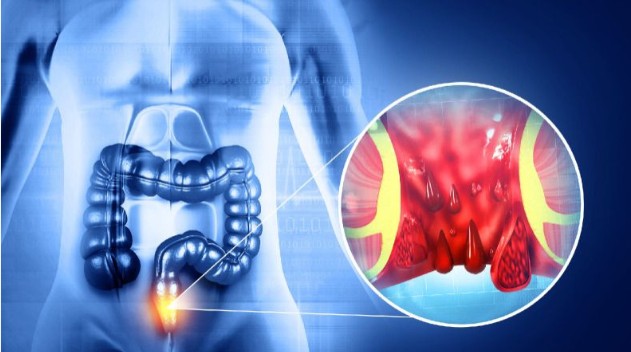
Hemorrhoids are swollen veins in the lower rectum or around the anus that can cause discomfort, itching, pain, or bleeding. While many cases improve with conservative treatment, some symptoms persist or keep returning. If your hemorrhoids do not seem to be getting better, it may be time to consult a hemorrhoids doctor to identify the underlying cause and discuss appropriate treatment options.
What Does It Mean If Hemorrhoids Are Not Going Away?
Persistent hemorrhoids are symptoms that continue despite home remedies, lifestyle changes, or over-the-counter treatments. Some hemorrhoids improve within a few days or weeks, while others may become chronic or recur frequently.
Several factors can contribute to ongoing symptoms, including:
- Repeated straining during bowel movements
- Chronic constipation or diarrhoea
- Prolonged sitting, particularly on the toilet
- Pregnancy or increased pressure within the abdomen
- Larger internal or external hemorrhoids
- Incomplete healing after previous flare-ups
In some cases, symptoms that resemble hemorrhoids may be caused by another colorectal condition, making an accurate diagnosis important.
Why Is It Important?
Persistent hemorrhoids should not simply be ignored, especially if symptoms interfere with daily life or continue despite self-care.
Seeking medical evaluation may help:
- Confirm that hemorrhoids are the cause of your symptoms
- Identify more advanced hemorrhoids that may require additional treatment
- Rule out other conditions affecting the rectum or anus
- Reduce the risk of ongoing discomfort or complications
- Improve quality of life through appropriate management
Rectal bleeding should always be properly assessed, as it can have causes other than hemorrhoids.
Who Should Consider Seeing a Hemorrhoids Doctor?
Although mild hemorrhoids often improve with conservative care, some situations warrant assessment by a hemorrhoids doctor.
You should consider medical evaluation if you:
- Have symptoms lasting longer than one to two weeks
- Experience frequent hemorrhoid flare-ups
- Continue to have pain despite home treatment
- Notice persistent rectal bleeding
- Develop a lump that remains swollen or painful
- Find that symptoms interfere with work or daily activities
- Have difficulty passing stool because of discomfort
People over 50 years of age or those with a family history of colorectal disease may also require further evaluation if rectal bleeding occurs.
Who Should Seek Medical Advice First?
Certain individuals should seek prompt medical assessment before attempting further self-treatment.
Medical advice is particularly important if you:
- Experience heavy or persistent rectal bleeding
- Develop severe anal pain
- Notice black or tarry stools
- Have unexplained weight loss
- Experience changes in bowel habits lasting several weeks
- Have inflammatory bowel disease or a weakened immune system
- Take blood-thinning medication
These symptoms may require investigations to exclude conditions other than hemorrhoids.
What Treatment or Management Options Are Available?
Treatment depends on the size of the hemorrhoids, the severity of symptoms, and whether complications are present. Many patients improve with conservative management, while others may benefit from office-based procedures or surgery.
Treatment options may include:
- Dietary changes: Increasing fibre intake and drinking sufficient water may help soften stools and reduce straining.
- Lifestyle modification: Avoiding prolonged sitting on the toilet and maintaining regular physical activity may reduce pressure on the anal veins.
- Medications: Topical creams, ointments, or suppositories may help relieve discomfort for selected patients.
- Office-based procedures: Rubber band ligation, sclerotherapy, or infrared coagulation may be considered for certain internal hemorrhoids.
- Surgery: Larger, persistent, or prolapsed hemorrhoids may require surgical removal or other operative procedures.
A colorectal surgeon will recommend treatment based on your symptoms, examination findings, and overall health.
How Should You Prepare?
If you are visiting a hemorrhoids doctor, preparing beforehand can help make the consultation more productive.
You may wish to:
- Record how long your symptoms have been present.
- Note whether bleeding occurs during bowel movements.
- List any medications or supplements you take.
- Inform your doctor about previous hemorrhoid treatments.
- Mention any family history of colorectal conditions.
- Prepare questions about treatment options and recovery.
Preparation requirements for additional investigations, such as a colonoscopy, will be explained if these tests are recommended.
What Happens During the Consultation?
The consultation usually begins with a discussion of your symptoms, bowel habits, medical history, and lifestyle factors.
Your doctor may then:
- Perform a physical examination of the anal area.
- Assess for external hemorrhoids or other visible abnormalities.
- Perform a digital rectal examination if appropriate.
- Recommend an anoscopy, which uses a small instrument to examine the lower rectum, if necessary.
- Discuss treatment options based on the findings.
Additional investigations may be recommended if your symptoms suggest another colorectal condition.
Benefits, Risks, and Possible Side Effects
Receiving an accurate diagnosis allows treatment to be tailored to your condition rather than relying solely on self-care.
Potential benefits include:
- Confirmation of the underlying diagnosis
- Relief of persistent symptoms
- Reduced risk of recurrent flare-ups
- Improved bowel comfort
- Identification of conditions requiring different treatment
Possible considerations include:
- Some office procedures may cause temporary discomfort.
- Surgical treatment requires a recovery period.
- Hemorrhoids can recur if contributing lifestyle factors are not addressed.
- Recovery times vary depending on the treatment performed.
Your doctor will discuss the expected benefits and potential risks before recommending any procedure.
What Our Colorectal Surgeons Say
Patients often ask whether hemorrhoids will eventually disappear on their own. The answer depends on the type of hemorrhoids, their severity, and the factors contributing to their development. During consultation, we assess your symptoms carefully and perform an examination to confirm the diagnosis before discussing treatment options. Many patients improve with dietary changes, lifestyle modifications, or office-based procedures, while others may require surgery for more advanced disease. Individualised treatment allows management to be tailored to each patient’s symptoms, medical history, and treatment goals.
Putting This Into Practice
- Eat a fibre-rich diet with plenty of fruits, vegetables, and whole grains.
- Drink adequate fluids throughout the day.
- Avoid prolonged sitting on the toilet.
- Stay physically active where appropriate.
- Avoid excessive straining during bowel movements.
- Arrange medical assessment if symptoms continue despite self-care.
When to Seek Professional Help
Seek medical attention if you:
- Experience persistent or heavy rectal bleeding.
- Develop severe anal pain or swelling.
- Notice worsening symptoms despite treatment.
- Have difficulty passing stool because of pain.
- Experience unexplained weight loss or persistent changes in bowel habits.
- Develop fever together with anal pain or swelling.
Frequently Asked Questions
Why are my hemorrhoids not improving?
Persistent hemorrhoids may result from ongoing constipation, repeated straining, prolonged sitting, or larger hemorrhoids that require medical treatment. In some cases, another colorectal condition may be causing similar symptoms. If symptoms continue despite home care, a medical assessment can help determine the underlying cause.
When should I see a hemorrhoids doctor?
You should consider seeing a hemorrhoids doctor if symptoms persist for more than one to two weeks, recur frequently, cause significant pain, or are associated with rectal bleeding. Early assessment allows appropriate treatment and helps exclude other conditions affecting the rectum or anus.
Can hemorrhoids come back after treatment?
Yes. Hemorrhoids can recur if contributing factors such as constipation, straining, prolonged sitting, or inadequate fibre intake continue. Maintaining healthy bowel habits and following your doctor’s recommendations may help reduce the likelihood of future flare-ups.
Will I always need surgery for persistent hemorrhoids?
No. Many persistent hemorrhoids respond to dietary changes, medication, or minimally invasive office-based procedures. Surgery is generally considered for larger hemorrhoids, prolapsed hemorrhoids, or symptoms that do not improve with conservative treatment.
Could my symptoms be caused by something other than hemorrhoids?
Yes. Rectal bleeding, pain, or changes in bowel habits can also occur with anal fissures, infections, inflammatory bowel disease, polyps, or colorectal cancer. Because these conditions require different treatment, persistent or unexplained symptoms should be assessed by a healthcare professional.
Next Steps
Persistent hemorrhoids are common, but symptoms that do not improve should not be ignored. Understanding why hemorrhoids continue or recur can help you make informed decisions about treatment and identify when further evaluation is appropriate. Lifestyle changes and conservative treatments are often effective, but some patients may benefit from office-based procedures or surgery depending on the severity of their condition. If your symptoms persist, worsen, or you are unsure about the cause of rectal bleeding or discomfort, consult a hemorrhoids doctor for a thorough assessment and personalised treatment plan.
Write and Win: Participate in Creative writing Contest & International Essay Contest and win fabulous prizes.
About the Author