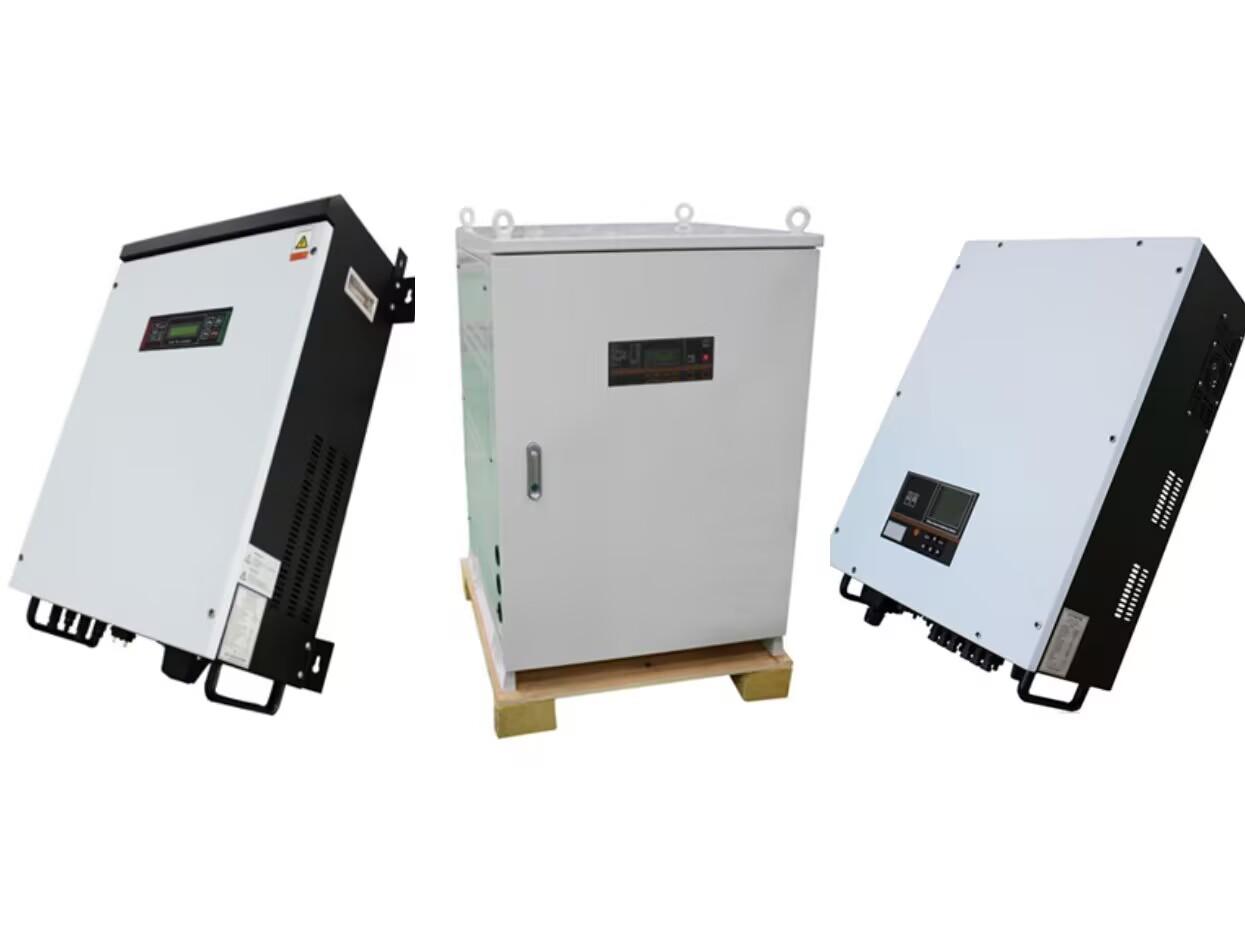
On-grid inverters are an important part of today’s solar power system, turning solar energy into electricity for domestic consumption or channeling it into the grid. Nevertheless, like in any technology, on-grid inverter problems develop over time and affect performance.
Routine solar system fault finding is the key to the detection and rectification of basic problems. On-grid inverter issues being common, this piece will identify them and present you with effective remedies to maintain the efficiency and consistency of your solar power system.
Identifying Common On-Grid Inverter Problems
When working with different types of on-grid inverters, you should acknowledge the common issues that may occur. Such issues can drastically lower your solar system’s efficiency and performance. Some of the common issues you may experience are listed below:
1. On-Grid Inverter Malfunction
Inverter faults are one of the most common problems by on-grid solar systems. This may involve hardware failure or faulty software, causing system shutdown or reduced efficiency. Such faults tend to make the inverter fail to convert power as efficiently as possible.
2. On-Grid Inverter Communication Problems
Communication problems tend to arise when the on-grid inverter does not properly communicate with the grid. It may lead to power interruptions or even shut-offs. The inverter has to be calibrated appropriately to synchronize with grid conditions.
3. Inverter Performance Problems
Performance issues might display as a reduction in energy conversion efficiency, where less energy is being captured through the solar panels. It could result from environmental effects such as shading or damaged components. Tracking inverter performance ensures the issues are identified and corrected quickly.
Diagnosing Inverter Malfunction and Error Codes
Diagnosing an inverter failure usually starts with deciphering inverter error codes. Error codes give good insight into the particular problem that the inverter is experiencing and what is causing it.
Typical Error Codes and What They Mean
- Error Code 0001: Usually signifies that there is a communication breakdown between the inverter and other units in the system.
- Error Code 1005: Generally refers to overvoltage or a grid connection fault.
- Error Code 2003: This indicates a temperature problem present-inverter either excessively hot or cold.
Understanding these common inverter faults will allow you to diagnose and hence correct the issues within seconds, so that you maintain your system, providing its best possible output.
Solutions to On-Grid Solar System Problems
The issues with repairing on-grid solar systems typically begin with basic troubleshooting and occasional repairs that are isolated to a particular area. Being able to determine when to look at the system yourself and when to call in help will save you time and go a long way towards keeping your installation safe.
a. Solar System Troubleshooting
Troubleshooting helps you quickly find and fix problems in your on-grid solar system so it keeps running strong. Follow these basic steps to identify and address problems:
1. Check Power Sources
Make sure that your solar panels and inverter are getting the proper amount of sunlight and power supply. Loss of energy input may result in on-grid solar system problems.
2. Check Electrical Connections
Inspect loose or damaged cables that may trigger inverter operation issues or disturb energy flow.
3. Check Inverter Settings and Error Codes
Check the inverter’s control panel or display for inverter error codes and abnormal settings. These codes can usually give an idea of the root cause of the issue.
4. Monitor System Performance
Utilize system monitoring tools to monitor energy generation and usage. Drift or dips in performance could mean that solar system troubleshooting is called for.
By following these procedures, you can often prevent small problems from developing into costly repairs. Routine diagnosis ensures your solar power system’s reliability and effectiveness.
b. On-Grid Inverter Repair
Even with proper troubleshooting, there will be occasions where problems will necessitate solar inverter repair. Here’s the way to make repairs effective:
1. DIY Repairs for Simple Problems
For minor repairs, like inverter reset or fuse replacement, homeowners who are technically inclined can usually perform on-grid solar system repairs themselves. Refer to the user’s manual always.
2. Call for Professional Assistance
For more complex issues, like the complete breakdown of an internal element or repeated troubles with the inverter function, the best course is to call an experienced technician. Professionals possess the equipment and knowledge to perform advanced solar inverter repair safely and effectively.
3. Evaluate Costs vs. Replacement
If repair is more than the value of the inverter or the issue recurs after several attempts, replace it with a new on-grid inverter for better reliability.
Regular servicing and prompt repairs enhance inverter life and system performance for continuous power generation.
On-Grid Inverter Preventive Maintenance
Maintenance of your on-grid inverter on a regular basis is crucial. It reduces the likelihood of sudden failures, enhances performance, and prolongs system lifespan. So, a well-maintained on-grid inverter is equal to more efficiency and less costly repairs.
1. Check Connections and Wiring
- Inspect terminals and cables for damage or corrosion.
- Loose wiring can cause inverter performance issues.
2. Check Inverter Performance
- Monitor output using the display panel or app.
- Early detection of inverter error codes prevents larger problems.
3. Clean Surroundings Areas
- Facilitate good airflow by clearing out dust and trash.
- Overheating is one of the usual causes of on-grid inverter issues.
4. Follow Manufacturer Guidelines
- Keep up with planned inspections and routine care.
- It serves to rectify typical inverter faults and warranty safeguards.
5. Expert Inspections
- Regularly have your system inspected by a technician.
- Professional assistance maintains your grid-connected solar system optimally.
Conclusion
To make your solar system run smoothly, you must inspect and service the on-grid inverter. Early detection and regular servicing may keep you from spending additional amounts and provide you with the best return on your solar installation.
Timely diagnosis and rectification of issues, such as inverter performance issues or grid-connected inverter faults, increase the reliability of your grid-connected solar system. Coupled with maintenance practices that maximize solar panel efficiency, you will reap the long-term advantages of clean energy solutions.
Prioritizing maintenance and prompt repair keeps your on-grid inverter working to service your energy demands effortlessly, driving towards a cleaner, more sustainable future. Routine maintenance becomes an easy habit with long-term payoff – an efficient, reliable solar system that endures.
Write and Win: Participate in Creative writing Contest & International Essay Contest and win fabulous prizes.
About the Author