A roof over one’s head isn’t just an expression about shelter. It represents security, warmth, and protection from the elements. Maintaining a leak-free roof is crucial for preserving any home’s structural integrity and comfort. Yet, roof leaks can occur when least expected, sometimes causing untold damage before they become apparent. Understanding the importance of a solid roof is fundamental to safeguarding one’s living space, belongings, and even the home’s value.
Various factors can cause roof leaks. Poor installation and faulty materials are often culprits. Environmental influences, such as storms and heavy winds, can exacerbate the situation. Neglected maintenance and natural wear and tear over time can also lead to leaks, creating unforeseen complications. These leaks, if left untreated, can cause a host of problems, from water damage and mould growth to compromised structural integrity and increased electricity bills due to inefficiency.
This article will focus on common indicators of roof leaks, actionable steps for homeowners to address these issues, and practical preventative measures to ensure roof health. By recognising early signs of leaks, homeowners can avoid larger problems down the line. Let’s explore these topics to ensure peace of mind and, importantly, keep homes safe and dry.
Common Signs Your Roof May Be Leaking
Detecting a roof leak early can save time, money, and stress. There are several tell-tale signs that may indicate a leaky roof. Identifying these at the earliest opportunity is key to preventing extensive damage.
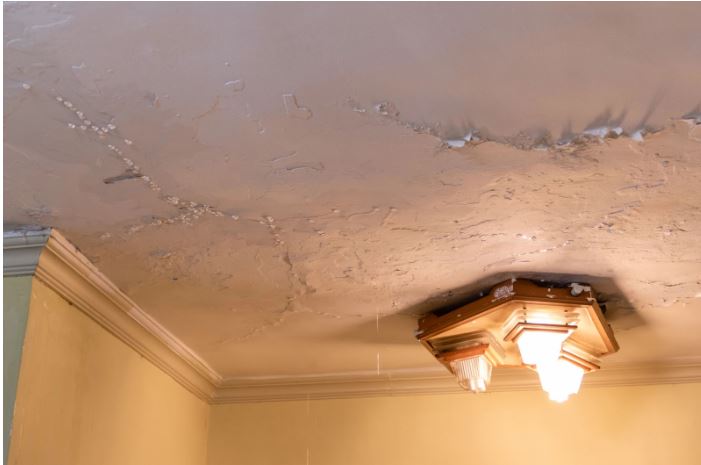
Visual cues, such as water stains on ceilings and walls, are often the first indicators of a potential leak. These stains may appear as discoloured patches or streaks, typically brown or dark yellow, and can range from small spots to large areas. While water stains can result from issues other than a roof leak, such as plumbing problems, they nonetheless warrant investigation.
Additionally, mould or mildew inside the home can suggest leaky conditions. Mould thrives in a warm, damp environment, making wet ceilings or walls prime real estate for growth. Not only can mould be harmful to health, but it also signals that moisture is infiltrating the home’s interior.
Dripping sounds during or after rainfall serve as another clue. Homeowners might hear drips coming from the ceiling or walls, indicating that water is seeping through weaknesses in the roof. It’s not just these auditory cues; sometimes, changes in the atmosphere are a giveaway too.
An unexplained increase in indoor humidity levels is another red flag. When a leak occurs, it introduces more moisture into the air, which can affect not only comfort levels but also the home’s interior environment. The rising moisture may affect wallpaper, warp wooden furniture, and create condensation on windows, which otherwise wouldn’t occur.
Understanding the Causes of Roof Leaks
Before one can fix a leak, it’s vital to understand what might be causing it. Several factors can lead to a compromised roof, each contributing to the possibility of water infiltration in different ways.
The impact of poor roof installation or the use of faulty materials is considerable. If shortcuts were taken during the installation phase or if substandard materials were used, it’s likely that issues will arise later. A proper installation ensures that shingles are laid correctly and that all components fit together seamlessly to prevent gaps and vulnerabilities.
Environmental factors play a significant role in the lifespan of roofing materials. Storms and heavy winds can lift or even rip away shingles, leaving the underlying elements exposed. Flying debris can also cause physical damage to the roof, creating entry points for water.
It’s easy to overlook the roof for maintenance, but doing so isn’t wise. Neglected maintenance can lead to a gradual deterioration of roofing materials, exacerbating small problems until they become significant issues. Regular inspections and upkeep are necessary to ensure long-term durability.
Age and general wear and tear are inevitable, impacting roofing materials over time. Asphalt shingles, the most common roofing material, have a typical lifespan of between 20 and 30 years. Beyond this, they can become brittle and crack, or their granules may wear off, reducing effectiveness. Recognising the limitations of roofing materials contributes to better planning and more timely maintenance.
How to Conduct a Basic Roof Inspection
Conducting a basic roof inspection can be beneficial to catch the signs of potential leaks before they worsen. Homeowners can follow these straightforward steps to visually assess the state of their roof.
First, an inspection from the ground is advisable. Taking a walk around the property allows for observation of the roof’s overall condition without the need to climb and risk injury. Look for visible signs of damage, such as missing or curled shingles, as well as areas where shingles appear damaged or out of place.
Moreover, it’s essential to assess minor details like flashing and gutters, which can be done at ground level and with a ladder for a closer look. Flashing is metal sheeting placed around roof features such as chimneys, skylights, or vents to prevent leaks. Damaged flashing is a common source of leaks, and it can be replaced or repaired.
Gutters and downspouts should also be checked for blockages that may cause water to pool. During rainfall, clogged gutters can direct water back up onto or into the roof rather than away from the house, leading to potential leaks.
Safety cannot be overstated for those who wish to undertake more detailed inspections. Proper precautions are essential when using ladders or climbing onto the roof. Ensuring the use of a sturdy ladder on level ground is crucial. Having a buddy system is advised in case of accidents. However, if a roof feels unsafe or the risk is too great, it’s best to err on the side of caution and consult a professional.
Additionally, learning how to spot a roof leak before it gets worse can significantly help homeowners identify early warning signs that may not be visible right away, such as water spots in the attic or minor leaks that are not immediately noticeable but could lead to larger issues over time.
Prevention Tips to Avoid Future Roof Leaks
Preventing future roof leaks involves both proactive maintenance and strategic planning. Several measures can be taken to avoid leaks before they occur.
Regular maintenance and inspections are the foundation of preventing roof leaks. A routine check-up can identify minor issues before they escalate, ensuring peace of mind and diminishing the likelihood of unexpected repairs.
Proper attic ventilation is another crucial aspect in avoiding leaks due to condensation. A well-ventilated attic allows moist air to escape, preventing condensation from building up and potentially damaging the roof. Proper ventilation involves having adequate intake and exhaust vents, ensuring airflow that keeps temperatures consistent and reduces excess moisture.
Cleaning gutters and downspouts regularly is also essential. This task, often best done in autumn, prevents blockages from debris that can cause water to pool around the roofline. By ensuring gutters are free from leaves, sticks, and other debris, water is directed safely away from the home.
Sometimes, the best approach is to bring in the professionals. Hiring certified and experienced roofing specialists to conduct thorough assessments and perform complex tasks is always valuable. They possess the expertise and tools to detect issues untrained eyes might miss, providing a more comprehensive evaluation and enabling timely intervention.
What to Do If You Find a Roof Leak
If a roof leak is discovered, prompt action is essential to mitigate any resulting damage. Several steps can be taken to handle the issue effectively.
First and foremost, immediate actions should be aimed at minimising water damage. Placing buckets under active leaks prevents floor damage and containing the water helps control the extent of the problem. If water accumulates on the ceiling, poking a small hole in the bulge lets water escape in a controlled way rather than letting it disperse and possibly cause further damage.
Documenting the damage for insurance purposes is the next priority. Taking clear, detailed photographs of affected areas before, during, and after the leak occurs provides vital evidence for insurance claims. Descriptions of the damage and maintenance records can also support any claim made to insurers.
In many cases, assessing the damage should lead to contacting professional roofers. If the issue is beyond temporary measures or appears complicated, calling a professional is necessary. Reliable professionals can offer appropriate long-term solutions and prevent the issue from recurring.
When selecting a roofer, it’s important to choose a contractor with a solid reputation for reliability and experience. Check reviews, ask for quotes, and ensure the contractor is licensed and insured. A reputable professional will conduct an inspection and discuss available options to remedy the problem.
Conclusion
Staying ahead of roof leaks through early detection and timely repair not only protects the physical integrity of the home but also contributes to peace of mind. Roof care should never be an afterthought. Instead, integrating regular roof maintenance into routine home care can prevent small issues from developing into substantial repair projects.
Remaining vigilant and proactive in identifying potential issues ensures a leak-free living environment. Encouraging regular inspections, performed either personally or by experts, is a wise approach to secure the home’s safety. After all, protecting one’s sanctuary is always worth the effort.
Homeowners are encouraged to periodically inspect their roofs or reach out to professionals who can provide services tailored to ensure lasting health and safety of their homes. With these efforts, embracing a proactive stance on home maintenance becomes a straightforward decision, enhancing comfort and security for years to come.
Write and Win: Participate in Creative writing Contest & International Essay Contest and win fabulous prizes.
About the Author