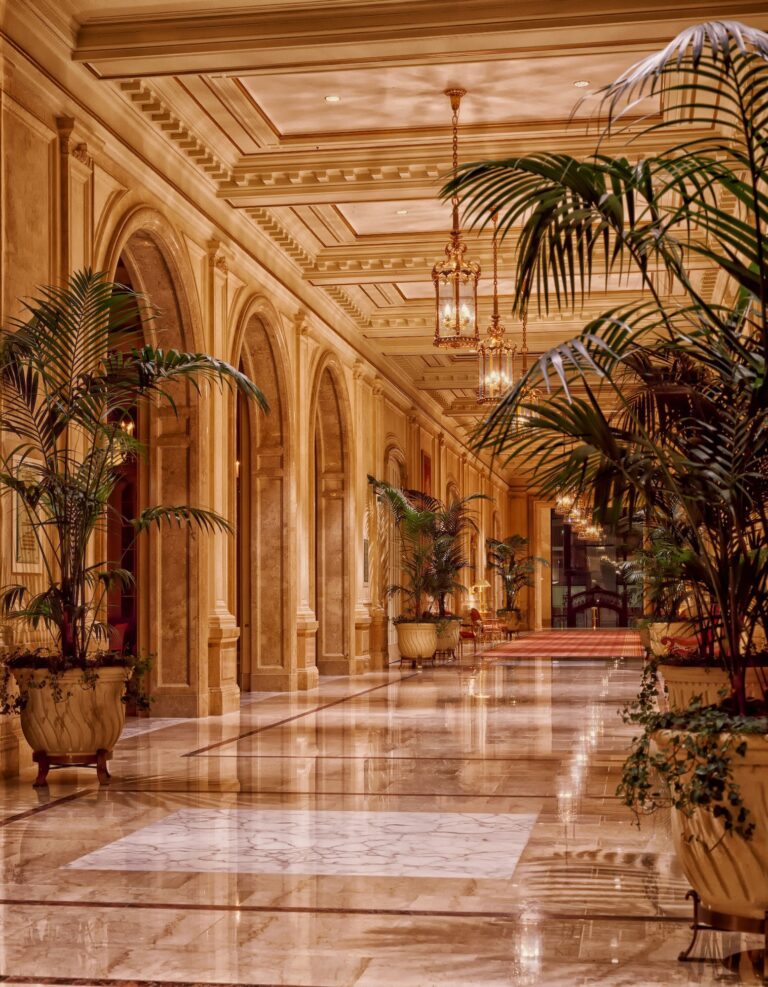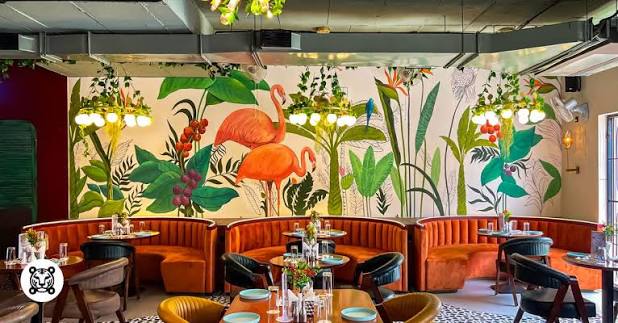
Your customers may only invest around thirty seconds to appreciate your walls. Throughout the entire stay, they focus on your table. The objects they can touch, feel, read, and judge within arm’s reach – such as the menu, cutlery, plate, and candle – are the most important.
The Tabletop As A Micro-Stage
Even before you are served your meal, the restaurant table sets the tone for your experience. You sit down, look around for a moment, and then your focus turns to what is in front of you. The menu in your hand, the feel of the table under your arms, the way the sunlight bounces off the cutlery. These sensory inputs form an expectation in the diner’s mind. They tell your customer what the food is going to taste like, whether service will meet their expectations, and if the meal is going to be worth the price.
None of this is abstract. The experimental psychologist at the University of Oxford, Charles Spence spent years researching how tabletop characteristics shape taste perception. The color, weight, texture, and even the sound of the cutlery clinking against your plate influence your brain’s evaluation of what is to come. The table is a sensory briefing. Your job as a restaurateur and designer is to shape this briefing purposely.
The Menu: Your First Physical Handshake
The menu is the first object a seated guest picks up. That moment – the lift, the feel, the first glance at the cover – is the first real brand interaction that happens at body-to-object level. Not visual, tactile.
A menu that’s too light feels cheap. A cover that’s slippery or shows fingerprints immediately signals poor investment. A binding that’s falling apart tells a guest something about how the kitchen might be run. None of this is conscious, but all of it registers.
This is why choosing personalised covers for restaurant menus matters beyond aesthetics. A rugged, grain-textured leather cover with a blind-embossed logo communicates something specific about a premium steakhouse before the guest has read a single item. A clean, matte buckram cover with minimal typography tells a different story – one that suits a modern vegan bistro or a Scandinavian-influenced tasting menu. The cover isn’t decoration. It’s the opening line of the meal’s narrative, and it needs to be consistent with everything that follows on the table and on the plate.
Beyond the cover, the physical construction of the menu matters. Single-sheet menus suit fast-casual concepts where turnover is part of the identity. A multi-page, bound menu with weighted pages signals that time is available and the experience is worth lingering over. Typography, spacing, and material all contribute to what menu engineers call the physical “promise” of the dining experience – the unspoken contract between the restaurant and the guest.
Matching Tableware To Culinary Identity
Not all plates are created equal – and the divide goes way beyond aesthetics. If you’re choosing between stoneware and porcelain, you’re making a call between two markedly different brand statements.
Rough-glazed, uneven stoneware with varied texture and muted, earthy tones says farm-to-table, artisanal, locally-sourced. Those ‘imperfections’ aren’t defects – they’re clues to hand-craft and provenance. Think menus that are farm-driven; wood-fired; or big on where the food comes from.
High-gloss, ultra-white bone china or fine porcelain says exacting, classical French technique. The plate is the canvas. The plate is the frame. The plate tells the guest that whatever is about to be delivered next is a precise, controlled, considered act.
Get those two mixed up and you’ve failed at design. Serve a rustic, ember-roasted vegetable on paper-thin white porcelain and you’re creating cognitive dissonance – the plate is promising something the food isn’t delivering, or the other way round. Get the material right, and the plate is reinforcing the story of the food before the first forkful hits the mouth.
The Science Of Cutlery Weight
Customers perceived the quality of their meal to be 15% better and were willing to pay more when using heavy, high-quality cutlery instead of lightweight cutlery (Charles Spence, Oxford University). This research result is particularly important for those who are calculating the costs of a tasting menu or justifying a cover charge in the middle of the week.
The flatware’s physics plays a role. A well-balanced knife, with weight evenly distributed between the blade and the handle, gives a sense of control and accuracy. A fork that is too light seems to be disposable. The customers cannot explain this, but they will enjoy their meal more, rate it higher and leave more satisfied.
For fine dining and upper-casual concepts, the minimum standard should be 18/10 stainless steel with a gauge heavy enough to feel substantial. For a concept built around raw materials and no-fuss cooking, brushed matte flatware with a simpler profile can still carry weight – literally – while matching the aesthetic. What you can’t do is serve ambitious food with flimsy cutlery and expect the guest’s perception to match your intention.
Linens, Surfaces, and The Language Of The Table Base
Using tablecloths or going bare is the most straightforward design element to send signals at your table.
Heavy double-damask linen in crisp white or ivory creates quiet. It muffles sound, slows the pace of the table, and signals that formality is welcome here. It’s the physical equivalent of lowering the volume. Guests unconsciously pace themselves differently at a clothed table.
Exposed reclaimed timber, on the other hand, brings rawness, warmth, and a kind of honest energy that suits industrial, gastropub, and natural wine concepts. Paired with leather or waxed canvas placemats, it grounds the table in tactile contrast. The surface tells guests it’s fine to eat with their hands, share plates, and linger without ceremony.
Neither approach is superior. Both are correct – for the right concept. Where restaurants fail is when they default to whichever option is cheaper rather than asking which one is consistent with the story every other element on the table is telling.
Accessories That Hold The Narrative Together
Standard condiment containers such as bottles can destroy the atmosphere. Any restaurant that puts effort into its interior, table settings, and how the menu is presented will immediately lose its charm once a branded ketchup bottle made of red plastic is placed on the table along with a custom-made ceramic plate.
Accessories that go with the general look and feel are not extravagant but essential for any restaurant that is serious about maintaining the integrity of its design. For example, ceramic pinch pots can be used for flaked sea salt. A brass or iron pepper mill can match the restaurant’s era or aesthetic appeal. A water carafe with a profile that feels like it belongs on this specific table. None of these items have to be expensive, but they need to be planned out.
The bottom line is that if a guest could take an item off your table and find it in any generic hospitality catalogue, it is downplaying the importance of everything else you’re putting in. This doesn’t mean custom-made, but it does mean custom-selected. Find pieces that work with your concept and your theme rather than landing with what’s most affordable.
Tabletop Lighting and The Frame Of Intimacy
The way a table is lit has an outsized effect on how the food looks, how close guests feel to each other, and how long they stay. Overhead lighting is for kitchens. The table needs its own light source, low and warm, close to the surface.
Amber glass votives, beeswax candles, small cordless LED lamps with a warm color temperature – these form a circle of light that’s tight enough to make the table feel like a room within a room. They highlight the surface detail of the plate, the steam rising from a bowl, the color of a wine. They don’t flatten everything the way a ceiling wash does.
The specific format of the light source should match the concept. A brass oil lamp suits a classic bistro or a heritage-led pub. A sleek, matte black cordless lamp fits a modern European concept. A short pillar candle in a concrete holder belongs at a contemporary Nordic-style restaurant. Again, it’s not about the object in isolation – it’s about whether it belongs in the same conversation as everything else on the table.
Closing The Loop At Payment
The bill presenter is the last physical object a guest touches before they leave. After everything you’ve done to build atmosphere, tell a story, and create an experience that justifies the price on the menu, handing over the bill in a generic black plastic folder undoes a meaningful portion of that work.
A leather bill holder that matches the menu cover. A wooden presenter that echoes the table surface. A fabric-bound folder in the same tonal palette as the interior. These aren’t afterthoughts – they’re the closing sentence of the narrative. The guest’s final impression of the physical experience is formed in that last moment of transaction, and it matters.
The tabletop experience is a complete design problem. It starts with the menu cover and ends with the bill presenter, and every object in between either reinforces the restaurant’s identity or quietly works against it. Solve it with the same intention you bring to the kitchen and the design of the room, and the results will show up where it matters most – in how guests talk about the experience when they leave.
Write and Win: Participate in Creative writing Contest & International Essay Contest and win fabulous prizes.
About the Author