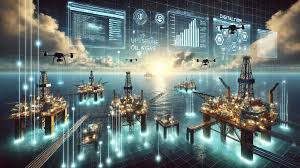
The upstream oil and gas industry depends on accurate decisions at every stage. Exploration and production require careful planning and constant evaluation. Data now plays a central role in guiding these decisions. It helps companies reduce uncertainty and improve outcomes. In upstream operations, every choice affects cost, output, and long-term value. Companies that rely on structured data gain better control over risks. They also improve efficiency across assets and locations. Advanced data capabilities such as UpstreamAI support deeper analysis and faster interpretation of field information. This shift allows companies to move from reactive actions to planned execution. As a result, upstream oil and gas organizations achieve more stable and predictable performance.
Understanding the Upstream Sector: Exploration and Production
The upstream sector acts as the starting point for the entire global energy industry. It focuses on finding raw materials and bringing them to the surface for use. This stage involves two main parts, known as exploration and production. Exploration starts with geologists looking for signs of oil or natural gas deposits. They use seismic waves to create images of the Earth beneath the surface. This work requires high skill and very expensive equipment to get right. Production begins once a company finds a viable source of energy to extract. Engineers build wells and install pumps to move the fluid or gas upward. This phase lasts for many years or even decades for some large fields. Managing these operations requires constant monitoring to ensure safety and environmental protection. UpstreamAI supports these activities by improving how teams interpret data across exploration and production stages. This leads to more accurate decisions and better operational outcomes.
How Data Shapes Exploration and Production Decisions
Data now serves as the primary compass for every leader in the energy business. Data allows teams to predict where hidden resources lie with much higher accuracy levels. The following points explain how this data changes the way companies operate today.
-
Subsurface Mapping and Reservoir Identification
Computers process seismic data to create three-dimensional maps of rock layers. These maps show faults and traps where oil might hide from plain view. Geologists look at these digital models to pick the best spots for drilling. This method saves billions of dollars by avoiding dry holes in the ground. UpstreamAI helps firms organize these massive data sets for quick access. High-resolution images make it easier to see thin layers of productive rock. Teams can zoom into specific areas to study the density of the stone. This clarity reduces the risk of starting a project in a poor location. Better maps mean less land is disturbed during the initial search phase. Modern explorers use these maps to find resources in places once thought to be empty. This precision keeps the search efficient in the upstream oil and gas sector.
-
Real-Time Visibility Across Drilling Operations
Sensors on the drilling equipment send live updates to offices thousands of miles away. Workers monitor the speed of the drill bit and the pressure of the mud. This flow of information prevents accidents by spotting small changes in well behavior. If the pressure rises too fast, the system alerts the crew immediately. Quick reactions save lives and protect the surrounding environment. Data also shows when a part might fail before it actually breaks down. This predictive approach keeps the machines running without long stops for repairs. Many upstream operations depend on this constant stream of performance metrics. UpstreamAI supports faster interpretation of this incoming data. Steady work leads to more predictable production schedules for the entire energy company.
-
Production Optimization Through Flow Analysis
Once a well is open, the focus shifts to getting the most out of it. Data helps engineers understand how fluids move through the tiny pores in rock. They use this knowledge to adjust the pump speed or injection levels. Small tweaks can increase the total amount of oil recovered over several years. Every extra percentage of recovery adds huge value to the project. The use of upstream oil and gas data allows companies to track resources in real time. Sensors inside the pipes measure the ratio of water, gas, and oil. This data tells the team if they need to change their extraction strategy. Consistent monitoring ensures the well stays productive. Many upstream operations rely on these insights to extend asset life.
-
Cost Efficiency Driven by Operational Analytics
Operating in remote areas or deep oceans costs a significant amount of money. Analytics tools find ways to cut waste in daily operations. For example, data shows the most efficient way to run diesel generators. It also helps plan routes for supply ships and transport helicopters. Cutting fuel use lowers emissions and saves money. UpstreamAI helps analyze operational data to improve cost planning. Buying the right tools at the right price keeps the budget under control. Lower costs allow companies to continue working during market fluctuations. Many upstream oil and gas firms depend on these improvements.
-
Environmental Monitoring and Risk Management
Protecting the environment remains a key responsibility in energy production. Data helps track water usage and ensures waste stays within limits. Sensors around the site monitor the air for signs of escaping gas. Companies use satellites to observe changes in nearby land and water. This constant monitoring supports compliance and safety standards. Many upstream operations depend on these controls to reduce risk. UpstreamAI supports better visibility into environmental performance. This transparency builds trust with regulators and communities. The upstream oil and gas sector benefits from stronger accountability.
Bottom Line
Modern energy work depends on a strong connection between physical operations and data insight. Data reduces uncertainty and supports better planning across projects. Strong upstream operations help companies stay competitive in global markets. Teams must focus on clean data, reliable sensors, and skilled staff. These elements ensure that information turns into effective action on the ground.
The future of energy will rely on more sensors and better ways to understand the Earth. This progress will support efficient resource use and reduce waste. Continued technology growth will strengthen the upstream oil and gas sector and support long-term stability.
Write and Win: Participate in Creative writing Contest & International Essay Contest and win fabulous prizes.
About the Author