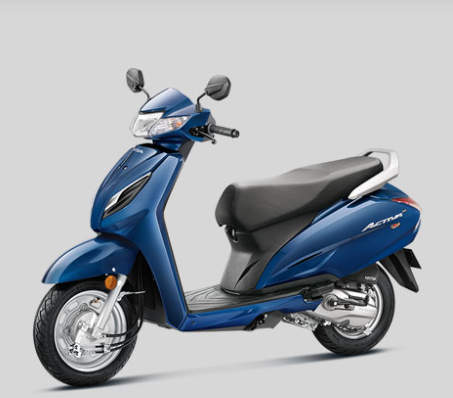
Electric scooters are becoming an increasingly popular choice for modern commuting, especially in busy urban environments. They offer lower running costs, reduced emissions, and quieter performance compared to traditional petrol-powered two-wheelers. However, many buyers focus primarily on the advertised or ex-showroom price without fully understanding the total amount payable.
In reality, the on-road price of an electric scooter includes several additional components beyond the manufacturer’s listed cost. From registration and insurance to government charges and dealer fees, multiple factors influence the final figure. In this blog, we will explore what determines an electric scooter’s on-road price and how each element contributes to the overall expense.
What is the On-road Price?
The on-road price of an electric scooter refers to the final amount a buyer must pay to legally own and operate the vehicle. Unlike the ex-showroom price, which reflects only the manufacturer’s base cost, the on-road price of an electric scooter considers multiple factors beyond the listed figure that shape the total investment required.
This figure represents the complete ready-to-ride expense. Depending on the model, specifications, and region of purchase, the on-road price of an electric scooter can vary significantly. For this reason, it is essential to understand each contributing factor before making a decision.
Bajaj Chetak C2501
Image Source: Bajaj
Key Factors That Influence the On-road Price of an Electric Scooter
Several cost components collectively determine the on-road price of an electric scooter. This ranges from the manufacturer’s base pricing to statutory requirements and optional upgrades selected at the time of purchase.
- Ex-showroom Price
The ex-showroom price serves as the foundation for an electric scooter’s on-road price. It is the initial cost determined by the manufacturer and reflects the scooter’s design, materials, engineering quality, and technical specifications. Features such as advanced braking systems, digital displays, premium finishes, and enhanced suspension setups can increase this base amount.
Since all additional charges are calculated on top of this figure, even a slight difference in ex-showroom pricing can noticeably influence the final on-road price of an electric scooter. Buyers comparing multiple models should therefore carefully examine the base price.
- Registration and Licensing Fees
Registration is a mandatory legal requirement in many regions before an electric scooter can be used on public roads. These charges typically include registration certificates, number plates, and administrative documentation costs. Such fees are automatically added to the on-road price of an electric scooter at the time of purchase.
The exact cost may vary depending on local regulations and vehicle classification.
- Road Tax and Government Charges
Road tax is another statutory element that influences the total payable amount. This levy is imposed by regional authorities to permit vehicles to operate legally on public infrastructure. The amount payable often depends on local transport policies and vehicle classification.
In regions where electric mobility is encouraged, partial or full exemptions may apply. In such cases, the on-road price of an electric scooter may be reduced. However, where incentives are limited, road tax can increase the final amount considerably.
Changes in government policy can also affect the on-road price of an electric scooter, making it important for buyers to check current regulations.
- Insurance Premium
Insurance is typically compulsory before riding an electric scooter on public roads. At a minimum, third-party insurance is required in most areas, while comprehensive cover provides broader financial protection against theft, accidental damage, and environmental risks.
Insurance premiums are influenced by factors such as the scooter’s value, power output, and registration location. Higher-value models generally attract higher premiums, which directly impact the on-road price of an electric scooter.
The first-year insurance premium is often included in the quoted on-road price of an electric scooter, making it a significant component of the total cost.
- Battery Capacity and Technology
The battery is one of the most critical and expensive components of any electric scooter. Larger battery capacities provide extended riding range and improved performance, but also increase manufacturing costs. Most standard electric scooters today typically offer battery capacities in the range of 2.5 kWh to 3.5 kWh, which balance everyday commuting needs with affordability. As a result, battery specifications play a major role in determining the on-road price of an electric scooter.
Modern lithium-ion battery systems often include advanced battery management technology to enhance safety, efficiency, and longevity. While these innovations improve overall reliability and charging performance, they also raise production expenses, which ultimately affect the final on-road price of an electric scooter.
- Dealer Charges and Optional Add-ons
Beyond statutory costs, dealerships may include handling charges, logistics fees, and documentation expenses in the final invoice. Although individually smaller than major components such as battery or insurance costs, these charges collectively influence the on-road price of an electric scooter.
Optional add-ons can further increase the total amount payable. Buyers may choose extended warranties, fast chargers, upgraded connectivity systems, or enhanced security features. While these extras are not mandatory, selecting several upgrades can significantly raise the on-road price of an electric scooter, making it important to prioritise essential features.
Choose the Right Model by Understanding the Complete On-road Price
The on-road price of an electric scooter reflects the total investment required to bring your vehicle from the showroom to the road. While the ex-showroom price forms the base, additional components such as registration, insurance, government levies, battery specifications, and dealer charges ultimately shape the final payable amount.
When evaluating established brands like Bajaj, it is essential to look beyond the headline price. Models like the Bajaj Chetak C2501, 3501,3502, and 3503 differ in battery capacity, technology integration, and feature offerings. By carefully reviewing the full cost breakdown, buyers can make a confident, well-informed decision that balances performance, practicality, and long-term value.
Write and Win: Participate in Creative writing Contest & International Essay Contest and win fabulous prizes.
About the Author