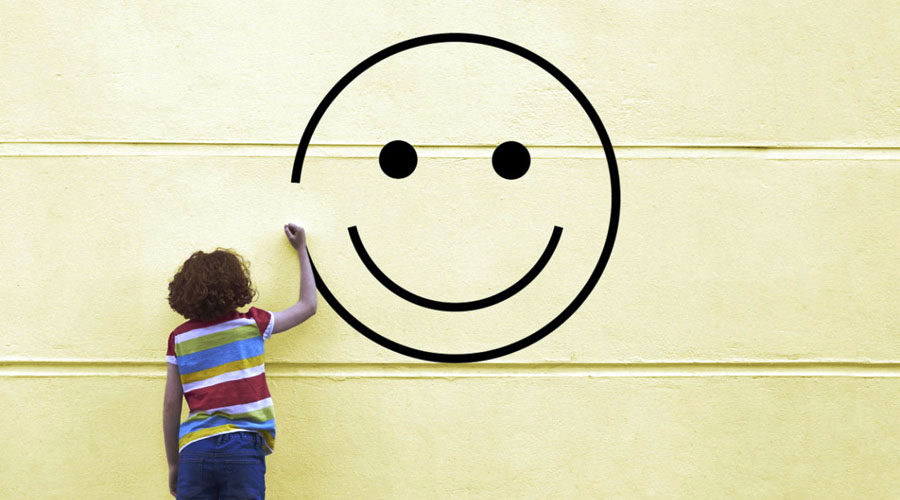
Happiness Photo : cavemaninasuit.com
Many people believe that saving money is the smartest thing to do. Parents, teachers, and society often repeat the same advice: save money for the future, spend only when you must, and prepare what might go wrong. Saving money is often seen as the best way to live. But money is not exclusively for the future. Being willing to spend now can provide a type of value that saving cannot. Spending on enjoyment or happiness, no matter how brief, can offer a wonderful rate of return.
In South Korea, people say that saving is the most important thing in life. Housing is expensive, jobs are uncertain, and people worry about retirement. Because of this, young people feel pressure to save. Everyone is told that a bigger bank account means a safer and better life. However, you can’t save happiness. Yes, watching numbers go up in a bank account can bring peace, but in reality, it does not equate to memories, friendships or experiences. If a person spends their entire life preparing for the ‘later’, when later finally arrives, they will look back at having given up a big part of their life.
This pressure is stronger in Korea because of the housing crisis and the youth debt problem. A small apartment in Seoul can be over hundreds of thousands, even millions of dollars. It is higher than the reach of an average worker’s salary. According to Korea JoongAng Daily (2023), the average debt of households led by people in their 20s is nearly 50 million won, with a debt to asset ratio of 49.3%, far higher than other age groups. Therefore, saving feels like a race they caanot reach to the goal.
One of the issues today is that bank interest rates are going close to 0%. South Korea’s deposit rate in 2025 is about 2.5%, but living costs and housing prices rise faster. So it doesn’t make sense to say you are saving money because inflation slowly eats away at their real value. This is why many young Koreans have canceled special “high-interest” youth savings accounts. According to The Korea Times (2025), workers left the Youth Leap Account despite its government baced benefits, because rising living costs made it unsustainable.
For young people, funneling every penny into savings while housing prices rise higher creates hopelessness. This is not to say saving is useless. Having emergency funds and financial stability is important. But in today’s world, saving alone is not enough, and saving without purpose can become a habit that sacrifices happiness without truly improving the future.
Some young people take the opposite extreme because saving feels useless and saving is a waste of time and money. They adopt the mindset of “if I can’t buy a house anyway, I may as well enjoy life now.” This has led to trend “탕진잼” (the joy of spending everything) and increased impulsive spending. For example, many young people spend a large portion of their earnings on luxury items such as designer bags, expensive clothing, latest technology and gadgets. Some young people spend excessive amounts of money on convenience, like premium coffee or delivery food, and other conveniences, which can add up to a staggering amount of money over time.
Social media does not help the matter. Young people compare their lifestyles to influencers flashing wealth and luxury, with a splurge of convenience and more. There is nothing wrong with enjoying life. However, unconsidered spending can lead people to debt, not allowing for more options for the future. Credit card bills pile up, and instead of freedom, they feel chained to the stress of debt.
Real world examples show this danger. Studies show about 30% of lottery winners eventually go bankrupt (NGPF, 2023). Likewise, wealthy people often report higher levels of depression than average earners (PsychCentral, 2023). This shows that careless spending is not the answer either.
So, if saving seems pointless, and careless spending is dangerous, what is the right approach? The answer might be to consider spending as an investment, not in numbers, but in our lives. It is not about asking “Should I spend or save?” but “Where should I spend so that I get the greatest return in happiness and personal growth?”
A luxury bag may lose its shine in a year or so, but a trip with friends or family or even solo creates together stories that can last a lifetime. Experiences tend to bring a greater sense of happiness and deeper relationships. Studies show spending on experiences brings more lasting happiness than material goods (Forbes, 2023).
Investing in education, books, hobbies, and skills is one of the best forms of investment a person can make. These purchases build confidence, knowledge, and opportunities that can return immensely in the future. For example, if you invest in a language course or an online skill program, it might help you to earn better jobs and better life experiences. In Korea, where education is often a pathway to opportunity, this kind of spending is especially impactful.
It is important to realize that dinners with parents, a thoughtful gift for a friend, or even just traveling to visit someone are not things that are a waste of money. These relationships have real value and they help to create emotional safety. In the same way that financial savings provide a buffer against risk, strong relationships provide protection against loneliness and despair. A 2024 study found that family life satisfaction and social connections were among the strongest predictors of happiness in Korea (ResearchGate, 2024).
Buying a cup of coffee or a good meal can brighten the day. The danger is not in small joys, but in turning them into uncontrolled habits. Moderation is the key. Moderation can mean creating a “happiness budget, in tentional part of income set aside for joy. This provides balance: everyday pleasures without falling into debt.
When one thinks about wealth, the first things that may come to mind are things like property, bank accounts, and material possessions. The traditional notion of wealth. Today, young people are seeing wealth differently. If owning a house is out of reach, maybe wealth can mean something else: the wealth of memories, the wealth of friendship, the wealth of personal growth.
A person who has a limited income but a life filled with good experiences may be richer than a person with millions, but no happiness. This is not to suggest that luxury products provide genuine happiness. Studies show that while people experience short-lived happiness as the result of buying luxury products, that happiness does not last, as opposed to the longer-lasting happiness from personal growth and relationships (Frontiers in Psychology, 2022).
Many young people, especially students and recent graduates, feel hopeless when it comes to saving money. With low-interest rates and prices on housing skyrocketing, it feels like there is no fighting chance. Unfortunately, in addition to helplessness, recklessness in spending habits means many people will be left with nothing but regret. The hard part now is to talk about how to find balance; to be able to use money in ways that will secure your future while at the same time, making your now, worth living.
Happiness is an investment, and it is one that can and should be treated that way. Whether spending on life experiences, self-improvement, or the people we choose to spend time with and learn from; all of these help us to build a kind of wealth that no bank account, savings account, or any amount of cash can ever compete with or compare to. This is not to say that “saving” and “having a plan” should be disregarded. But rather to say, that the best investment we can make, can not be quantified or measured and is experienced in the best moments of our lives; the moments that make life worth living.
When happiness becomes the best investment, money loses value in how much we have come to own and moves firmly toward how we choose to live. And since savings alone cannot guarantee a better future, perhaps the wisest investment we can make is to spend each day building a life worth remembering.
By: Soorin Choi
Write and Win: Participate in Creative writing Contest & International Essay Contest and win fabulous prizes.
About the Author