power
In our daily lives, finance often appears as a frantic rush of stock tickers, interest rate news, and market forecasts. We focus on the immediate waves, but beneath the surface, much deeper and more powerful tides are at work. A broader consideration of the history of economics will reveal to us that the fortunes of nations are neither arbitrary. They are driven by predictable, long-running financial cycles. These grand cycles are founded upon laws of universal debt, currency, and internal economic prosperity. These forces provide us with a critical background in which to frame the enormous realignments of global power that we see today.
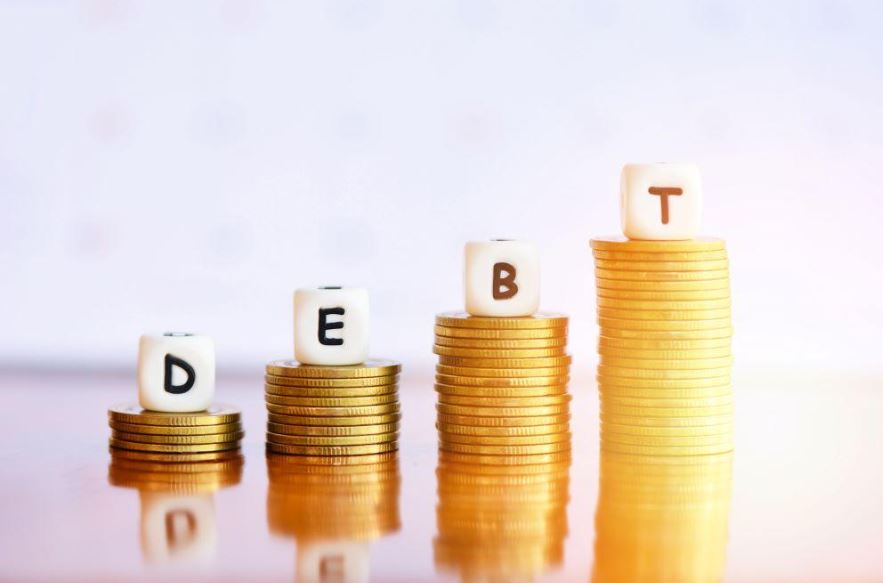
Central to national business cycles is the long-term debt cycle, which is a process that can persist up to 50 to 75 years. This cycle is distinct from the shorter-term business cycles we often discuss. It begins with a productive era where borrowing fuels real growth. Credit builds industries, funds innovation, and raises standards of living. Incomes go up for a period alongside debt levels, creating a virtuous cycle of prosperity and optimism. However, long-term Success can then lead to complacency and excess.
Asset prices, be they stocks or property, are pushed into bubble territory, financed by ever-growing levels of debt. Then, at some point, a point of no return is reached where the debt grows beyond the level of income available to service it. The cycle then inevitably reverses. This begins the deleveraging process, a painful period of economic contraction. Historically, nations at the end of this cycle face a monumental challenge. When growth is too slow and debts are too high, there are only a few difficult paths forward.
Austerity is politically painful and can worsen a downturn. Defaults can trigger a catastrophic financial collapse. Policymakers thus find themselves drawn to an ostensibly easier solution: printing enormous amounts of new money. While this will temporarily lower the debt burden by making it cheaper to pay, it sets in motion a cycle of currency debasement that irretrievably alters the underpinning of the nation’s finances.
For a nation at the peak of its power, one of the greatest economic advantages is to have its currency universally accepted across the globe as the medium of choice for trade and savings— a reserve currency. This status grants what has been called an “exorbitant privilege.” The country can buy goods and services from the rest of the world and finance its deficits by simply printing more of its own money, a luxury no other nation possesses. This allows it to sustain a level of consumption and military spending that would otherwise be impossible.
Yet, this privilege is also a trap. The constant global demand for its currency allows the nation to live beyond its means for decades, accumulating enormous debts. Eventually, as the country continues to create money to pay its bills, other nations begin to question the currency’s reliability as a store of value. They see its purchasing power eroding through inflation and begin to doubt the controlling nation’s economic discipline. This loss of faith is a critical inflection point. Creditor nations start to sell their holdings of the currency and seek safer assets, such as gold or the currency of a promising new economic power. This process marks the beginning of the end for the currency’s dominance and is a clear signal of a shift in the global order.
A nation’s external economic power is ultimately a reflection of its internal health. A historical pattern shows that as dominant powers mature and become heavily indebted, they almost always experience severe internal economic fractures. The most corrosive of these is a widening wealth and opportunity gap. As the financial system incentivizes asset ownership, wealth becomes more concentrated, and wages for the majority of the populace stagnate. This economic divergence fuels intense social and political conflict.
Politics becomes a zero-sum endeavor, with parties vying for a shrinking economic pie rather than working together to grow the pie. This polarization causes gridlock, preventing the government from offering the hard, long-term decisions necessary to repair its underlying fiscal problems—like reforming taxes, controlling spending, or investing in education and infrastructure to enhance productivity. A country engaged in self-destruction cannot compete successfully on the world stage. Such self-destruction is a strong leading indicator of a country’s forthcoming destruction, as its social fabric wears thin and it loses the unity of purpose needed to hold its place in the world.
In sum, the birth and death of great powers is no mystery but a story written on account books and balance sheets. Long-term accumulation of debt, the cycle of reserve currency, and the state of domestic economic unity are the driving forces behind these historic twists of fate. By looking past the short-term volatility of the markets and taking a look at these underlying financial indicators, we can understand the larger patterns at play. These cycles indicate to us that the dominance of no single country is unlimited and that the world financial system is ever subject to reorientation, governed by the ageless and merciless laws of finance.
By: Chan Tsz Ho Shaun
Write and Win: Participate in Creative writing Contest & International Essay Contest and win fabulous prizes.
About the Author