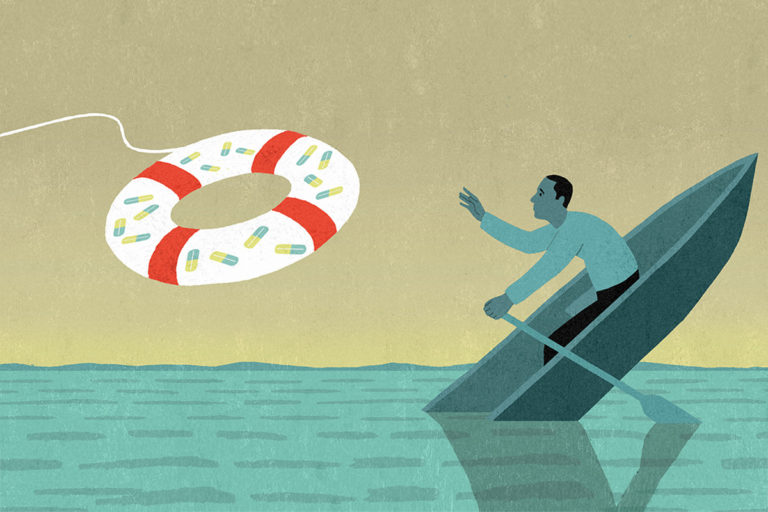
Inflation significantly impacts daily life. It also affects the value of a country’s currency. Furthermore, the impact of inflation can increase or decrease people’s purchasing power. When inflation occurs, it significantly impacts a country’s economy. High inflation creates price instability and further declines the economy. Low inflation, on the other hand, tends to lead to a stable and growing economy.
Inflation is the process of significantly increasing the price of goods and services. When inflation occurs, people’s purchasing power decreases, leading to economic instability. Inflation can be influenced by several factors, including: an overabundance of goods in warehouses accompanied by low demand for those goods, higher than usual operational and production costs, and natural disasters and prolonged wars that cause global oil prices to soar. The effects of inflation on people’s purchasing power include: first, the price of basic goods tends to rise. When inflation rises or is high, the price of basic goods tends to rise as well. People will also spend more money on basic necessities, especially essential items like oil, rice, sugar, and so on. Second, people’s purchasing power will decrease. The resulting price increases will indirectly affect people’s desire to buy certain products. People will prefer products that are more necessary for daily needs over expensive products that are unaffordable for many.
Third, consumption will change from usual. People tend to be more cautious when purchasing certain products. They will reduce their purchases of more expensive products than usual, and they will prefer cheaper options. Fourth, there is high social inequality. Higher inflation will impact lower-income groups. Those with fixed incomes, such as employees earning the minimum wage, will be severely impacted because they lack sufficient funds to adjust to the price hikes for basic necessities. Meanwhile, high-income people tend to have assets to offset price increases by selling some of their assets. Fifth, there is financial policy to combat inflation. The government will strive to suppress inflation. One way the government can do this is by raising interest rates by increasing lending. High borrowing will become capital for purchasing goods and services.
However, rising interest rates and high borrowing rates have negative impacts: first, domestic consumption declines. Consumers will be more cautious about spending their money, reducing their purchasing power. Investment will be restrained. Businesses will tend to reduce investment and asset purchases. Second, economic competitiveness declines. Over time, high borrowing will reduce a country’s economic marketability internationally. There are several ways people can reduce the rate of inflation: first, proper and transparent budget management. One way to combat inflation is through proper financial management and more prudent spending. People can create a detailed monthly budget strategy by reducing luxury purchases. People can save money and reduce unnecessary energy consumption. Second, safe investments. To combat inflation, many people turn to investments that protect them, such as gold, precious metals, and property. These assets tend to be stable in the market even when inflation increases. People can also turn to stocks or other financial instruments with more profitable returns. Third, there is more than just one business (Certified Income). People should be able to run multiple businesses and not rely on more than one. People can use side businesses, invest in stocks, and work part-time to increase their income.
High inflation can impact people’s purchasing power, worsen the economy, and add to the challenges of daily life. With appropriate and transparent financial policies, the government can maintain a stable inflation rate. The government and the public can collaborate to address rising inflation. This collaboration will create checks and balances between the government, businesses, and the public. As individuals, efficient financial management is necessary to suppress the volatile rate of inflation.
Prioritize more useful and beneficial things so that future economic changes can be addressed immediately. Think calmly and progressively so that all financial policies are not wasted, and the economy can eventually become the backbone of national life.
By: Imanuel Mustika Aji Septiarani
Write and Win: Participate in Creative writing Contest & International Essay Contest and win fabulous prizes.
About the Author