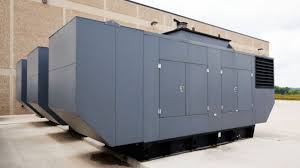
Standby Backup Generators
Standby backup generators are permanent power systems that activate automatically when there is a power cut. They are not like portable generators, as they are mounted outside your building or home and connected directly to your electrical system. When the mains supply loses power, the generator turns on in seconds and continues to power your lights, heating, and appliances.
They are widely installed in premises where power loss can lead to serious issues — such as hospitals, care facilities, data centres, and commercial premises. But an increasing number of households are also opting to have them installed at home, particularly in rural communities where there are more power outages.
How Do They Work?
A standby generator is fed into your home’s electrical circuits and typically powered by natural gas or liquid propane. When there’s a failure in the mains, a transfer switch senses the loss and instructs the generator to kick on. Once operational, it provides the power supply until mains comes back on.
When the primary power returns, the generator cuts off and the system switches back automatically. It takes only seconds for all this to happen, with no one having to touch a button.
Regular checks are needed for the generator, but months can go by and it is still ready to go. Many systems will run self-tests every week to ensure everything is functioning as it should.
Why People Install Them
The largest reason for putting in a standby generator is peace of mind. Power outages can do more than be inconvenient — they can ruin equipment, spoil food, impact heating, and disrupt work. For companies, even a brief outage can result in lost sales or data.
At home, backup generators are typically employed by individuals dependent on medical appliances, or those who work from home and require a continuous supply of electricity. They’re also common in places with poor power or harsh weather, where blackouts frequently occur.
Unlike portable generators, which must be installed and activated manually, a standby system operates automatically and can provide power to the entire property — not just an item or two.
What to Consider Before Installation
Installing a standby generator is a long-term decision. You’ll need enough outdoor space for the unit, and access to fuel — either a mains gas line or a storage tank. The generator also needs to be fitted by a qualified electrician or installer who understands the wiring and safety standards.
Cost is also a consideration. Though portable generators are less expensive, standby systems provide greater convenience and can run the entire house or building. The cost varies by the size of the generator, the features you select, and the fuel type.
It’s also worth considering noise. Some generators are noisier than others, and if you have neighbors nearby, you might prefer a model that can run quietly.
Maintenance and Running Costs
Standby generators require little daily attention, but they require servicing. This involves checking the fuel level, oil change, battery test, and full checks once or twice annually. Most companies include maintenance plans that cover these.
The expense of operating the generator varies with its usage and the cost of fuel. Most often in homes, it will only need to operate for a few hours a year — enough to keep everything going while the mains power returns.
Standby backup generators give you dependable power when you need it most. For a home or office, they deliver a sense of protection and security that portable systems simply can’t provide — and once installed, you’ll barely know they’re there until the lights go out.
About the Author