Environmental
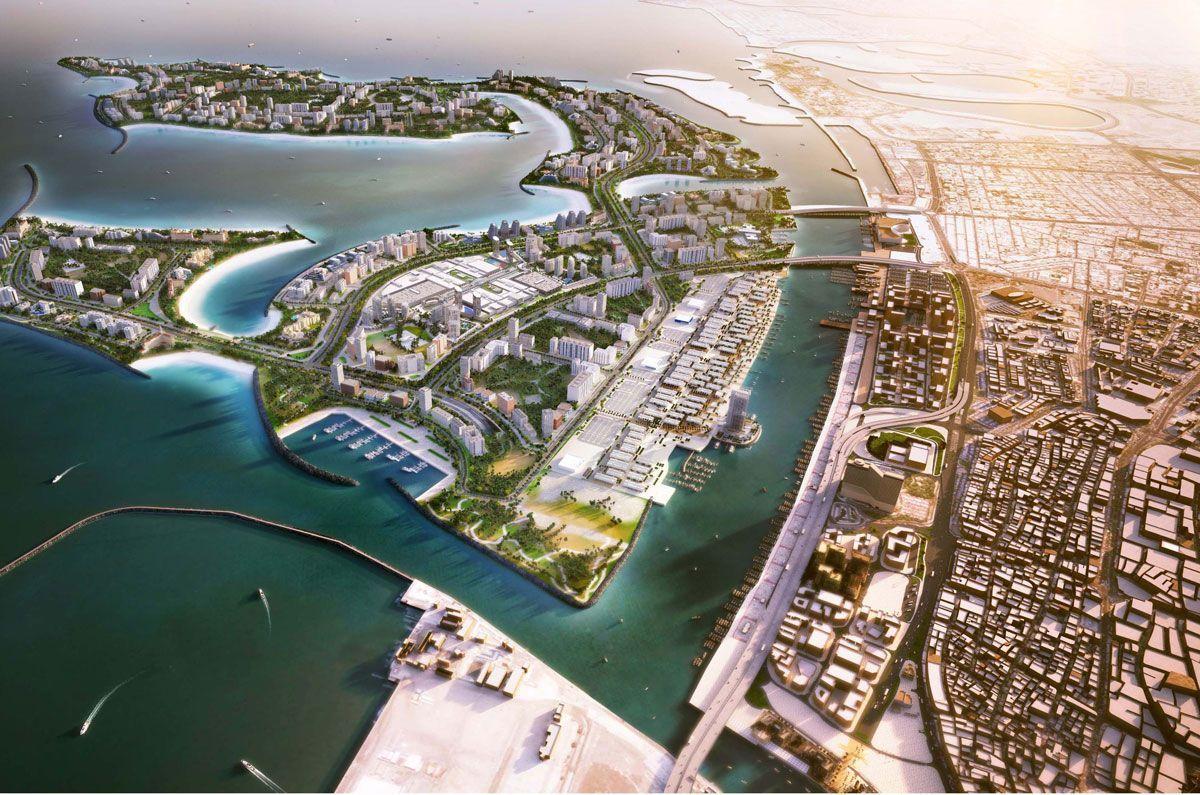
The emergence of Dubai Islands marks a significant addition to the city’s evolving urban fabric. Positioned along Dubai’s northern waterfront, the multi-island development spans 17 square kilometers and is being planned as a long-term residential and tourism destination. Developed in line with the Dubai 2040 Urban Master Plan, the project consists of five interconnected islands—each with distinct zoning for housing, hospitality, leisure, and recreation.
Dubai Islands offers an alternative to high-density downtown living by emphasizing walkability, access to nature, and integration between residential and public spaces. Its coastal orientation, scale, and regulatory framework signal that this is not merely a lifestyle development, but a strategic move to attract long-term residents and investors from abroad.
Residential Inventory Aimed at International Users
Several residential projects are currently in progress across the Dubai Islands, particularly on Central Island, which is designated as the primary mixed-use cluster. Among the active developments are Agua Residences, Isolana Residences, Cotier House by Imtiaz, Ellington Cove, Zephyra Residences, Arya Residences, and others. These projects are positioned across the mid- to upper-market spectrum, offering a mix of one- to four-bedroom apartments, penthouses, and duplex formats.
While pricing varies depending on unit size and location, most developments are built around shared features: access to car-free promenades, rooftop amenities, communal wellness spaces, and sea-facing layouts. The focus is on mid-rise construction and design-led architecture intended for both owner-occupiers and international landlords seeking income-generating assets.
Freehold Ownership and Visa Eligibility
One of the key structural advantages for foreign nationals is the project’s freehold status. Non-UAE citizens can acquire full ownership of residential and commercial property across all five islands. Moreover, real estate investments starting from AED 750,000 qualify for long-term investor visas, typically valid for two or ten years depending on the investment size.
This ownership framework appeals to expatriates, retirees, remote professionals, and international families seeking stable residency options in the region. Unlike other global coastal markets where foreign ownership may be restricted or encumbered by taxes, Dubai’s property laws provide a clear and accessible path to real estate-based residency.
Infrastructure, Connectivity, and Access
Although the islands are offshore, they are not isolated. The development is connected to the mainland via the Infinity Bridge and integrated into Dubai’s broader transport network. Travel times to Dubai International Airport, Downtown Dubai, and the city’s central business districts fall within a 15- to 25-minute range.
Internally, the masterplan includes provisions for electric mobility, water transport, and pedestrian circulation. Public marinas, shared ferry terminals, and soft-mobility corridors allow residents to move between islands without relying on private vehicles. This level of connectivity makes Dubai Islands a feasible location for year-round living rather than just seasonal or short-term use.
Amenities Supporting Long-Term Residency
Beyond housing, the Dubai Islands masterplan incorporates social infrastructure that supports full-time living. Educational facilities, healthcare centers, retail zones, and religious institutions are embedded into each island’s land-use plan. Public beaches, parks, and wellness trails offer residents access to recreational space without leaving the community.
Central Island is designed as the civic and service hub, with cultural venues, event spaces, and retail anchors forming a core around which residential projects are arranged. This urban logic supports a neighborhood model where essential services are within walking distance—a key consideration for residents relocating with families or seeking work-life balance.
Tourism Economy as a Parallel Layer
While the residential component is a major pillar, the islands are also part of Dubai’s long-term tourism strategy. The development will host over 80 hotels, ranging from eco-resorts and boutique hotels to branded luxury properties and family-oriented hospitality. The zoning ensures that tourism and residential uses coexist without competing for space or overloading infrastructure.
For property owners, this dual-use orientation presents opportunities to lease units on a short- or long-term basis depending on demand. It also brings a constant flow of activity to the district—through beach clubs, cultural events, and dining destinations—without compromising the liveability of residential zones.
Environmental Planning and Public Space
A central feature of the islands is their environmental integration. More than two million square meters are reserved for green open space, including parks, shaded walkways, and waterfront promenades. The layout supports passive cooling, stormwater management, and biodiversity preservation through thoughtful landscaping and coastal edge design.
The project also enforces Dubai’s updated green building codes, encouraging developers to meet efficiency targets across energy, water, and waste systems. For global citizens increasingly conscious of climate resilience and sustainability, this level of planning adds to the appeal of the area.
Positioning in a Shifting Global Market
Global mobility patterns have shifted in the last five years. Remote work, lifestyle migration, and international investment diversification have changed how and where people choose to live. Dubai has responded by broadening its residency offerings and aligning its real estate sector with global demand. The Dubai Islands project is a direct extension of this policy direction.
Its positioning—coastal, connected, regulated, and mixed-use—caters to a demographic looking beyond city centers. Rather than relying on speculative buyers, the project targets individuals and families seeking long-term access to services, infrastructure, and ownership rights in a stable jurisdiction.
Outlook and Strategic Importance
Dubai Islands is still in its early phases, with residential handovers expected between 2026 and 2029 depending on the project. However, infrastructure is progressing, and investor interest is growing across multiple markets. For Dubai, the project fills a geographic and demographic gap: offering coastal housing supply to a global audience without the density of downtown or the exclusivity of legacy waterfront districts.
As global citizens increasingly look for liveable, future-ready places to anchor their lives or portfolios, Dubai Islands is positioned to meet that demand with a mix of governance clarity, design ambition, and urban utility. It is not just a new place to live—it is a strategic response to how people now define home.
Write and Win: Participate in Creative writing Contest & International Essay Contest and win fabulous prizes.
About the Author