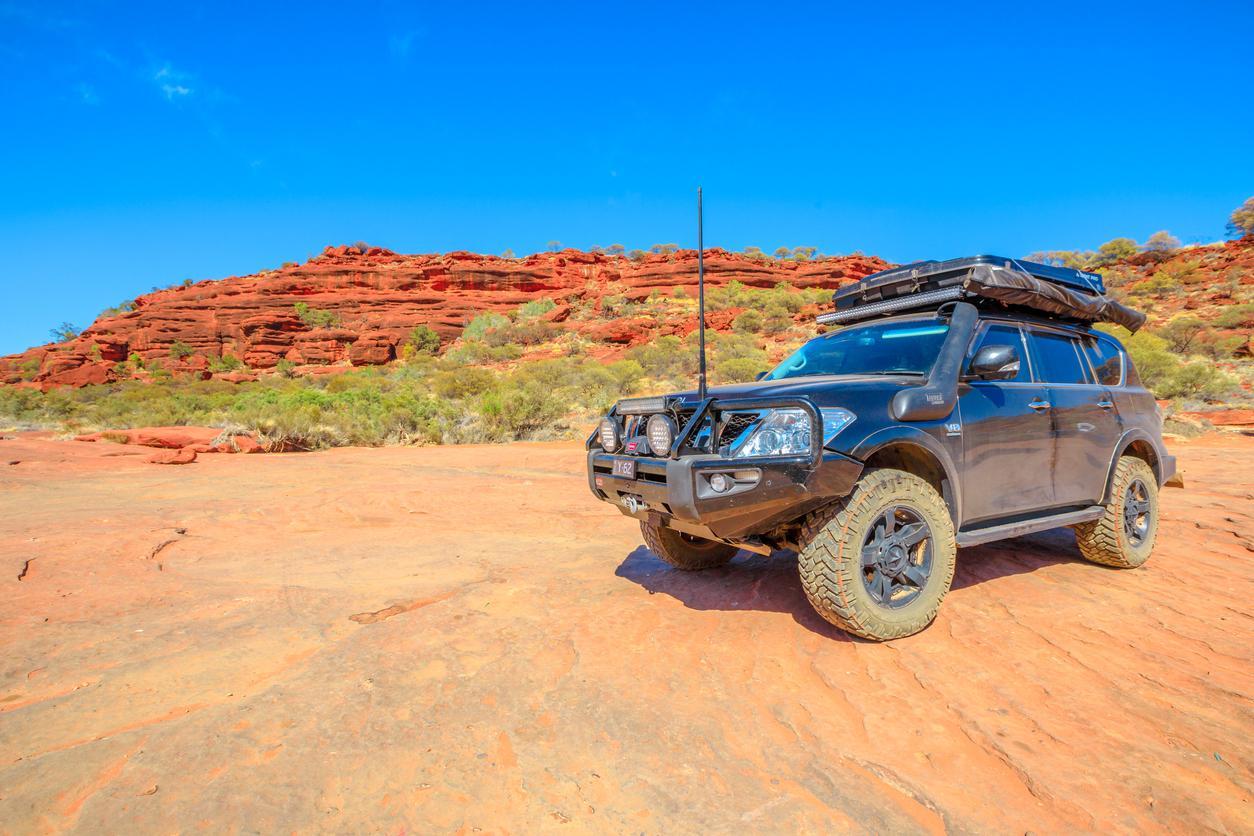
Touring isn’t your average highway cruise—it’s long-range travel across unpredictable terrain, often hours from the nearest assistance or mechanical support. When you’re crossing backroads, rocky trails, or wildlife corridors, your front end cops a beating. This is where a bull bar proves itself not just useful, but essential.
Whether you’re hauling gear through desert tracks or chasing coastline views, the right front end protection is more than a cosmetic upgrade. It’s a calculated investment in durability, safety, and functionality. And if you’re serious about touring, it’s not optional.
| Important: By “right front end protection,” we mean the exact fit for your vehicle’s make and model. So if you drive a Toyota Hilux, that’s a Toyota Hilux bull bar. |
First Line of Defence: Protecting Vital Front End Components
The front of your vehicle houses some of its most vulnerable and expensive parts—radiators, condenser coils, headlights, and even intercoolers on turbocharged rigs. A single animal strike or rogue branch can cause thousands in damage and leave you stranded.
A properly engineered bull bar absorbs and redirects impact forces, shielding the engine bay and keeping your cooling systems intact. It’s about survival, not just for you, but for your vehicle’s essential systems. Touring without that kind of insurance? That’s like camping without a tent.
Mounting Platform for Touring Essentials
Bull bars serve as solid foundations for gear that makes touring easier and safer. These include:
- Winches – Assist with self-recovery in remote areas when centrally mounted.
- Driving lights and light bars – Provide extended visibility on unlit roads or trails.
- UHF antennas – Help maintain long-range comms with your convoy or base.
- Aerial flags – Required for dune driving and other low-visibility zones.
Animal Collisions: A Very Real Touring Hazard
It doesn’t matter if you’re crawling along a track or clicking through cruise control at dusk—wildlife can and will cross your path with zero notice. Hitting a kangaroo at 80 km/h without a bull bar? You’re looking at punctured radiators, blown airbags, or worse.
A well-designed bar absorbs the brunt of the impact and keeps your front end from collapsing. It won’t make you invincible, but it dramatically improves your odds of driving away safely—and that makes it one of the most important safety upgrades on your rig.
Touring Terrain Is Unforgiving on Bodywork
Branches won’t spare your fresh paint job. Neither do shale outcrops or that low-lying fencepost you didn’t see in the bush. Touring means you’re often squeezing between tight tracks, creek beds, or scrub where panel damage is a given.
Bull bars offer critical clearance and shielding from lateral and frontal impacts, reducing the risk of tearing off your bumper or mangling your guards. Some bars come with integrated recovery points or reinforced skid plates for extra underbody protection, especially handy when the terrain turns technical. It’s peace of mind when you’re nowhere near a panel beater.
Integration with Advanced Vehicle Systems
Modern rigs come loaded with electronics, and your bull bar needs to play nice with them. The right unit will:
- Work with airbag sensors so deployment happens exactly when it should—not a second later.
- Allow clearance for ADAS tech, including forward collision warnings, parking sensors, and adaptive cruise control.
- Support modular add-ons, such as bash plates, recovery points, or dual battery setups, without blocking airflow or wiring.
Legal and Insurance Considerations You Shouldn’t Ignore
Fitting just any bull bar isn’t good enough. Touring setups need to be road legal, comply with crash safety standards, and integrate properly with your vehicle’s safety systems. Insurance assessors often inspect whether an aftermarket part is compliant with state regulations and certified for your vehicle model. Non-compliant installations can void claims.
Look for certifications, installation documentation, and model-specific design. Cutting corners on fitment could end up costing significantly more than the bar itself—and when you’re days away from the nearest workshop, you don’t want surprises.
Aesthetic Toughness Meets Real-World Function
Bull bars might look tough, but that rugged build isn’t just for show. The profile of a good bar enhances approach angles, improves airflow, and gives your rig the sort of confidence that matches your mindset when you’re touring. Clean welds, high-tensile steel, corrosion-resistant coatings—they all come together to deliver a product that holds up through sand, mud, dust, and grit.
Bull Bars and Touring: Built for the Long Haul
Touring is more than a weekend hobby—it’s a lifestyle that demands preparation, endurance, and reliability. A bull bar should support your accessories, defend your front end, and integrate with modern safety features while standing up to whatever track you take next.
For anyone serious about long-range touring, bull bars are an absolute necessity. Fit one properly, match it to your touring setup, and it’ll do more than just make your rig look tougher. It’ll keep you moving when it counts.
Write and Win: Participate in Creative writing Contest & International Essay Contest and win fabulous prizes.
About the Author