Indian Tradition
Getty Images – Fly View Productions
Teaching has always been a dynamic profession, but today’s educators face unprecedented changes. With technology transforming classrooms, modern teachers must go beyond mastering traditional skills to embrace new, diverse competencies. It’s not just about being passionate about teaching—it’s about staying ahead in an evolving educational landscape. From navigating digital tools to fostering critical thinking, modern teachers must adapt to provide meaningful learning experiences for their students. Whether you’re a seasoned educator or new to the field, mastering these skills can ensure success in the classroom and beyond. Here are five must-have skills every modern teacher should develop.
- Adaptability
In today’s fast-paced educational environment, adaptability is non-negotiable.
Technology, policies, and student needs constantly evolve, and teachers must be ready to pivot. Being adaptable means embracing change—whether it’s shifting from in-person to virtual learning, integrating new tools like AI-driven platforms, or responding to unexpected challenges in the classroom.
Adaptable teachers inspire resilience in their students by modeling flexibility and problem-solving. It’s about adopting a growth mindset and viewing change as an opportunity to grow rather than an obstacle.
Professional development workshops, peer collaboration, and staying informed about trends in education are great ways to build adaptability. Educators who demonstrate this skill promote a classroom culture that appreciates innovation and creativity, preparing students for an ever-changing world.
- Digital literacy
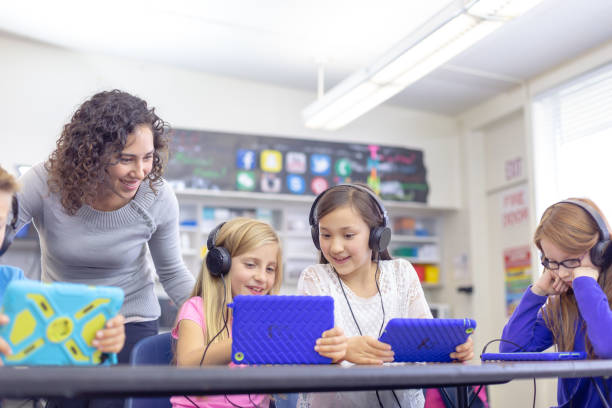
Digital literacy isn’t just a buzzword—it’s a necessity for modern educators. Teachers must be trained to use digital tools for lesson planning, information sharing, and student engagement. Platforms like Google Classroom, Microsoft Teams, and interactive apps can transform how students learn.
However, digital literacy goes beyond knowing how to use technology; it’s about understanding when and why to use it. This includes safeguarding student data, troubleshooting tech issues, and leveraging tools to create inclusive learning environments.
By mastering digital skills, teachers can better connect with tech-savvy students and make learning more accessible and engaging.
Regular training sessions and staying updated on the latest educational technologies ensure teachers’ confidence in this area, enhancing the overall classroom experience.
- Ability to Manage Online Reputation
Managing your online reputation has become crucial for educators in today’s digital age.
With the rise of social media and online communication, teachers must be mindful of their digital footprint, as it reflects their professionalism and values. This involves understanding how personal and professional online personas can influence their relationships with students, parents, and colleagues.
Educators should actively cultivate a positive online presence by sharing valuable resources, engaging in educational discussions, and showcasing their teaching successes. By proactively managing their reputation, educators can build trust within the school community and demonstrate their commitment to maintaining high ethical standards.
This awareness is vital for cultivating a safe, respectful academic background that supports all involved with education.
- Continuous Learning
Great teachers never stop learning. Education is constantly changing, and continuous learning helps educators stay relevant and practical.
Pursuing professional development opportunities, such as certifications or advanced degrees, ensures growth and skill enhancement. For example, online Ed.D programs allow teachers to explore leadership, curriculum design, and advanced teaching strategies while balancing their busy schedules.
These programs allow students to learn at their own pace while acquiring skills that directly impact their teaching practice. Continuous learning also inspires students to adopt a similar mindset, fostering a culture of lifelong curiosity.
Whether attending workshops, reading up on educational trends, or engaging in peer-to-peer learning, committing to personal growth makes teachers more confident and innovative in their roles.
- Critical Thinking
Critical thinking is a cornerstone skill that modern educators must actively encourage in their classrooms.
With abundant information available at students’ fingertips, it’s now more important than ever for them to evaluate, analyze, and synthesize information thoughtfully and effectively. Teachers need to encourage discussions that stimulate questioning, promote problem-solving, and help students develop the ability to think independently.
Teachers can challenge students to engage deeply with their material by including critical thinking in lesson plans and drawing meaningful conclusions from their learning experiences.
Additionally, incorporating real-world scenarios and project-based learning into the curriculum can make lessons more relevant and motivate students to apply their skills outside the classroom.
The role of educators has evolved, and so have the skills required to thrive in the profession. By cultivating adaptability, digital literacy, online reputation management, continuous learning, and critical thinking, teachers can meet the demands of modern classrooms.
By adopting these essential skills, teachers can create engaging learning experiences that prepare their students for success in a dynamic, technology-driven world. Educators who invest in their professional growth and adapt to new challenges play a pivotal role in shaping the future of education for all learners.
Write and Win: Participate in Creative writing Contest & International Essay Contest and win fabulous prizes.
About the Author