Garden Photo : genengnews.com
The Hidden Garden: How Your Gut Microbiome Redefines Food and Health
For centuries, we’ve viewed food through a simple lens: calories in, energy out. We’ve broken it down into proteins, carbs, and fats, and seen our stomach as little more than a passive processing unit. But what if this entire model misses the most fascinating part of the story? Modern science is now revealing a hidden universe within us a complex ecosystem of trillions of bacteria, viruses, and fungi known as the gut microbiome. This isn’t just a new discovery; it’s a revolution that fundamentally redefines the relationship between food and health, shifting our focus from mere nutrition to active cultivation of our inner world.
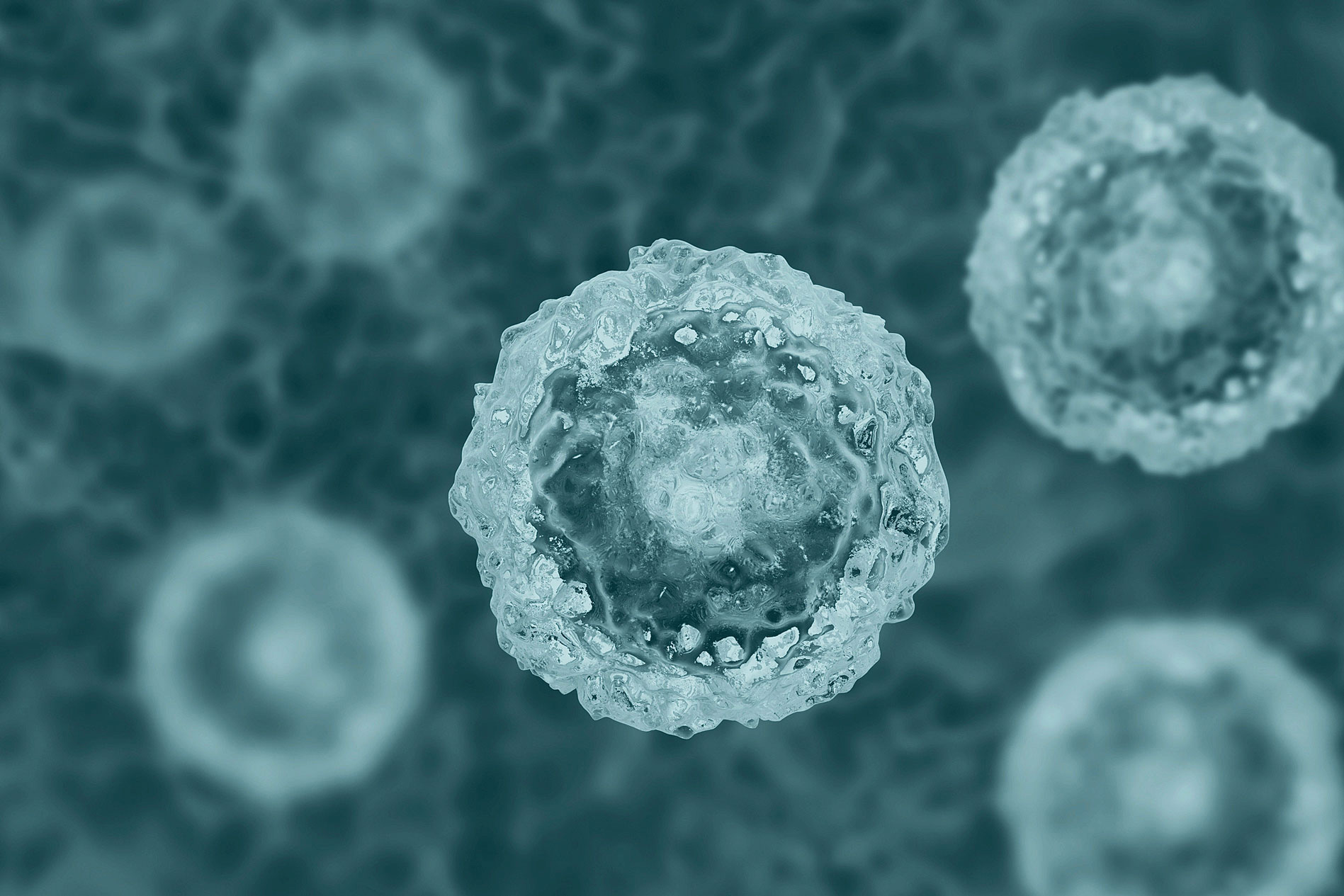
Imagine your gut is a garden. This isn’t just a metaphor; it’s a biological reality. The food we eat doesn’t just feed us; it primarily feeds the billions of microorganisms that call our digestive system home. Every bite is a vote for which species we want to thrive. Processed foods, saturated fats, and refined sugars are like invasive weeds and toxic pesticides. They strip the soil, promote the growth of harmful bacteria, and lead to a state called dysbiosis an imbalance in our inner ecosystem. This imbalance is linked to an astonishing array of issues far beyond indigestion: chronic inflammation, a weakened immune system, anxiety, depression, and conditions like obesity and type 2 diabetes. When our inner garden is sick, we are sick.
So, what does it mean to be a good gardener? It means shifting from a diet of consumption to one of cultivation. The seeds of a healthy microbiome are found in one powerful word: fiber. Dietary fiber, found abundantly in fruits, vegetables, legumes, and whole grains, is indigestible to us. But for our beneficial gut bacteria, it is their primary food source. When these bacteria ferment fiber, they produce short-chain fatty acids like butyrate. This compound is a miracle molecule. It strengthens the gut lining, reducing inflammation and preventing harmful substances from “leaking” into the bloodstream a condition tellingly known as “leaky gut.” It also signals to our immune system, helping it to function calmly and effectively, and even influences brain health.
The most potent tools for cultivating this garden are fermented foods. Yogurt, kefir, kimchi, sauerkraut, and kombucha are not just trendy culinary items; they are live cultures, delivering a direct influx of beneficial probiotics to our gut. Think of them as adding mature, healthy plants directly into your soil. Prebiotics, the fibrous food for these probiotics, are equally important. Garlic, onions, asparagus, bananas, and oats act as fertilizer, ensuring the good bacteria we introduce don’t just visit, but put down roots and multiply. This powerful combination of prebiotics and probiotics is the cornerstone of building a resilient microbiome.
This profound connection forces us to reconsider our entire food system. The obsession with sterile, processed, and long-shelf-life foods has come at the cost of this microbial diversity. The overuse of antibiotics in medicine and agriculture acts like a scorched-earth policy on this delicate internal landscape. The emerging science of the microbiome argues powerfully for a return to whole, organic, and minimally processed foods. It provides a stunning scientific justification for traditional diets and culinary practices from the tangy yogurts of the Balkans to the fiber-rich lentil dishes of India that have sustained human health for millennia.
Conclusion
Ultimately, understanding the gut microbiome transforms the act of eating from a mundane task into a conscious practice of ecological stewardship. We are not just individuals eating a meal; we are vast, walking ecosystems making choices for our inhabitants. The phrase “you are what you eat” needs an update. You are what you feed the trillions of microbes that, in turn, build and protect you.This knowledge empowers us to take control of our health at its most foundational level. By choosing foods that nourish our hidden garden, we aren’t just following a diet; we are tending the very source of our well-being, cultivating a future of vibrant health from the inside out.
By: GEBRAN AHMAD SHAH
Write and Win: Participate in Creative writing Contest & International Essay Contest and win fabulous prizes.
About the Author