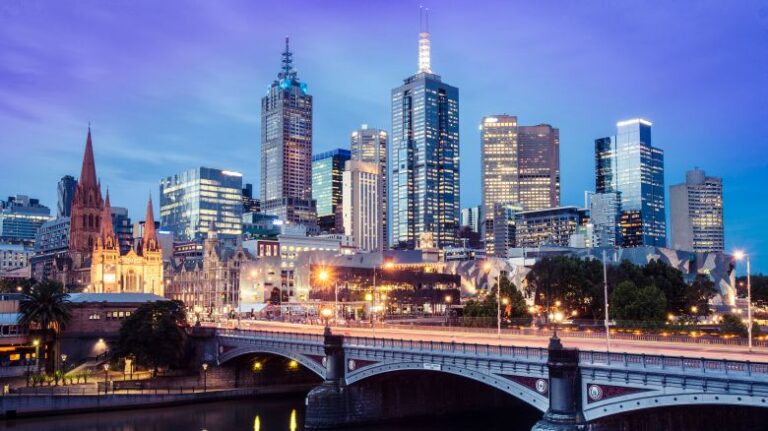
With the rise of social media platforms like Instagram and TikTok, dreamy vacation spots have taken over the internet. Influencers showcase pristine beaches, charming cobblestone streets, and breathtaking mountain views, inspiring millions to follow in their footsteps. But while this surge in popularity may seem like a boost for tourism, it often comes at a cost. Social media-driven travel has led to overtourism, skyrocketing prices, and the erosion of cultural identities. Though influencers have the power to bring global attention to hidden gems, they also have a responsibility to promote sustainable and respectful tourism.
The Power–and Profit– of Influence
Social media influencers wield immense power over travel trends—sometimes without even realizing it. A 2019 survey revealed that nearly half of respondents relied on influencers for travel inspiration, and a staggering 86% chose destinations based on social media content. Among Generation Z, this number increased to 92%. Another study of British adults aged 18-33 found that 40% prioritized how “Instagrammable” a location was when picking a vacation spot. Meanwhile, 43% of Gen Z travelers admitted that the potential for TikTok views and likes played a crucial role in their travel decisions.
There is one main reason for the ambition behind gathering millions of likes and views: the money that influencers receive from posts and likes. Some influencers with a couple thousand followers will receive a few hundred dollars per post, while others with over a million will get over $10,000. Only a meager 13% earn that much per post. Being an influencer requires skill, patience, and sometimes luck. However, this is where travel comes in; by sharing beautiful, breathtaking photos of foreign destinations, it’s easy to instantly claim a few thousand likes and views.
While this trend highlights the growing digital influence on travel and tourism, it also raises concerns about its negative impacts.
The Problem with Overtourism
The influx of visitors to once-hidden locations can have devastating effects. Overtourism—when a destination becomes overwhelmed by tourists—leads to overcrowding, environmental damage, and economic instability for locals. Cities like Venice have suffered from severe pollution due to cruise ships and mass tourism. Though the city welcomes over 20 million visitors annually, only half stay overnight, leading to a decline in hotel revenue while still straining local infrastructure. Over the past 25 years, Venice’s hotel stays have dropped by two-thirds, while its canals have been clogged by massive cruise ships, further endangering the city’s delicate ecosystem.
Similarly, Barcelona has seen fierce backlash from locals. In response to rising prices, cultural degradation, and the replacement of family-owned businesses with tourist-driven enterprises, 2,800 residents marched in protest, with some even spraying tourists with water as a symbolic demonstration.
Likewise, Japan faces countless tourism problems ranging from reckless hikers in Mount Fuji, harassed geisha in Kyoto, and violating cherry blossom trees all over the country. Each of these are iconic symbols of art and culture in Japan, as well as having more traditional and historic meanings. Mount Fuji is considered a sacred mountain, a dwelling place for spirits and deities, and a source of spiritual power. Climbing it is considered a spiritual journey. Geishas symbolize the embodiment of traditional Japanese arts and hospitality, representing elegance and grace, as well as the pursuit of beauty and entertainment. Cherry blossoms represent fleeting beauty and mortality in Japanese culture. This remains a powerful metaphor for the short, but beautiful, process of life. It also brings hope and optimism, as well as a feeling of new beginnings and renewal.
Many tourists visiting Mount Fuji have attempted “bullet climbing” – a name for poorly equipped hikers who head straight to the summit without resting – which increases safety risks and overcrowding. This led to an increase in people needing first aid in an area that was miles away from the nearest hospital.
In Kyoto, many geisha–skilled entertainers trained in the arts, as well as skilled conversationalists and hosts–have been harassed by ignorant, disrespectful tourists. It has gone to the point where Kyoto has banned them from entering certain spots throughout the city. One geisha reported having her expensive kimono ripped by a visitor, while another claimed that hers was burnt by a cigarette.
Tourist destinations are not just scenic backdrops for viral content—they are homes, rich with history and culture. Yet, as social media dictates travel trends, many of these places are being treated as mere background props rather than living communities. No one likes it when their home is destroyed and ignored by millions of people.
A Call for Responsible Travel
Influencers hold an incredible amount of sway over the travel industry. However, with great influence comes great responsibility. By promoting ethical travel practices—such as respecting local cultures, avoiding overexposed destinations, and supporting local businesses—they can encourage a new era of tourism that balances exploration with preservation.
Before visiting a new country, learning basic customs and etiquette is a way to respect local cultures. For instance, in Germany, ‘jaywalking’ (crossing the road while the lights are red) is widely frowned upon. In contrast, jaywalking is far more common in places like the United States (especially in cities like New York), India, China, and Vietnam, where pedestrian traffic laws are more relaxed or less strictly enforced. While norms may vary, respecting local customs fosters goodwill and cultural appreciation.
Avoiding overexposed destinations is another way to lessen the impact of overtourism. Exploring lesser-known locations can help distribute tourism more evenly and protect popular sites from excessive wear.
Supporting small, local businesses over corporate chains is also crucial. Massive chains profit from tourism without benefiting the community, further contributing to the commercialization of these destinations. Instead of getting a cup of coffee from Starbucks, find a local coffee shop– a hidden gem that offers a more authentic experience. By prioritizing smaller enterprises, travelers can ensure that their spending has a positive impact.
Travel should be about more than chasing the next viral post or racking up likes. It is about immersing in the richness of history, culture, and tradition. It is about kisses on the cheek in France, marveling at the mathematical genius of the Pyramids in Egypt, and showing your tongue in Tibet. True travel means exploration and experiencing destinations in a way that preserves their beauty for years to come.
Influencers hold immense influence over people’s travel decisions, more so than travel books or other forms of information. So, influencers should use that power to encourage people to travel responsibly. This will make visitors more accountable for their actions and help reduce the damage done by them. This way, destinations will remain in good condition for generations of visitors to come. Therefore, influencers must use their power over social media-driven travel to promote responsible traveling.
By: Yuna Kim
Write and Win: Participate in Creative writing Contest & International Essay Contest and win fabulous prizes.
About the Author