India’s business travel landscape is changing rapidly, and organisations are no longer approaching travel as just another administrative task. With expanding operations, rising mobility needs and fast-moving teams, companies now expect faster bookings, predictable budgets and safer journeys for employees. As India’s corporate travel footprint grows, organisations are rethinking how to plan, manage and optimise trips in a smarter, more structured way.
By 2025, India’s corporate travel market is projected to grow at nearly 11% year-on-year, driven by expansion into new regions, increased domestic travel and stronger investment across sectors. More companies are formalising travel processes and looking for better visibility over spending, safety and compliance as employee movements become more frequent.
Another interesting shift is seen within India’s managed travel ecosystem. Businesses using integrated dashboards and automated policy mapping report up to 40% reduction in manual reconciliation efforts, especially as GST-linked travel has become easier to track. Platforms like myBiz contribute to this by providing one-stop access to air, hotel and ground travel, with simplified reports and smoother onboarding for growing teams.
In this blog, we explore how organisations can improve their travel systems—examining India’s corporate travel environment, the role of corporate travel companies in India, common challenges in corporate booking, and the technologies and best practices shaping the future of business travel.
Understanding India’s Corporate Travel Environment
Business travel in India continues to expand across industries such as IT, consulting, manufacturing, pharma and BFSI. With companies operating across metros, Tier-2 hubs and emerging business corridors, the scale of movement is broader and more complex than ever. Frequent meetings, project visits and inter-city coordination are creating a constant demand for reliable and structured travel systems.
Regional differences play a significant role in shaping travel patterns. Companies with operations in northern and western India often manage higher flight volumes, while those in southern and eastern regions tend to handle more multi-leg domestic itineraries. India’s dynamic business environment means that organisations require flexible systems that can support this varied travel behaviour.
Corporate Travel Trends in India
Tier-2 and Tier-3 cities are contributing significantly to business travel growth as companies expand into newer markets.
Domestic travel still forms the largest share of corporate movements, though international trips are steadily rising. “Bleisure” travel—where travellers combine business and leisure—is also seeing steady adoption, especially among younger professionals.
Digital payments and GST-linked travel expenses have further streamlined compliance and reporting for finance teams.
The Role of Corporate Travel Companies in India
As companies scale, managing multi-city and high-volume travel internally becomes difficult. This is where corporate travel companies in India support organisations by handling end-to-end travel coordination. They assist with itinerary planning, ensure bookings align with company policies and offer immediate help during disruptions.
They bring value through industry expertise, negotiated fares, reliable coordination and crisis support when unexpected situations arise. Whether it’s a last-minute cancellation, a visa complication or a sudden travel disruption, businesses benefit from having professional support available round the clock.
Common Challenges in Corporate Booking
Despite growth in managed travel, many organisations still struggle with fragmented suppliers and inconsistent pricing. Different departments booking through different channels often leads to budget leakages and limited control over travel quality.
Approval delays and lack of visibility make real-time decision-making difficult. Without a centralised system, finance teams face challenges in tracking expenses, understanding patterns or analysing policy adherence. These gaps ultimately increase costs and reduce compliance.
How Businesses can Improve their Corporate Booking Process?
Streamlining travel policies is one of the strongest steps towards better efficiency. Clear rules around preferred fare types, hotel categories, route guidelines and travel justification can significantly reduce uncertainty for employees.
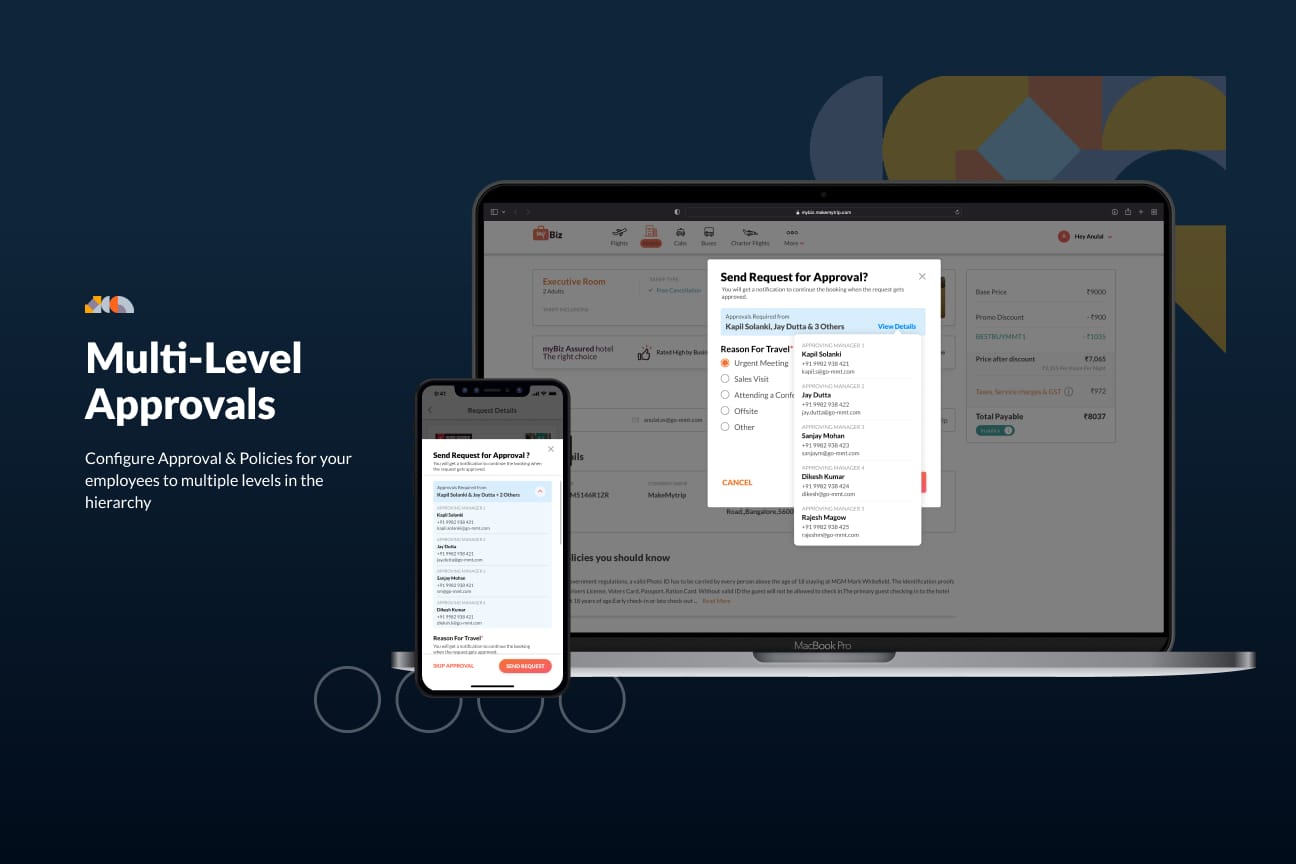
Accurate approval workflows ensure decisions are made quickly, preventing delays and unnecessary escalations. Transparent, digitised workflows help both travellers and managers stay aligned.
Centralising travel channels is equally important. When all bookings flow through a single platform, companies gain visibility, better negotiation power and easier reconciliation. Platforms like myBiz make this process seamless by offering integrated booking options and consolidated reporting.
Technology Enabling Better Corporate Travel Experiences
Digital booking tools have transformed how Indian companies manage their travel. They offer faster access to options, simplified itineraries and policies embedded directly into the booking flow. Employees can book within minutes while staying compliant.
Real-time insights help travel managers understand spending trends, track active travellers and evaluate policy adherence instantly. Mobile access enables employees to receive updates, download travel documents and manage bookings effortlessly from anywhere.
Evaluating the Right Corporate Travel Partner in India
When choosing a travel partner, organisations must assess network strength, service quality, cost-control capabilities and unique benefits offered across all levels—employees, admins, senior leaders and CXOs.
A strong travel partner provides safe, reliable support, understands local regulations and brings deep experience in domestic and international business travel. Their expertise helps organisations maintain consistency while ensuring positive traveller experiences.
Best Practices for Indian Organisations Managing Frequent Business Travel
Duty of care remains a top priority. Companies need systems that ensure traveller safety, provide real-time alerts and allow quick communication during emergencies.
Cost optimisation strategies—such as preferred fares, advance planning and policy-driven bookings—help maintain budgets without compromising comfort.
Post-trip reporting plays a vital role in future planning. Analysing trends helps companies refine their travel policies and negotiate better agreements over time.
In Conclusion
Indian businesses are entering a new era of structured and technologically supported travel management. By refining corporate booking practices and partnering with reliable travel experts, organisations can travel smarter, control costs and create safer, more efficient experiences for their teams. For a more streamlined approach, platforms like myBiz offer integrated solutions that help businesses stay ahead while keeping their travel programmes agile and modern.
Write and Win: Participate in Creative writing Contest & International Essay Contest and win fabulous prizes.
About the Author