From ancient times Indians have worshipped food as Annapurna the goddess who nourishes life. A meal in an Indian home food is not only about filling the stomach but also about love care and tradition. Think of a grandmother making millet rotis on a clay stove or a family enjoying a festive thali together.
Every bite carries memories emotions and the hard work of farmers who grow our food. Today when the world faces problems like climate change lifestyle diseases and food safety issues India is slowly turning back to its old wisdom. Natural farming seasonal eating and respect for nature are being valued again. It reminds us that the real gift of Annapurna is not just food on our plates but good health and harmony with nature.
Old Practices of Food and Farming
Before modern chemicals and pesticides became common Indian farmers used natural methods to protect the soil. Compost neem leaves cow dung and crop rotation were part of everyday farming. These practices gave good harvests and also kept the land fertile for future generations. Our grandparents often tell us how strong they felt after eating simple meals of rice dal vegetables and homemade pickles. The food was plain but full of nourishment.
Seasonal eating was also part of daily life. People ate cooling foods like curd and cucumber during the hot months while in winter they enjoyed sesame jaggery and ghee for warmth. Festivals also matched the seasons for example til laddoos in Makar Sankranti during winter mangoes in summer and light khichdi in the rainy season. These traditions were like nature’s own health plan keeping the body fit.
Ayurveda the ancient medical science of India taught that food is itself medicine. Turmeric healed wounds ginger helped digestion garlic kept the heart healthy and tulsi boosted immunity. Kitchens were like small pharmacies showing that food was meant for complete well being not only for taste.
Food and Health Connection
When we compare old times with today the link between diet and health becomes very clear. Earlier people ate home cooked food made from fresh ingredients. Millets such as bajra jowar and ragi were part of the regular diet and provided minerals and fibre. Herbs and spices made the food tasty while also protecting health.
Now fast food and packaged snacks have taken over. Burgers pizzas chips and sugary drinks are everywhere. They may be quick and tasty but they are high in calories and low in nutrition. This has led to obesity diabetes heart problems and even stress.
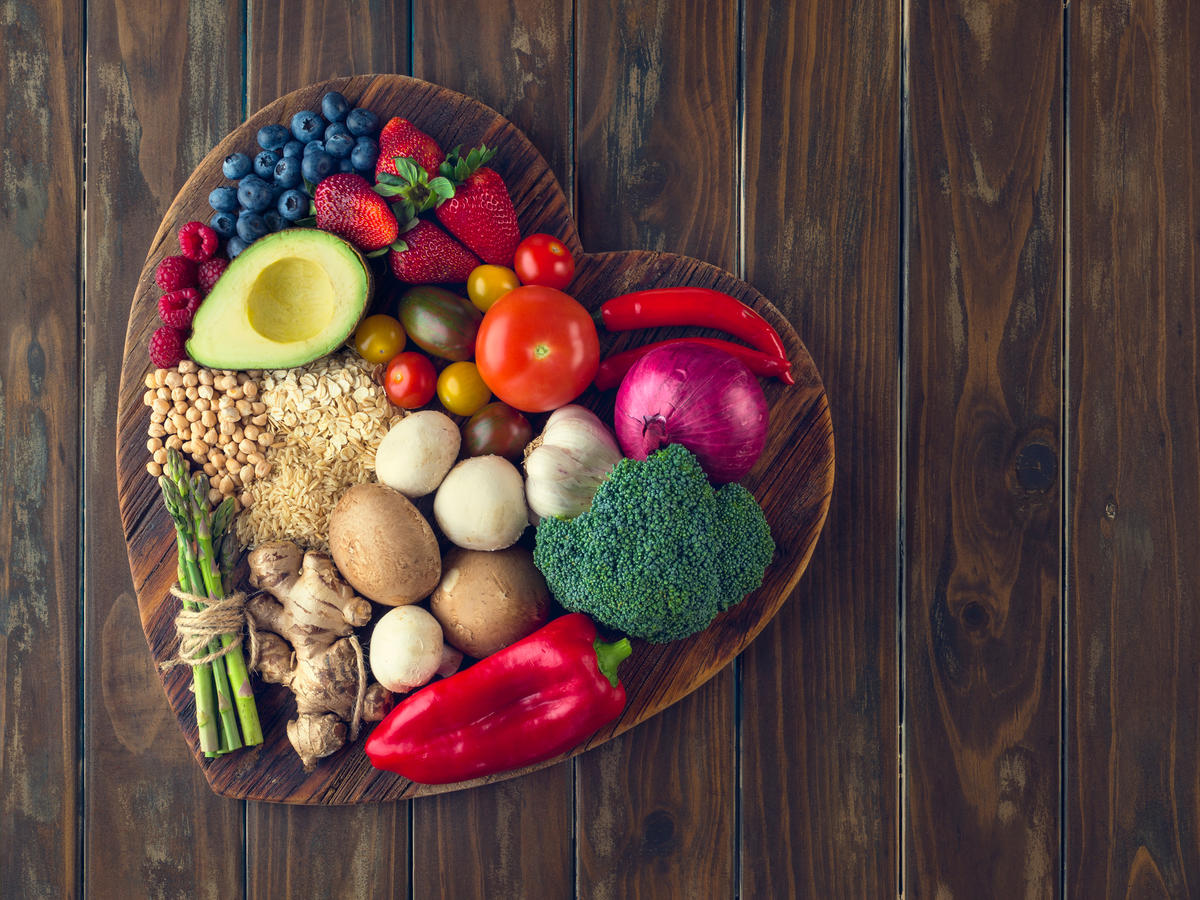
In truth a traditional Indian thali of rice dal sabzi roti curd and fruit is close to a perfect balanced meal. It provides energy vitamins minerals strength and healthy fats in the right proportion long before modern nutrition science spoke about balance.
Modern Challenges
Farmers today face new pressures. To grow more food quickly they rely on chemical fertilizers and pesticides. While production rises the soil loses its health and harmful chemicals enter the food we eat. Climate change with irregular rainfall and frequent droughts makes farming even harder.
In cities busy lifestyles push families toward processed food. Children prefer chips or fizzy drinks instead of milk and fruits. Advertisements make junk food look attractive and many people are unaware of the slow harm it causes over time.
Signs of Hope
Change is already happening around us. Farmers in many regions are moving back to natural farming instead of depending only on chemicals. Old grains such as ragi and jowar are being rediscovered as healthy foods that also suit the climate. The importance of these crops was recognised worldwide when 2023 was marked as a special year for millets and India took the lead in spreading that message.
In cities people are slowly shifting their habits too. Families are trying to buy vegetables and fruits from local markets instead of relying on packaged food. Fitness clubs doctors and even online campaigns encourage eating home cooked meals. Ancient Indian traditions like yoga and Ayurveda are also respected more than before across the world because they remind us that food and lifestyle are both part of good health.
At home even small habits can change a lot. Replacing sweets with fruit drinking water instead of soda adding more vegetables to cooking or simply finishing what is served on the plate all help the body and show respect for the farmer’s hard work.
Conclusion
In India food is more than survival it is culture tradition and respect. Eating mindfully helps us stay healthy while honoring nature and farmers. At a time of rising diseases and environmental stress following seasonal diets and natural farming can lead to balance and well being. The blessing of Annapurna is not just food but true nourishment for life.
By: Nikita Rashtrapal Damodar
Write and Win: Participate in Creative writing Contest & International Essay Contest and win fabulous prizes.
About the Author