An Ethiopian Youth’s Voice for a Greener Future
My hometown, Hossana, Ethiopia, is a place I deeply love. But lately, it feels like the land itself is crying out. The growing environmental challenges are not just statistics; they’re affecting the lives of my family, my friends, and my community. Health, education, agriculture, and community development are all threatened by clean water shortages and the relentless tide of plastic pollution. Despite these hardships, I feel a deep sense of hope and responsibility. I believe that youth like me have the passion, energy, and creativity to drive solutions, protect our environment, and secure a sustainable future.
Plastic Pollution: A Visible Threat
One of the most heartbreaking sights in my community is the sheer volume of plastic waste. Walking through the streets of Hossana, once vibrant and clean, or visiting the Awata River, now struggling to breathe under a blanket of discarded plastic, it’s hard to ignore the problem. Bags, bottles, wrappers – carelessly tossed aside, choking waterways, harming animals, and poisoning our soil. Single-use plastics have become a convenient but destructive part of daily life. Their negative impact is especially cruel in rural areas, where waste management systems are often limited or nonexistent.
My eyes were truly opened to the extent of this problem during my time tutoring girls in my school. One day, little Tigist, a bright-eyed student with dreams of becoming a doctor, showed me her lunch wrapped in a plastic bag. When I explained how it could harm the environment, her face fell. She confessed that her family relied on plastic bags because they were cheap and readily available. That moment sparked something in me. I realized that many of my peers did not fully understand the long-term consequences of plastic waste.
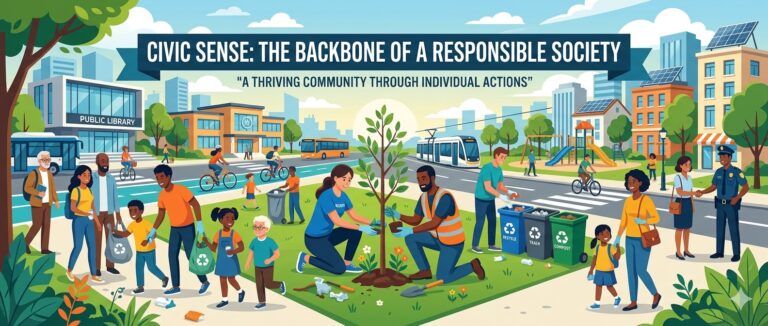
I felt a burning need to make a difference. So, I took action, organizing awareness sessions focused on educating students about the dangers of plastic pollution and the importance of reducing plastic use. I encouraged my fellow students to bring reusable bags and water bottles to school, sharing stories of children in other parts of the world who were making a difference. We launched a clean-up drive, and seeing the faces of my friends as they hauled bags of plastic from the school grounds and nearby neighborhoods – faces filled with determination and a newfound understanding – was incredibly moving. Together, we planted trees around the school, a tangible symbol of our commitment to change. I still remember the feel of the soil in my hands, the shared laughter, and the collective hope that we were doing something meaningful.
What started as a small initiative grew into a student-led movement aimed at making our school a model of sustainability. We established “Plastic-Free Fridays,” a day when everyone tries to avoid using plastic products entirely. At first, many students grumbled, finding it inconvenient. But then, little by little, I saw the change. Students started bringing homemade lunches in reusable containers, and teachers encouraged the use of traditional leaf wrappers instead of plastic bags. The change was gradual, but the enthusiasm of my peers showed me that even small actions, when multiplied, can create ripple effects. The experience taught me that youth leadership combined with education can inspire communities to adopt more sustainable habits.
Water Scarcity: A Life-Threatening Challenge
Another environmental crisis that deeply affects my community is water scarcity. Ethiopia’s climate is changing rapidly, with droughts becoming more frequent and severe. I remember the fear in my grandmother’s eyes as she recounted stories of past droughts when families were forced to abandon their homes in search of water. For families in Hossana and the surrounding rural areas, access to clean water is not a guarantee. Wells dry up, rivers shrink, and the land suffers from degradation. This scarcity threatens not only health but also agriculture, which many families rely on for food and income.
Water scarcity affects young girls disproportionately. I’ve witnessed firsthand the struggles of my younger sister, Aster, who, on some days, spends hours walking miles to fetch water for our family. This task takes away precious time from her education and exposes her to dangers. Seeing the exhaustion etched on her face after these arduous journeys inspired me to explore how youth can be part of the solution. It’s not just a statistic to me; it’s my sister’s life, and the lives of countless other girls like her.
My peers and I began learning about simple water conservation techniques that can be implemented locally. Rainwater harvesting – collecting and storing rainwater from rooftops – is one method we promoted. We worked with elders, listening to their traditional knowledge of water management, to identify and protect local springs, ensuring they are not polluted by waste or overuse. Through workshops and community meetings, we emphasized the importance of preserving water sources for future generations. I recall one particular meeting where an elderly farmer, with tears in his eyes, shared how the shrinking river had impacted his crops. It was a stark reminder that our efforts had real-world consequences.
We also encouraged water-saving habits at school and at home: turning off taps while brushing teeth, fixing leaks, and using water-efficient irrigation methods in school gardens. Even my mischievous younger brother, who used to leave the tap running, started to understand the value of water. By combining traditional knowledge with new ideas, youth in my community are taking ownership of water management.
Technology and Social Media: Tools for Youth Empowerment
In today’s interconnected world, technology offers powerful tools for young people to engage in environmental action. I have seen how social media platforms like Facebook, WhatsApp, and TikTok can spread awareness rapidly and mobilize youth for environmental causes. Through online groups, I connected with environmental activists across Ethiopia and Africa, learning about sustainable farming, waste management, and climate advocacy. I even joined a virtual workshop led by a young woman from Kenya who shared her experiences in combating deforestation.
Using digital platforms, I created posts and videos to educate my peers about plastic pollution and water conservation, sharing tips and inspiring stories from around the world. I remember one video that went viral, showing a local animal struggling to free itself from a plastic bag. The video sparked a wave of awareness and prompted many of my peers to rethink their use of single-use plastics. These platforms also help connect youth with experts and organizations that support green initiatives.
Digital literacy is crucial. It empowers youth to participate in global conversations, access educational resources, and innovate solutions suited to their communities. I believe expanding digital access in rural Ethiopia will be key to unlocking youth potential in environmental stewardship. Imagine the possibilities if every young person in my community had access to the information and tools they need to make a difference.
Faith and Stewardship: A Guiding Principle
My commitment to environmental care is deeply rooted in my faith. I believe that the earth is a gift entrusted to us by God, and it is our sacred responsibility to protect and nurture it. This belief inspires me to act with integrity, humility, and persistence. Stewardship is not just a duty but a privilege. During our church services, our pastor often reminds us that we are all caretakers of God’s creation, and that neglecting the environment is a sin.
Faith communities can play an important role in promoting environmental values. Many young people in Ethiopia are connected to churches or mosques, and faith leaders can encourage sustainable practices as part of spiritual life. Integrating environmental education with moral teaching can deepen the impact of youth-led initiatives.
Youth as Present and Future Leaders
Too often, youth are seen only as the future—waiting for their turn to lead. But I believe that young people are present leaders. We are already making a difference in our schools, communities, and countries. Our fresh perspectives, courage, and innovative ideas are needed to tackle the complex environmental challenges facing our world.
Youth-led movements for environmental justice are growing globally, from climate strikes to tree-planting campaigns. In Ethiopia, despite limited resources, youth are organizing clean-ups, advocating for policy changes, and educating peers. The challenge is to support and amplify these voices, ensuring young people have access to education, technology, and platforms to lead. I often dream of a future where young people in Ethiopia are recognized and supported as key drivers of environmental sustainability.
Conclusion: Nurturing a Greener Tomorrow
Environmental problems like plastic pollution and water scarcity are daunting, but they are not insurmountable. As youth, we have a unique role to play in raising awareness, mobilizing action, and innovating solutions. By educating ourselves and others, leading community initiatives, embracing technology, and acting with faith and purpose, we can protect our environment for generations to come.
The journey ahead will require patience and collaboration. Change will not happen overnight. But with every plastic bag avoided, every tree planted, every liter of water saved, youth are planting seeds of hope. Together, young people in Ethiopia and around the world can nurture a greener, healthier, and more sustainable tomorrow. It won’t be easy, but thinking of Tigist’s dreams and Aster’s sacrifices keeps me going. And I know, deep in my heart, that we can make a difference, one small step at a time.
By: Eden Mesfin
Write and Win: Participate in Creative writing Contest & International Essay Contest and win fabulous prizes.
About the Author