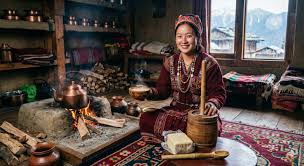
High in the Himalayas of Nepal, where mornings start with frost-tipped prayer flags, and evenings end with the cozy sipping of butter tea, a warm cup of butter tea is not a drink; it is a lifestyle. Locally referred to as “po cha”, this traditional beverage owes its highly soothing aroma and taste to a key ingredient: yak ghee. Tasting butter tea prepared with genuine yak ghee can be a close experience of the mountain culture, strength, and warmth for trekkers who pass by the Langtang area.
Butter tea is not new; it’s not invented to serve tourists. Himalayans have been using it for centuries, particularly in high-altitude areas such as Langtang, where energy, comfort, and nourishment are valued more than elegance. Instead of regular butter or oil, the tea is prepared with yak ghee, which gives it a distinctive aroma and nourishing qualities.
Butter Tea Culture Along the Langtang Valley Trek
Anyone on the Langtang Valley Trek or any other treks in the Himalayas will immediately realize the frequency with which butter tea is offered in the teahouses and family kitchens. The trekkers, after hours of walking through pine forests, glacier valleys, and stone-built villages, are usually greeted with a steaming wooden cup of this savory tea. Nowhere does it make its first-time visitors guess, but at least the logic of butter tea is evident with only a few sips.
Yak ghee is central to this experience. Their milk, and the ghee out of it, smells of high-altitude alpine herbs, alpine grasses and mosses, which imbues the milk of the yaks with a richer and earthier flavor than cow butter. Churned into a black tea with salt, the end product is a drink that seems very warm, earthy, and strangely invigorating.
Trekking agencies such as Himalayan Masters, which focus on exploring local communities, often encourage trekkers to sample traditional local foods and beverages, such as butter tea, rather than sticking to the same menus. This little cultural interaction usually turns out to be one of the most outstanding moments of the trip.
Why Yak Ghee Makes Butter Tea More Aromatic
The unmistakable scent of the Himalayan butter tea comes down to the quality and source of the fat used. Yak ghee is very different from regular butter or commercial oils.
Key reasons yak ghee enhances butter tea:
- High-altitude diet of yaks: Wild herbs and grasses contribute complex, natural aromas
- Traditional slow churning: Ghee is often made by hand, preserving flavor
- Higher fat density: Creates a richer mouthfeel and lingering warmth
- Natural smokiness: Often influenced by wood-fired kitchens and storage methods
Unlike sweetened teas, butter tea is savory and slightly salty. The yak ghee moves the scent of the tea up into the air with the steam, filling the room with a comforting scent that instantly signals rest and nourishment.
Butter Tea in Teahouses: A Trekker’s Perspective
Butter tea is normally made fresh in teahouses along the Langtang trail using simple tools. Tea leaves are boiled over a long period of time with salt and yak ghee added occasionally in a traditional wooden churn. The tea is then served in thick cups that retain heat, ideal during cold mountain nights.
Here’s simple comparison trekkers often notice:
| Aspect | Butter Tea with Yak Ghee | Regular Milk Tea |
| Aroma | Earthy, rich, warming | Sweet, mild |
| Purpose | Energy & warmth | Refreshment |
| Cultural value | Deeply traditional | Modern adaptation |
| Ideal setting | High altitude, cold climate | Any climate |
For locals, butter tea is consumed multiple times a day. Even a single cup can be surprisingly filling, helping trekkers reduce hunger and fight altitude-related fatigue.
More Than Taste: A Symbol of Mountain Life
Butter tea is a sign of respect and welcome on trek routes. Families offer it to visitors, monks drink it during long prayer sessions, and porters rely on it when they have strenuous days up the trail. The smell of yak ghee butter tea cannot be separated from the rhythm of life in the Himalayas.
The Yak Ghee Butter Tea is not only enjoyable but also practical as you hike up the mountain. Fat helps the body to retain heat, and salt supports hydration, both of which are vital at high altitudes. This is the reason why butter tea has been around since time immemorial, long before packaged energy foods existed.
Final Thoughts
When one wishes to be acquainted with the Himalayas, one must not only see the landscapes, but also step into the daily customs. Butter tea made with yak ghee is a perfect example, simple, aromatic, and deeply connected to place. As one hikes up and down the Langtang trails, a cup of this tea not only provides warmth but also introduces trekkers to the lifestyles of mountain communities and how they live in one of the world’s most challenging environments.
For trekkers who are selective about their adventures, such experiences are what make a trek memorable.
Write and Win: Participate in Creative writing Contest & International Essay Contest and win fabulous prizes.
About the Author