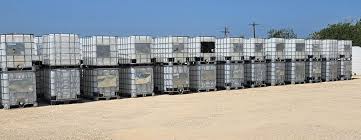
Choosing the right intermediate bulk container starts with the fluid you need to store, move or contain. Fertilisers, chemicals, mining reagents, winery inputs, brewing ingredients and food-grade liquids all place different demands on IBCs, from chemical resistance and load capacity to hygiene, venting and spill control, so your choice should be based on more than capacity alone.
Match the IBC Material to the Fluid
Start by checking whether the fluid is compatible with the IBC material. Many liquids can be stored in HDPE IBCs, but some products may require stainless steel because they are corrosive, reactive, temperature-sensitive or hygiene-sensitive.
Acids, alkalis, solvents, fertilisers, food-grade liquids and brewing inputs can all behave differently when they come into contact with plastic, steel, seals, gaskets, taps and valves. You need to assess the whole container system, not only the bottle or tank body.
Suppliers such as Tank Management Australia tank supply and storage equipment can be relevant when you need to compare IBCs, bunds and tank accessories against the fluid’s actual handling requirements. The goal is to choose an IBC that suits the liquid, not just one that fits the volume you need.
Check Fluid Density Against IBC Load Capacity
An IBC’s litre capacity does not always show whether it can safely hold your product. Water is often used as a baseline, but many industrial fluids are heavier. A 1,000-litre IBC filled with dense liquid fertiliser, syrup, chemical product or mining reagent may place much more strain on the frame, pallet base and handling points than the same IBC filled with water.
Check the fluid’s specific gravity against the IBC’s approved load rating, especially if the IBC will be moved by forklift, transported or stacked. Ignoring density can lead to bulging, frame stress, unsafe handling or early container failure.
Consider Temperature and Site Conditions
Temperature can affect both the liquid and the IBC. Some fluids are stored warm after processing, while others may expand, thicken, crystallise or become harder to pump as site conditions change.
Plastic IBCs may soften, deform or lose performance if exposed to heat beyond their rating. Stainless steel IBCs may be more suitable for higher-temperature applications, repeated washdowns or demanding processing environments.
You should also consider where the IBC will be stored. Outdoor exposure, direct sun, temperature swings and hot filling can all affect performance. Expansion space, closure design and venting should be reviewed before you use an IBC for fluids that change behaviour with temperature.
Review Venting, Vapour and Pressure Risks
Some fluids release vapours, gases or odours while stored. Others expand or contract as temperatures change. If an IBC is sealed without the right venting arrangement, pressure or vacuum issues can develop during filling, dispensing, transport or storage.
For chemical products, guidance such as Managing risks of hazardous chemicals in the workplace reinforces why vapours, storage conditions and chemical behaviour should be considered before choosing the venting setup. Review venting needs alongside the fluid’s vapour pressure, volatility and handling method, as some products may require compatible caps, controlled vents or closed transfer systems.
The right venting setup helps prevent pressure build-up, vacuum damage, container distortion and avoidable spills. It can also support safer handling where vapours or odours need to be controlled.
Plan Bunding Around the Fluid Risk
Choosing an IBC should also involve secondary containment. A leak from one fluid may only create a clean-up issue, while another may create environmental, safety or product-loss risks. Fertilisers, fuels, corrosive chemicals, mining reagents and food-grade liquids all need different levels of control.
IBC bunds should be selected according to the container volume, fluid hazard level and storage location. Chemical compatibility matters here, too, because the bund must withstand the liquid it may need to contain.
For higher-risk fluids, bunding should be treated as part of the IBC setup rather than an optional extra. A well-matched bund can reduce spill spread, protect nearby work areas and support safer storage.
Better IBC Choices Start With the Fluid
The safest and most practical IBC is the one chosen around the fluid’s real behaviour. Material compatibility, density, temperature, hygiene, venting and spill risk all affect whether the container will perform reliably in daily use.
Before you buy or deploy an IBC, look beyond litre capacity. Check what the liquid is made of, how heavy it is, how it behaves during storage and transfer, and what could happen if it leaks. That early assessment helps you choose an IBC system that suits your site, protects your product and reduces avoidable handling problems.
Write and Win: Participate in Creative writing Contest & International Essay Contest and win fabulous prizes.
About the Author